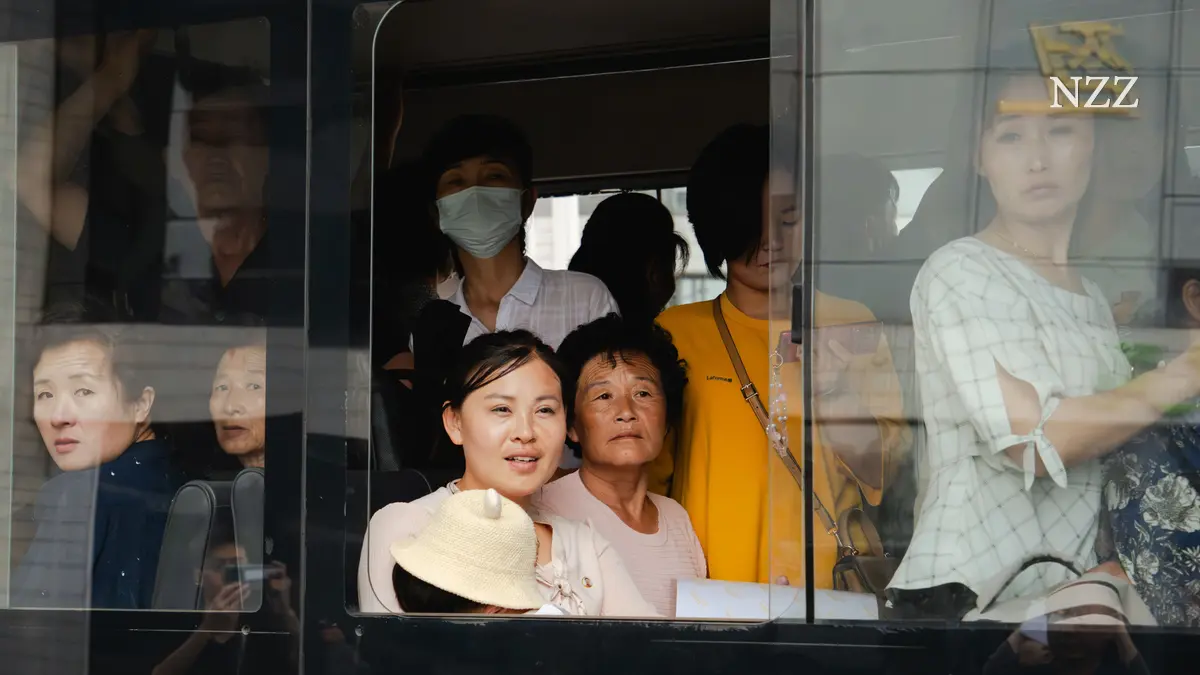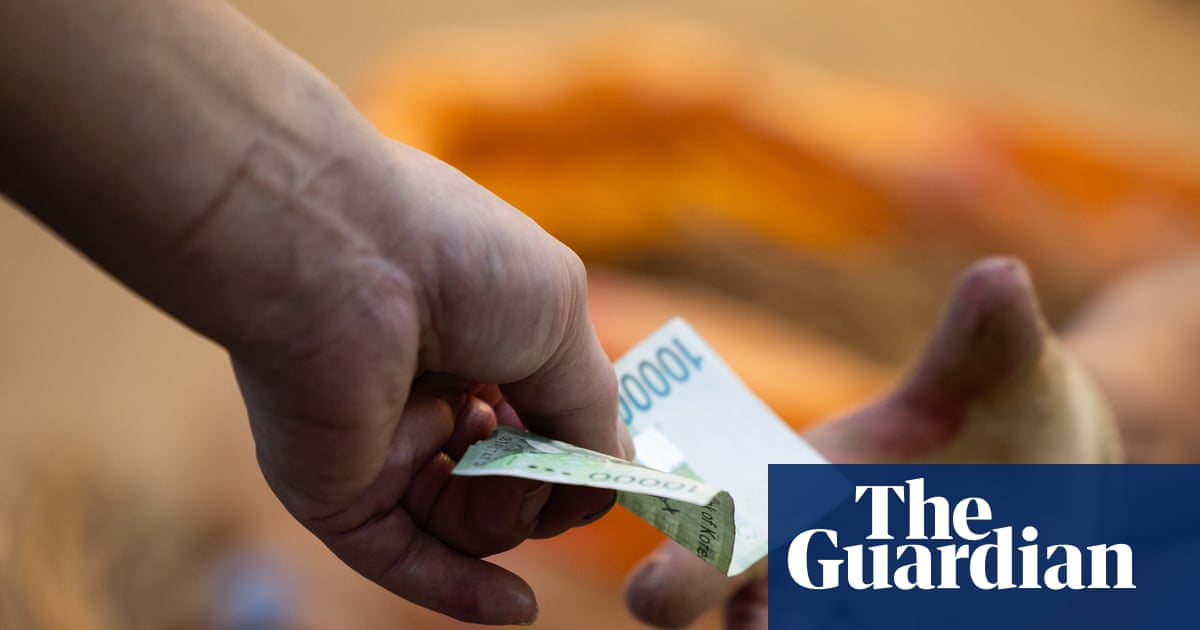
The clandestine networks were almost decimated by Covid border closures and are now under threat from a crackdown in South Korea
W
hen Park Seung-hwan* has a moment to himself, he opens Google Earth and searches for his family home. The 30-year-old has been able to check that the roof was repaired and that crops are growing – tangible proof that the money he sent home had reached his family safely.
“Sending money was the simplest way for me to feel connected to my family,” Park says, adding that he worries that without it, his brother might be drafted and sent to fight in Russia because his family will not have enough to pay bribes so as to be exempt.
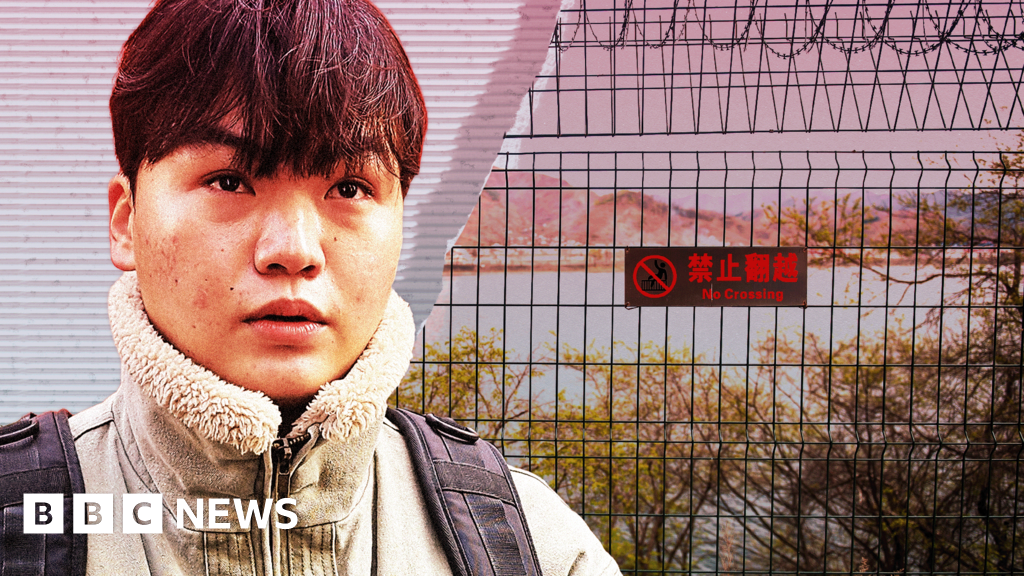
Park fled North Korea in 2012 and now lives in Seoul, and the remittances he sent travelled one of the world’s most dangerous financial routes, relying on a clandestine network that was almost decimated by Covid border closures. But amid an unprecedented crackdown in South Korea and the wider threat of scams, Park has been unable to send his family money for two years.