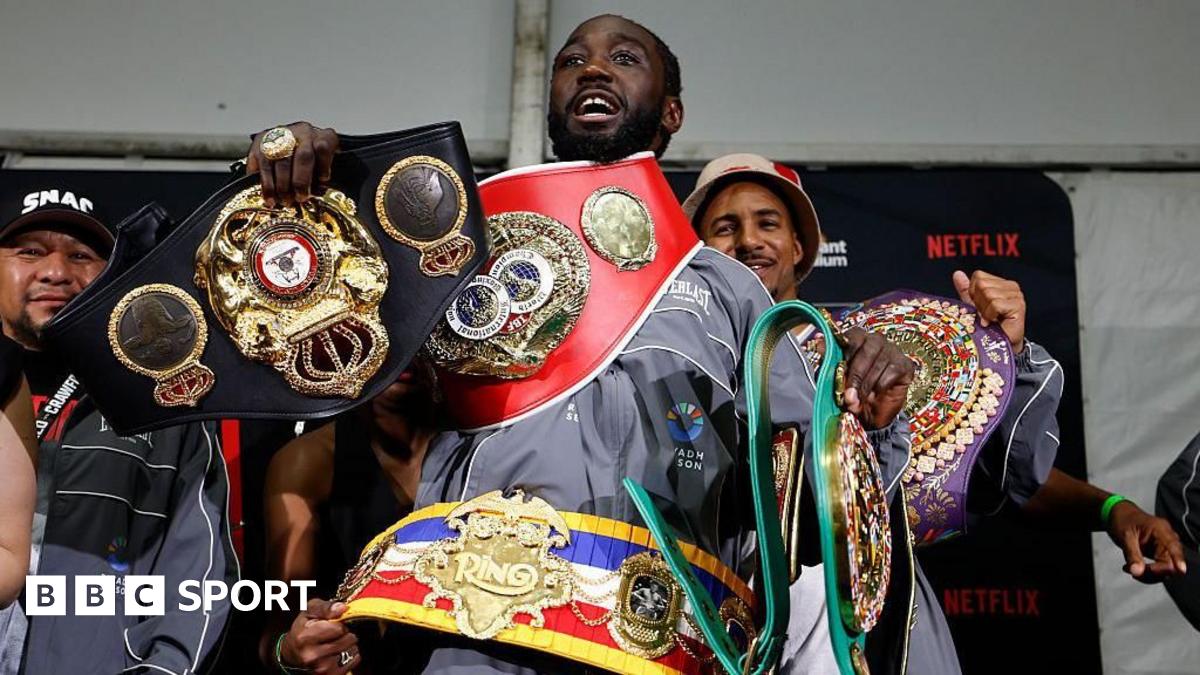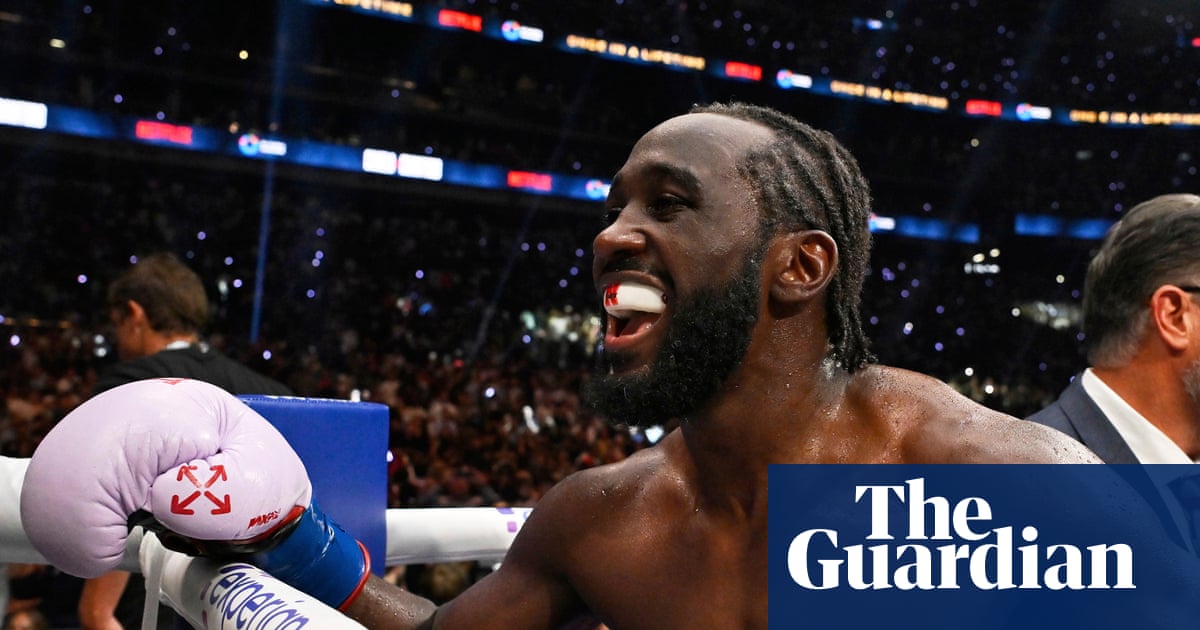
After years of operating on the margins of mainstream stardom, the boy from Omaha who survived a bullet to the head could no longer be ignored
W
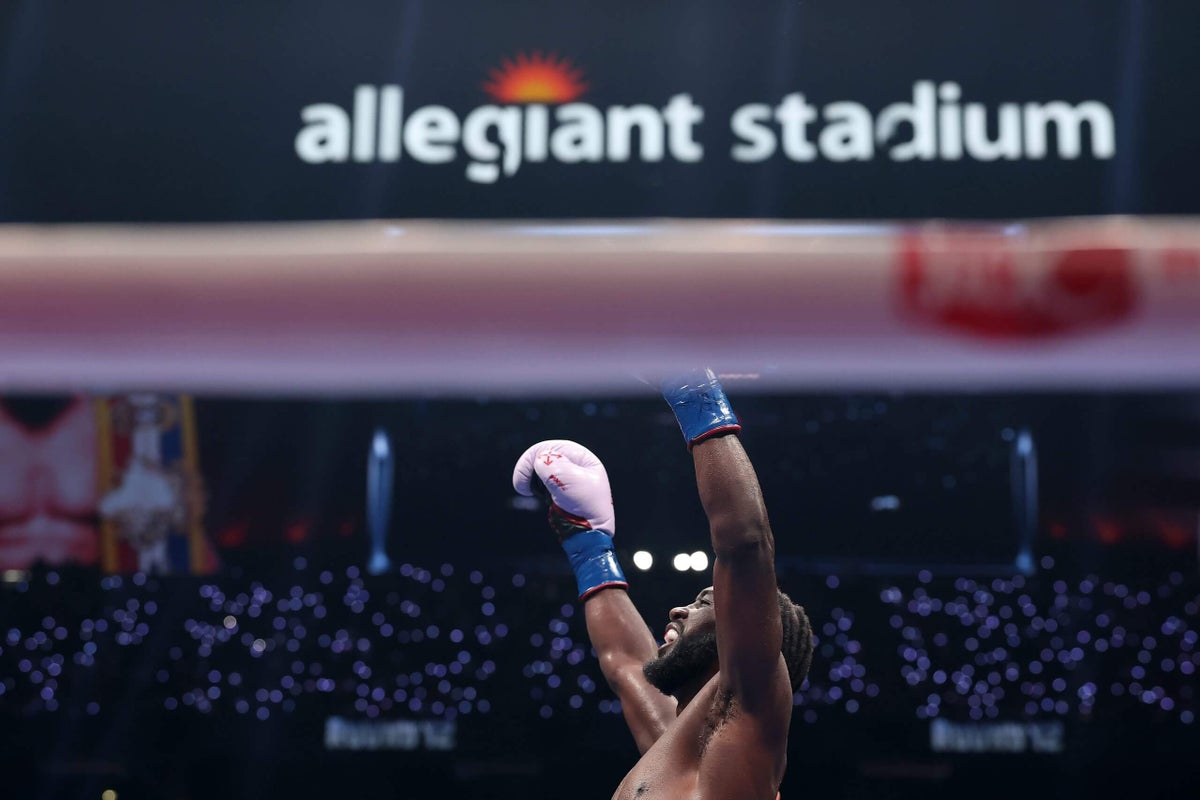
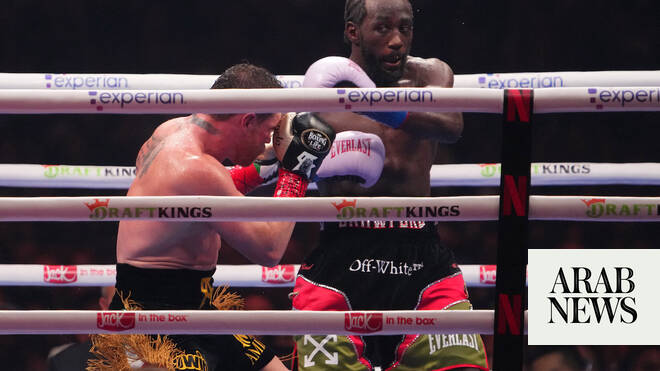
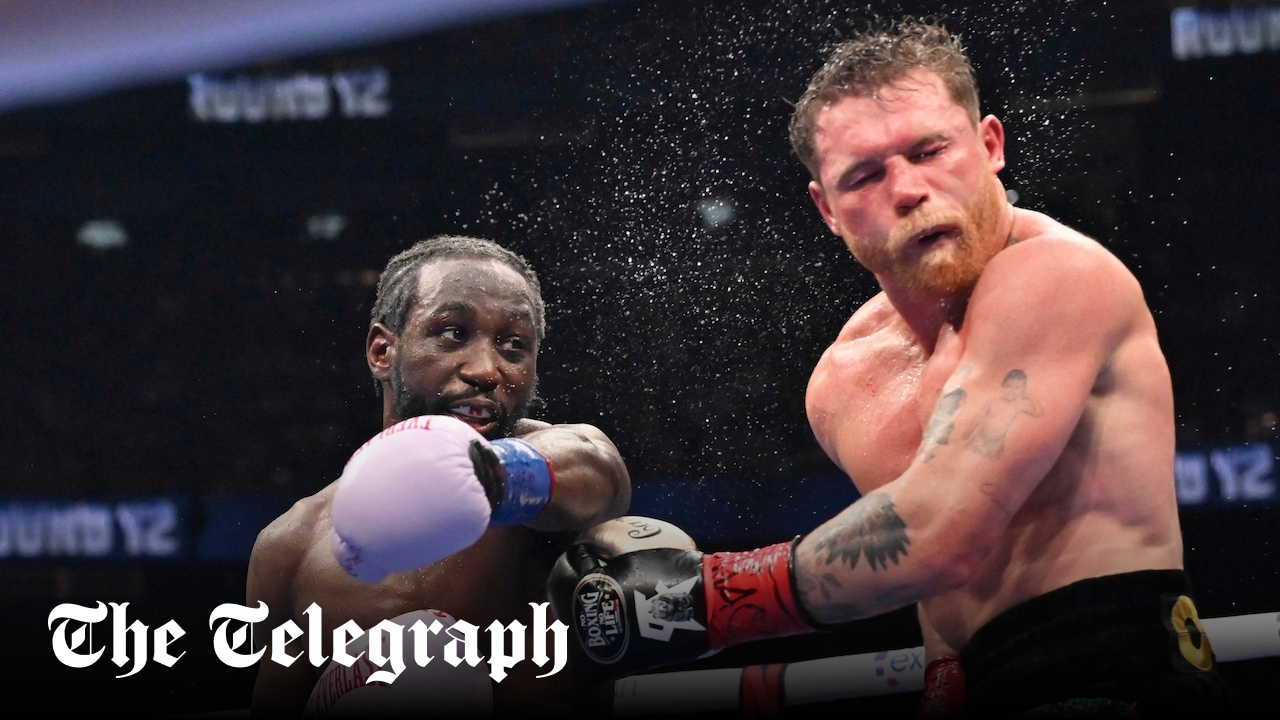
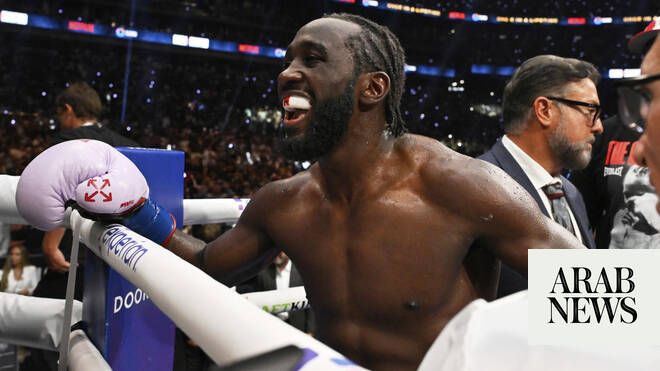
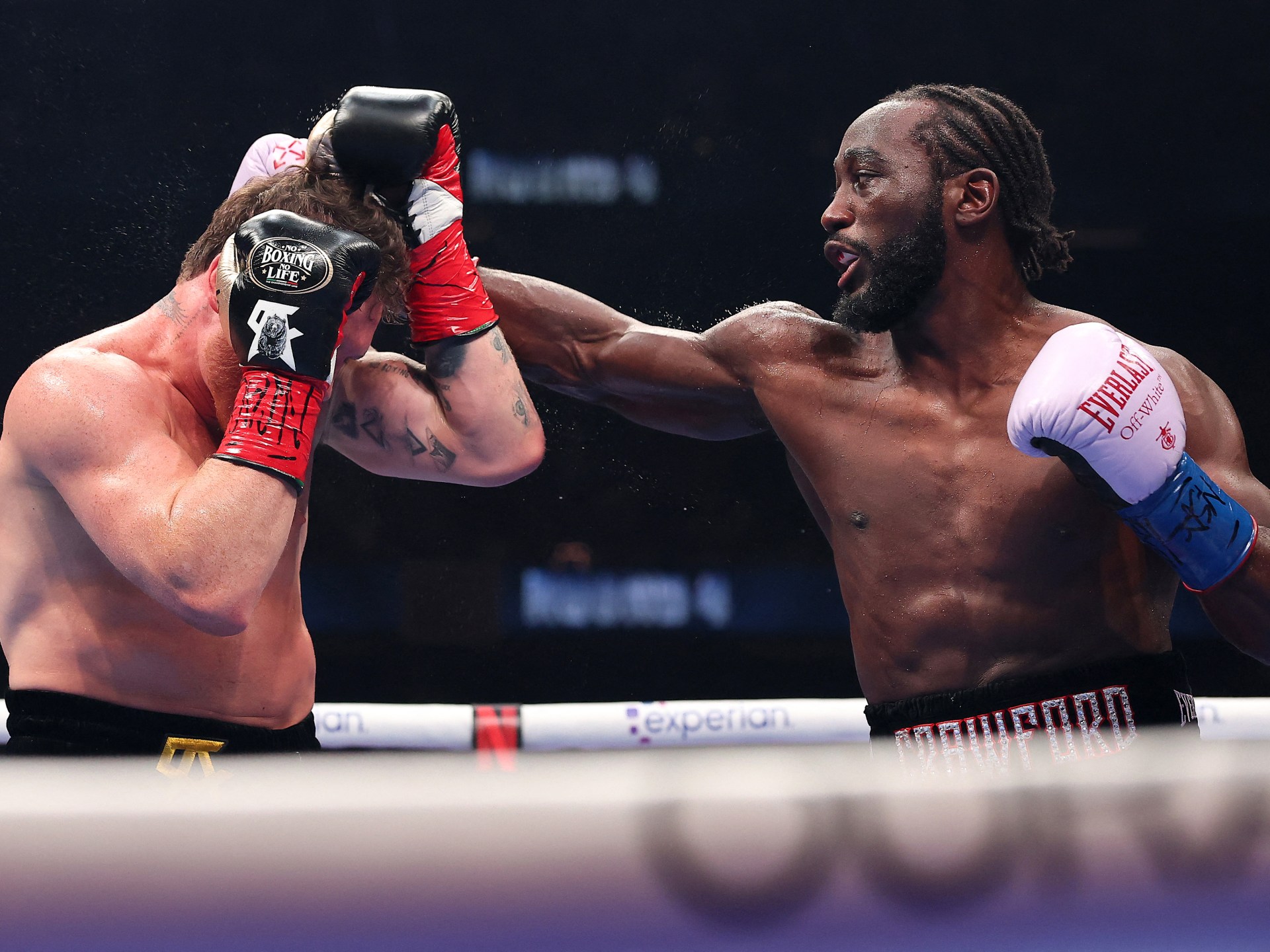
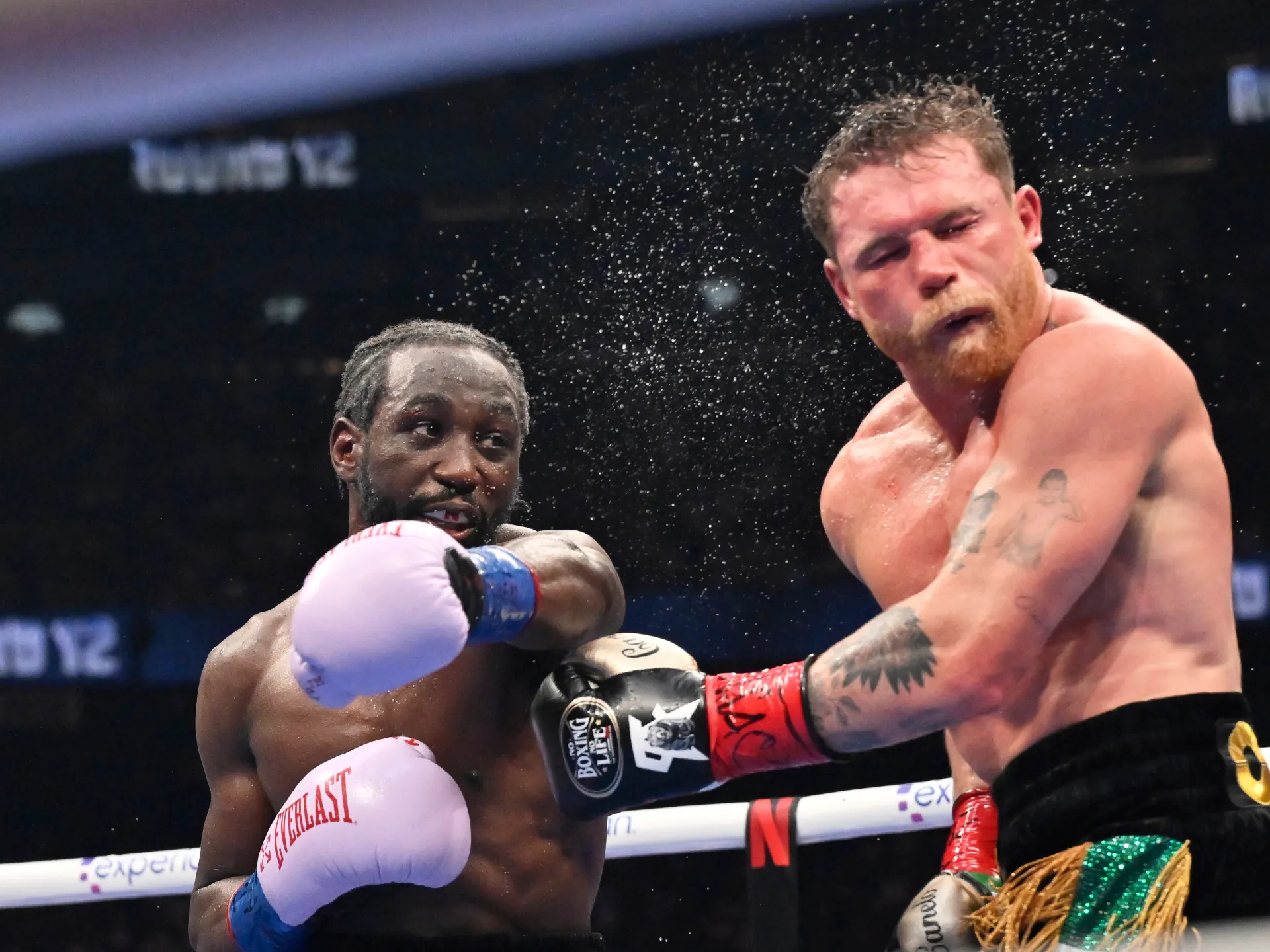
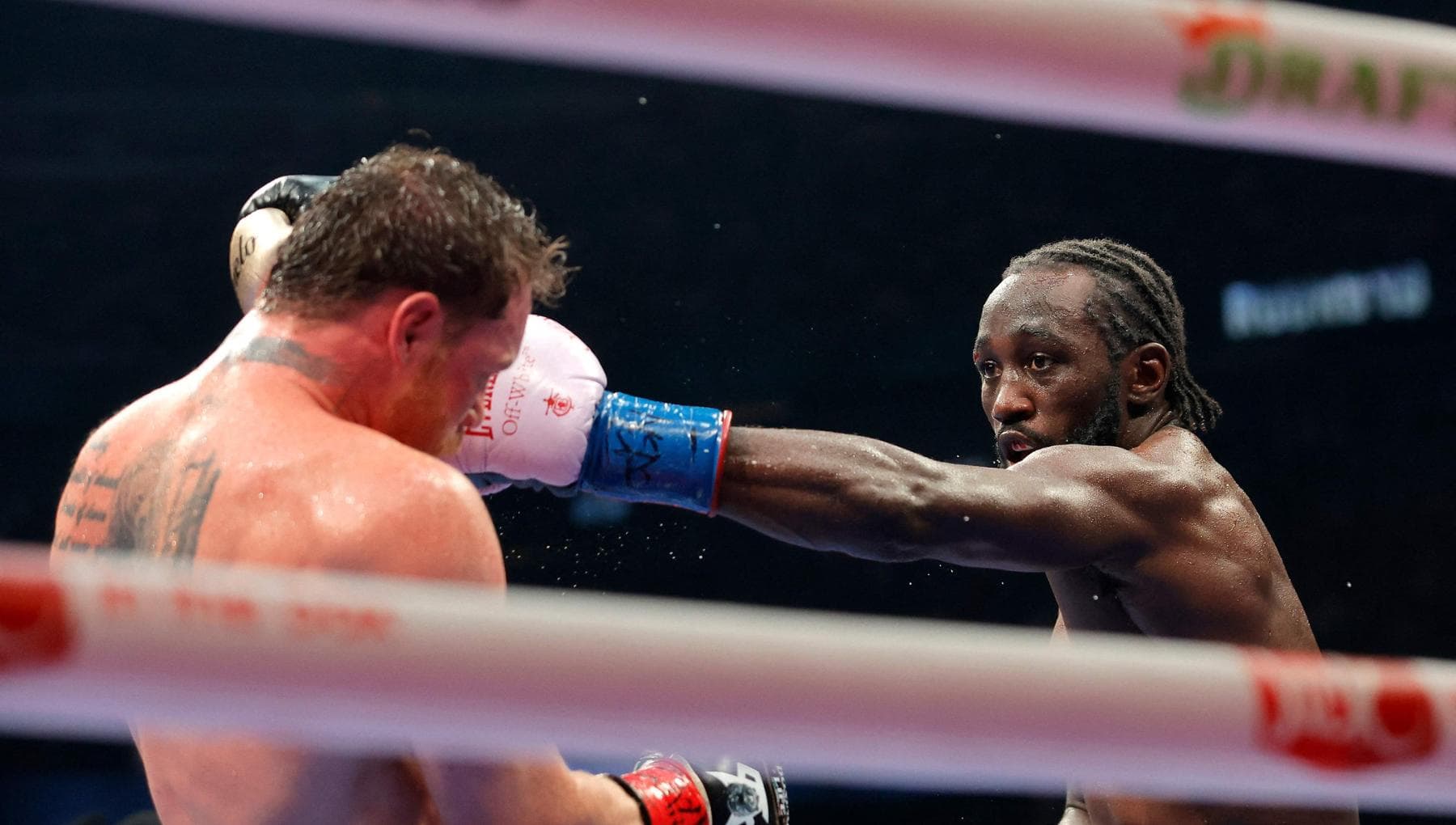
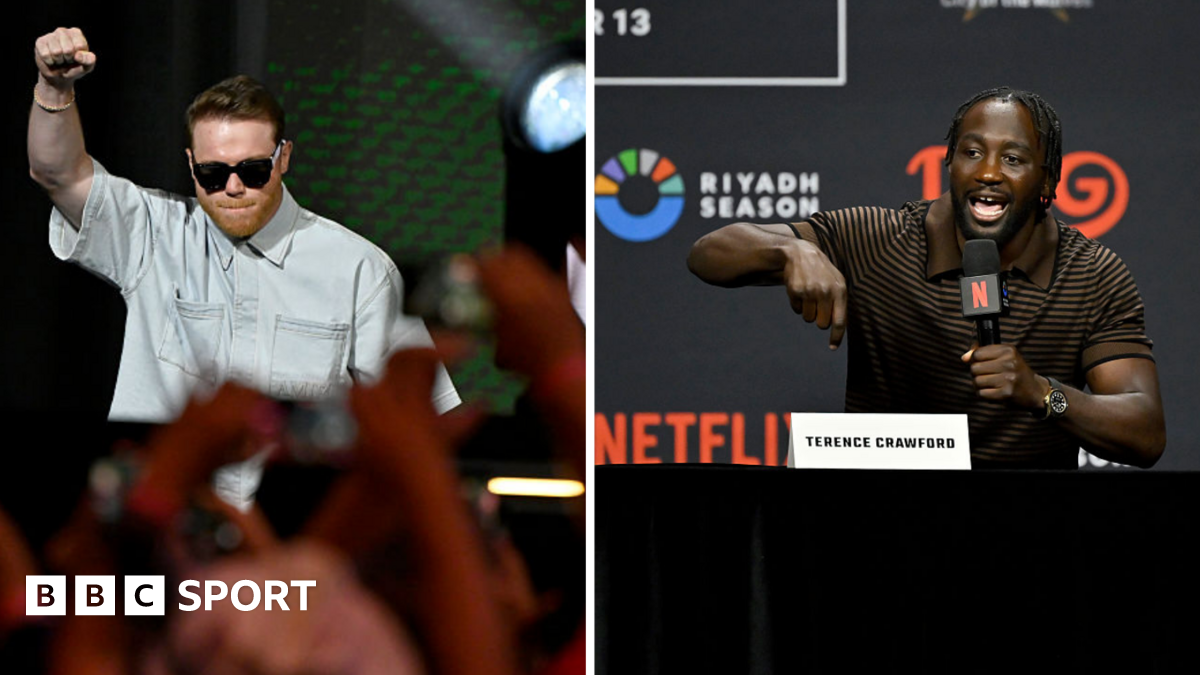
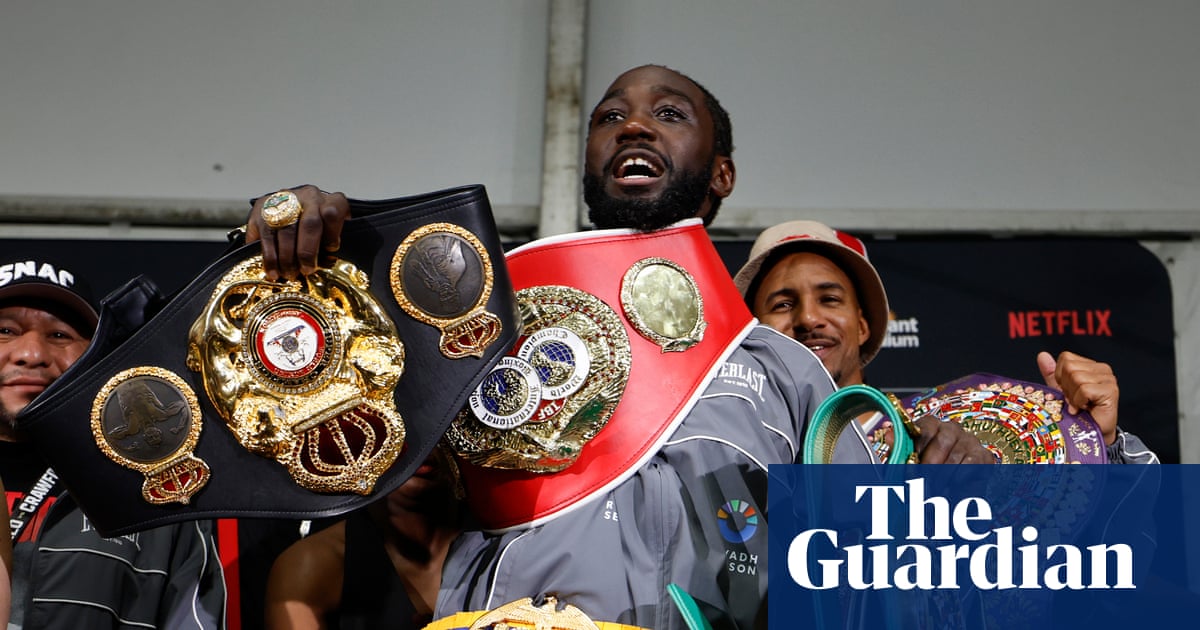
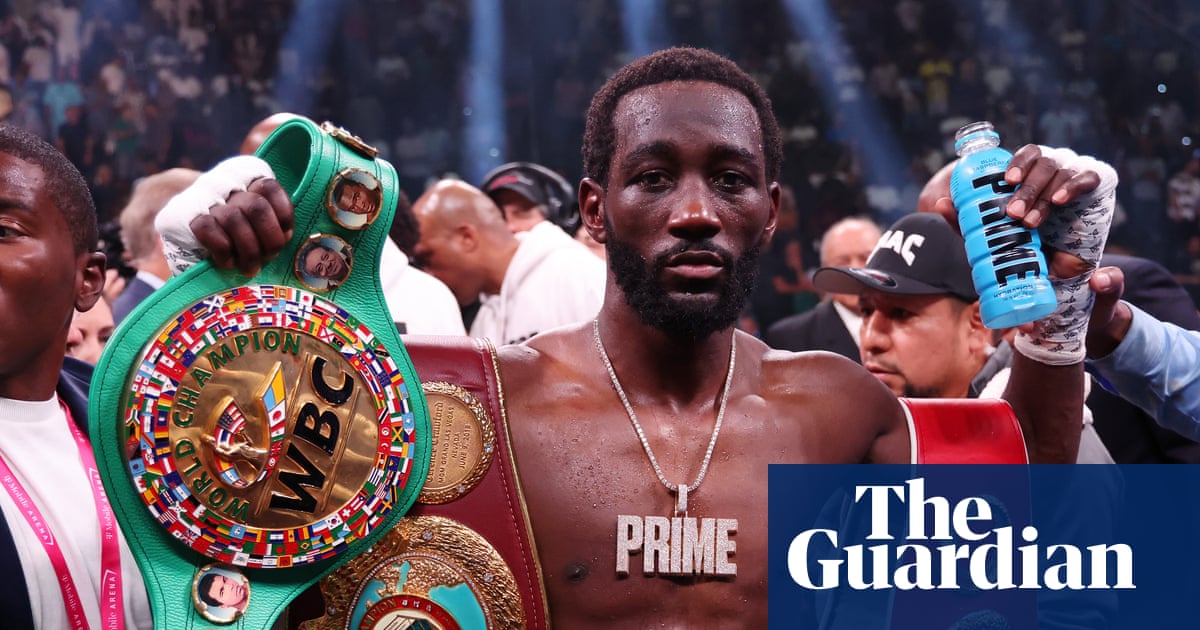
hen the scores were read out and the task was accomplished, Terence Crawford dropped to one knee in the centre of the ring and wept. After more than a decade of waiting for the moment that would amplify his greatness beyond the paywalled enclave of modern boxing, the 37-year-old from Omaha had just outpointed the sport’s biggest star, Canelo Álvarez, before more than 70,000 fans in Las Vegas and millions more on Netflix. It was the career-defining victory he had never stopped believing would eventually come with hard work and dedication to his craft.
Patience has always been Crawford’s greatest asset. Inside the ring, he is the consummate problem-solver: slow to reveal his hand, content to let an opponent show their patterns, then surgically dismantling them once he has cracked the code. Outside it, he endured years of frustration, denied the paydays and opponents his gifts merited, waiting for the one night that could not be ignored any more. On Saturday at Allegiant Stadium, both sides of that signature discipline were vindicated.
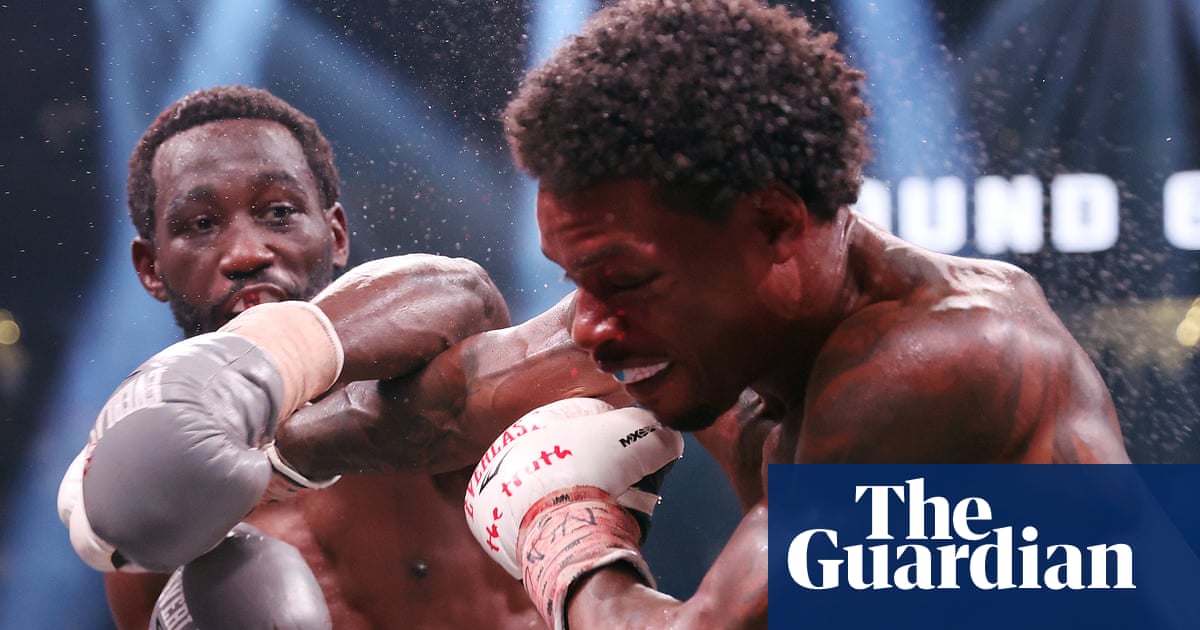
For most of his career, Crawford operated on the margins of mainstream stardom, the quiet craftsman without the crossover appeal of louder, brasher champions. He unified at 140lb. He did it again at 147, thrashing Errol Spence Jr in 2023 before a pay‑per‑view audience of about 700,000, his most visible commercial success by far. Yet doubts lingered. His résumé, critics said, lacked marquee names. The wins came too often against opponents dismissed as “nobodies”. His long affiliation with Top Rank allowed the most attractive opponents to sidestep him. Even Álvarez needled him in the buildup: “If you look at his career, mention one elite fighter.”