A
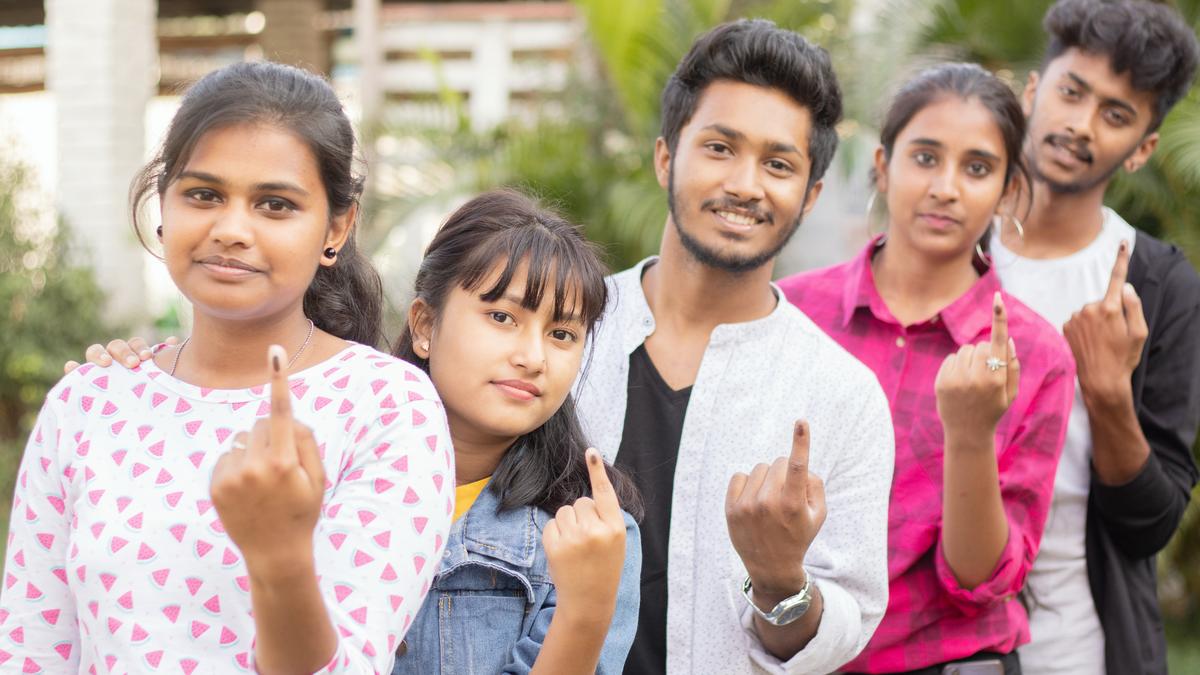
s India prepares for yet another election, thousands of new voters will step into polling booths equipped with the ability to influence the trajectory of the nation. I vividly recall the anticipation I had during my first voting experience, as I genuinely believed that my vote would make a difference. Likewise, for many, that day will be one filled with expectation — a celebration of citizenship and a taste of true power for the very first time. However, there exists a stark reality that most of us tend to ignore: do first-time voters truly grasp the issues at play?
The political landscape of India has long needed change; however, the narrative has been reduced to the identification of party names and symbols, alongside soap opera-like campaign rallies. A sprinkle of outrage on social media, WhatsApp forwards, and performative participation have replaced educated and informed citizenship. Perhaps the most alarming issue is the absence of informed citizens who are capable of comprehending policies, media biases, propaganda, and engaging in civic participation beyond election day.
Public debates and manifestos once defined the scope of a voter’s choice. Today, that has evolved into meme wars, influencer endorsements, and echo chambers driven by algorithms. Politically active persons in today’s world — spending hours on YouTube or Instagram — may consider themselves engaged, but the content they consume often panders to their pre-existing beliefs. In these circumstances, simply asking whether they know who they are voting for is not enough. The more important question is “why?”