In this week’s newsletter: Live performances offering authentic human connection are drawing crowds to the stage, as AI-driven drivel worms its way into other creative industries
L
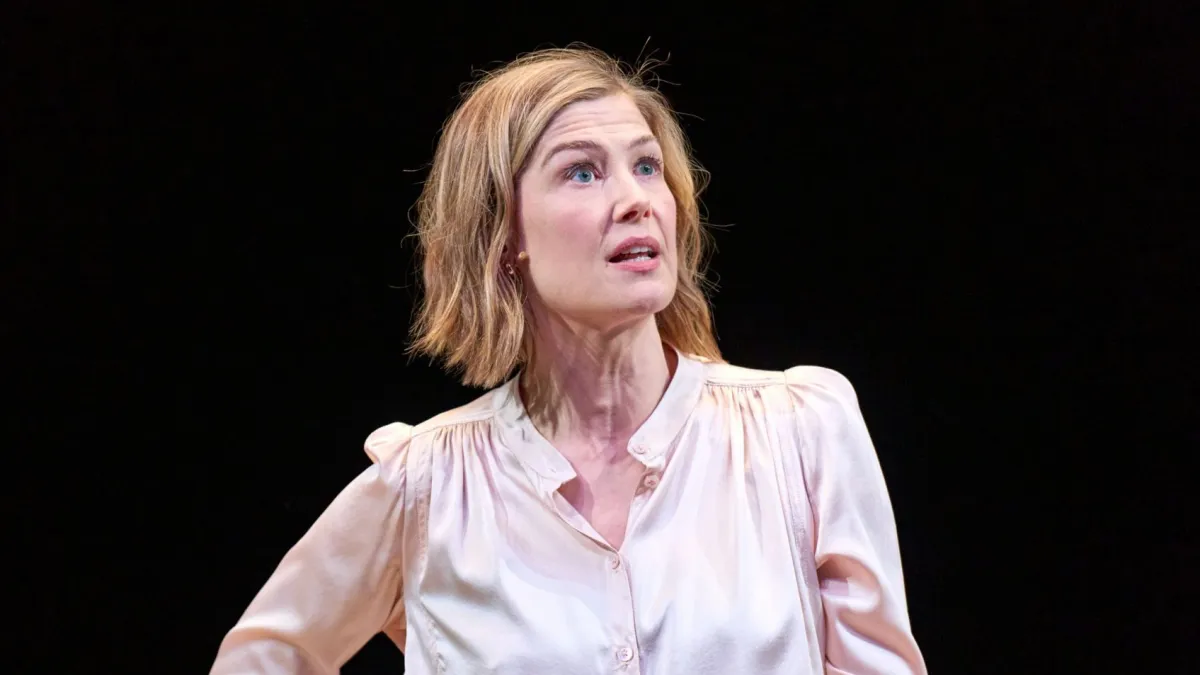
ast year, more than 37 million people settled their behinds into the red-velvet upholstery, plastic chairs or wooden “I’ll only tolerate this because it’s the Globe” benches of a theatre. West End attendance has reportedly grown by 11% and regional audiences have increased by 4% since 2019 – pretty impressive amid a cost of living crisis and after a pandemic that had us all locked in our houses.
The increase in attendance can be chalked up to all sorts of reasons: the post-Covid return of tourists to the UK, schemes offering more reasonably priced tickets, and big films such as Wicked leaving people wondering what that Defying Gravity note sounds like live. But I’d throw another contender into the mix: the rise of AI.
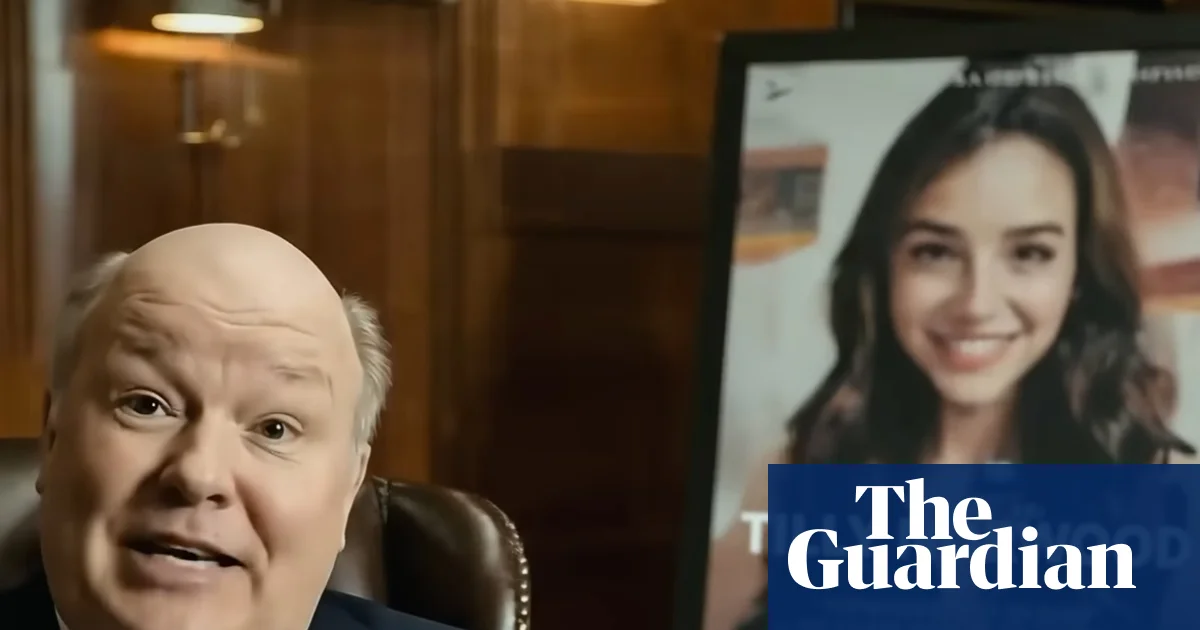
For some, AI’s arrival has been exciting or, at the very least, handy – who doesn’t want to outsource life’s grunt work, or get an expert photo editor/nutritionist/therapist for nothing? For others, it feels bleak and bewildering. They’ve watched AI replace jobs, supersede human connection and infiltrate almost every area of our lives. Even worse, it’s started doing it on the sly. From AI-generated articles appearing in Wired and Business Insider (I’m real, I promise) to deepfakes of politicians going rogue, it’s becoming increasingly difficult to spot what’s real and what’s not.