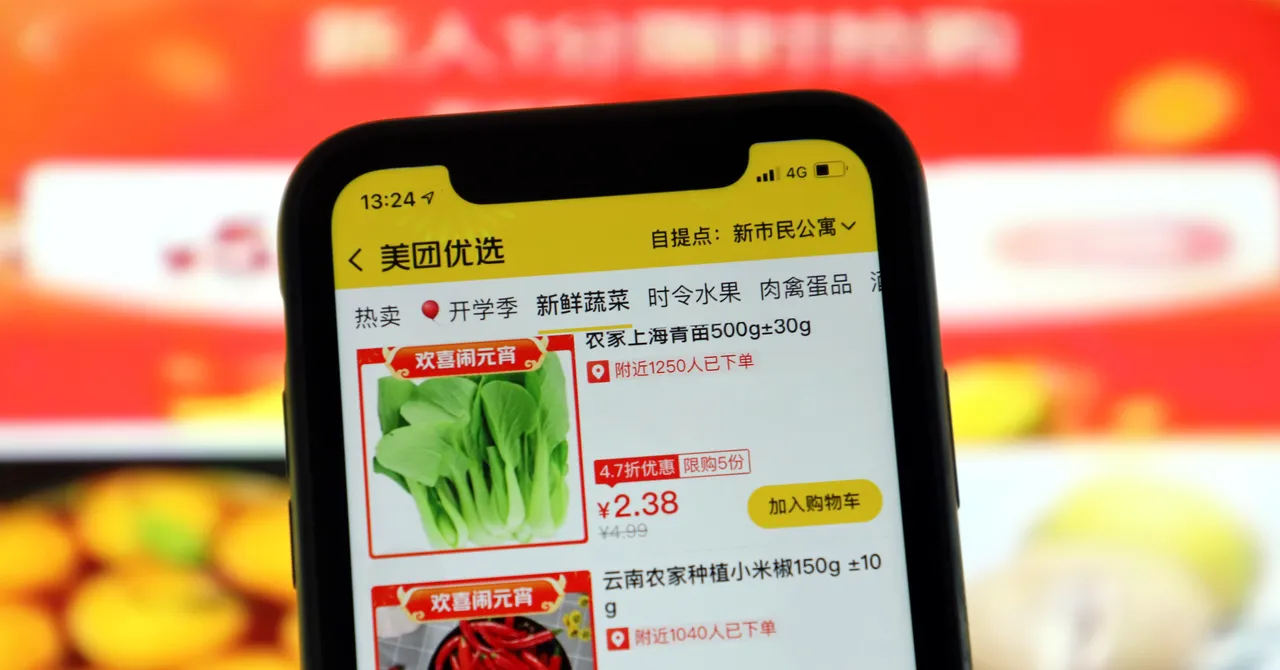
Instant commerce has evolved over a short period of time, as providers expanded their on-demand delivery coverage beyond food
Instant commerce – a turbocharged combination of online shopping and swift dispatch – had already made a typical lunchbox order cost around US$1 or US$2, which covered the food and the delivery fee.
The size and scope of instant commerce also appear unparalleled in China’s economic landscape, as the segment covers hundreds of millions of consumers who have grown accustomed to ordering a wide range of products and services online, with expedited on-demand deliveries.
In July, Meituan said it would build 1,200 so-called Raccoon Restaurants over the next three years. These facilities are designed as hubs for multiple restaurant chains that operate their kitchens only for takeaways. These sites are expected to help drive down costs and boost efficiency for Meituan’s restaurant chain partners, according to a company statement.
By contrast, JD.com announced a plan to invest 1 billion yuan to recruit “cuisine partners”, as part of the firm’s roll-out of 10,000 self-operated 7Fresh kitchens over the next three years. This infrastructure would enable the company to promote 1,000 different menus to a nationwide audience.