Sea life needs protection, and the UK’s current system of marine management isn’t up to it
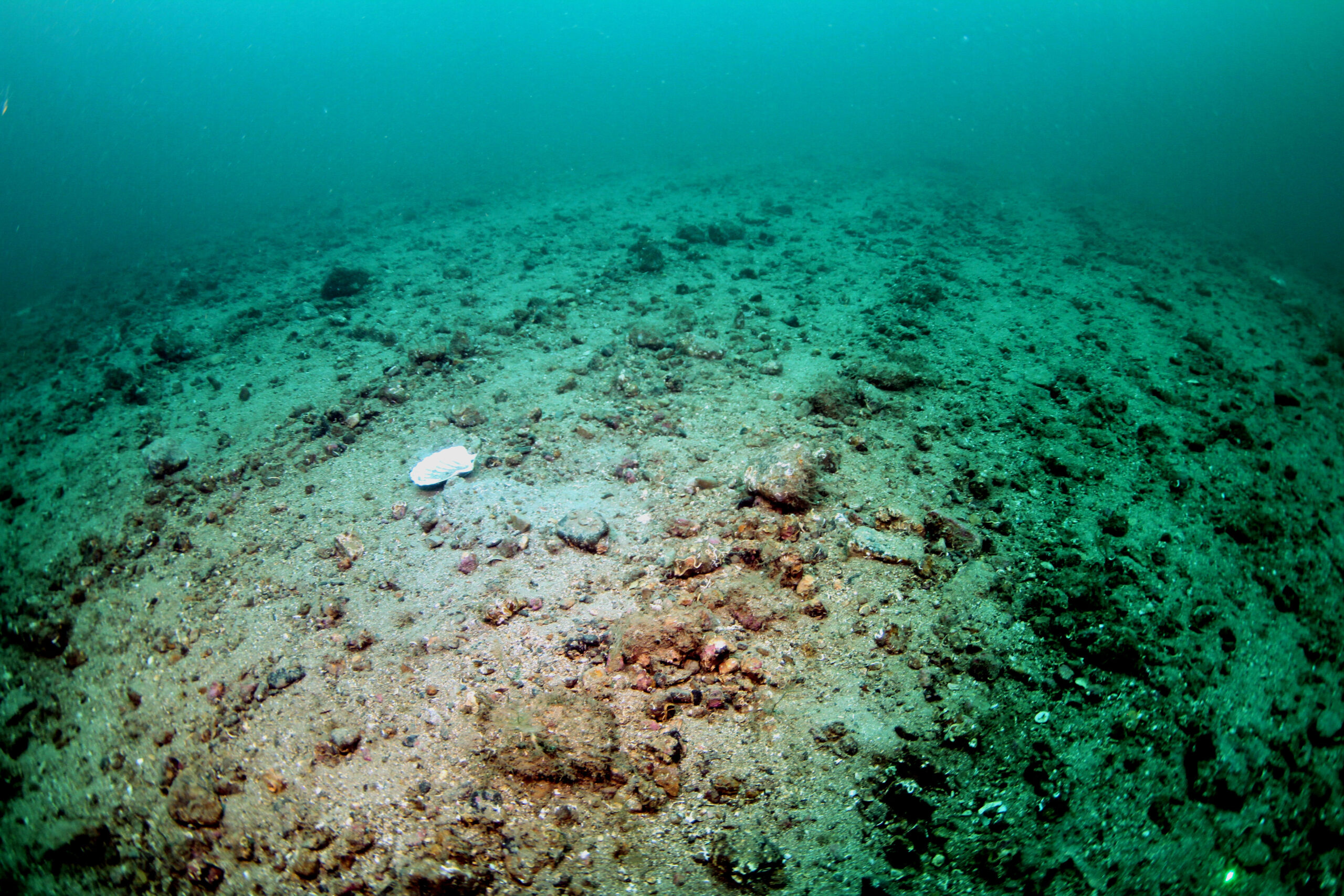
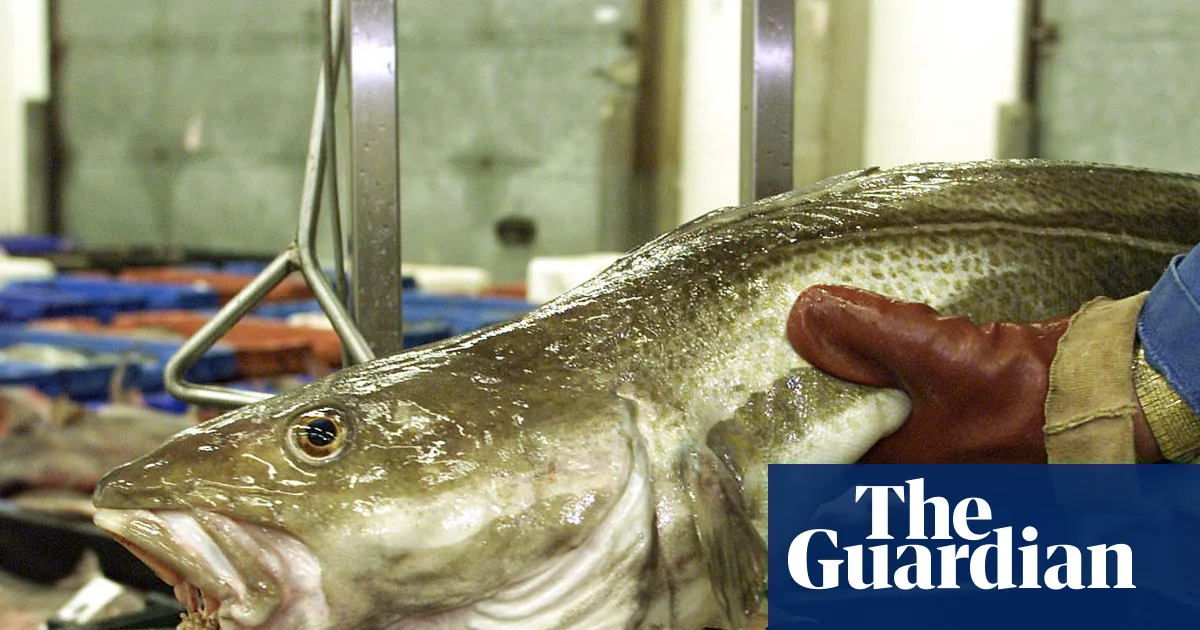
p to 90% of the ocean floor around Britain is covered with sand and gravel, derived from the erosion of shell and rocks. Other, more unusual habitats include maerl beds, seagrass meadows and kelp forests. These biodiverse landscapes are home to 330 species of fish, as well as seals, seahorses and thousands of lesser‑known species – which share them with the offshore energy, fishing and shipping industries.
Heightened awareness of pollution from sewage and plastics means that the public knows more about marine conservation than it used to. For his 99th birthday this year, the broadcaster and naturalist Sir David Attenborough made a film, Ocean, in which he described the seas as the planet’s “greatest life support system”, and urged people to get behind efforts to protect and renew marine nature.
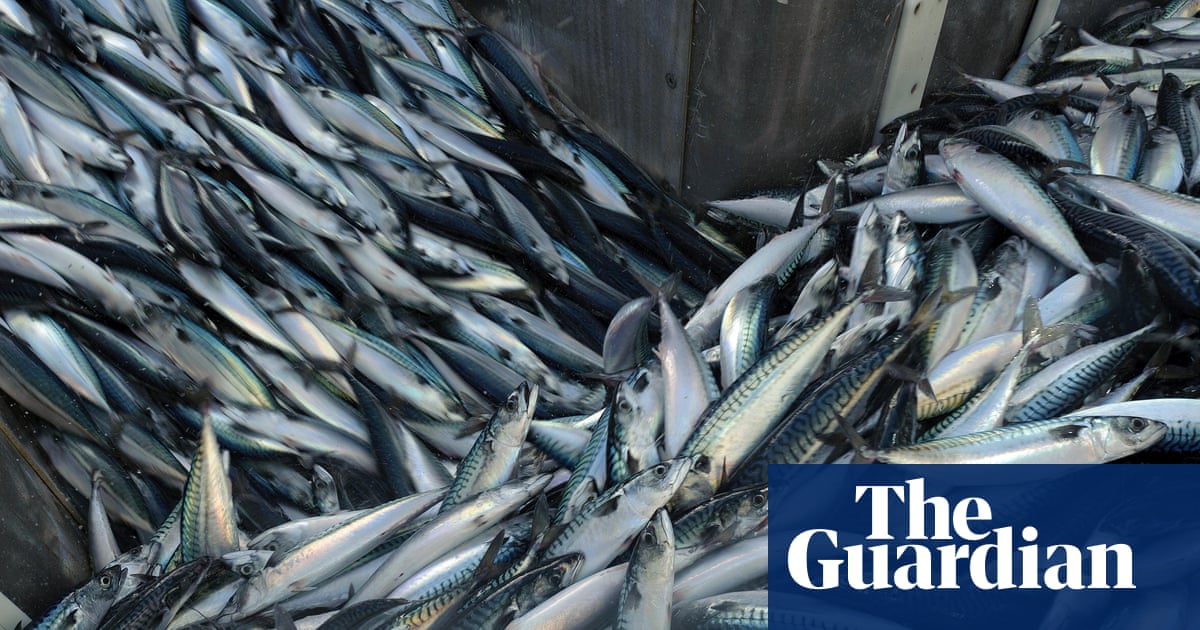
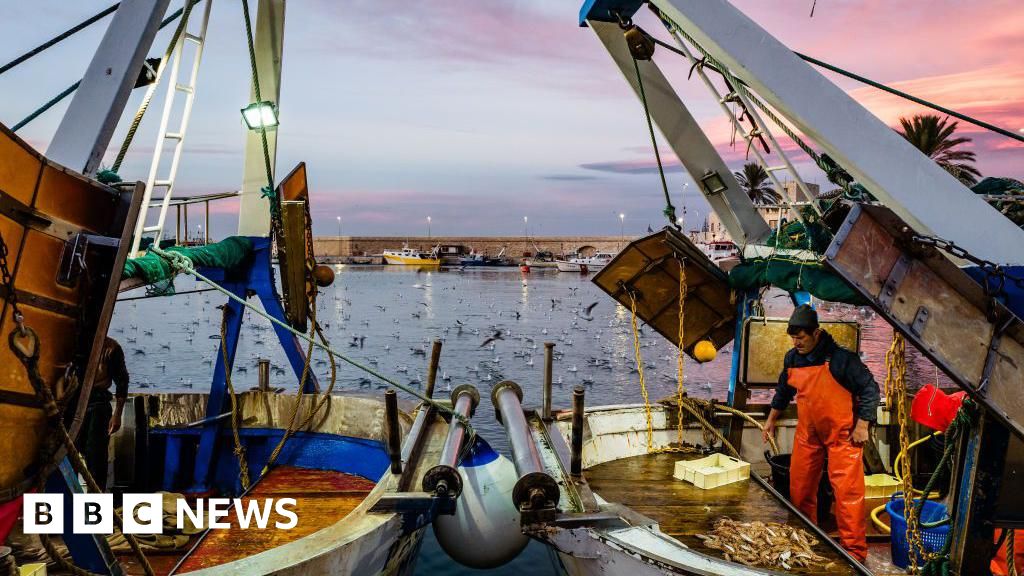
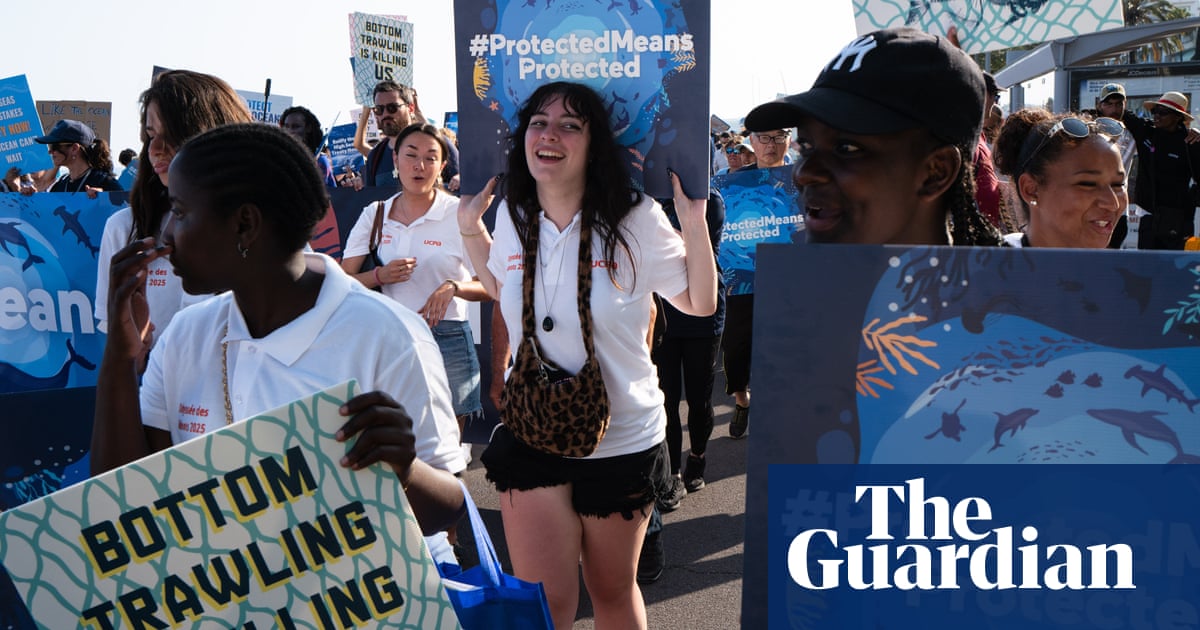
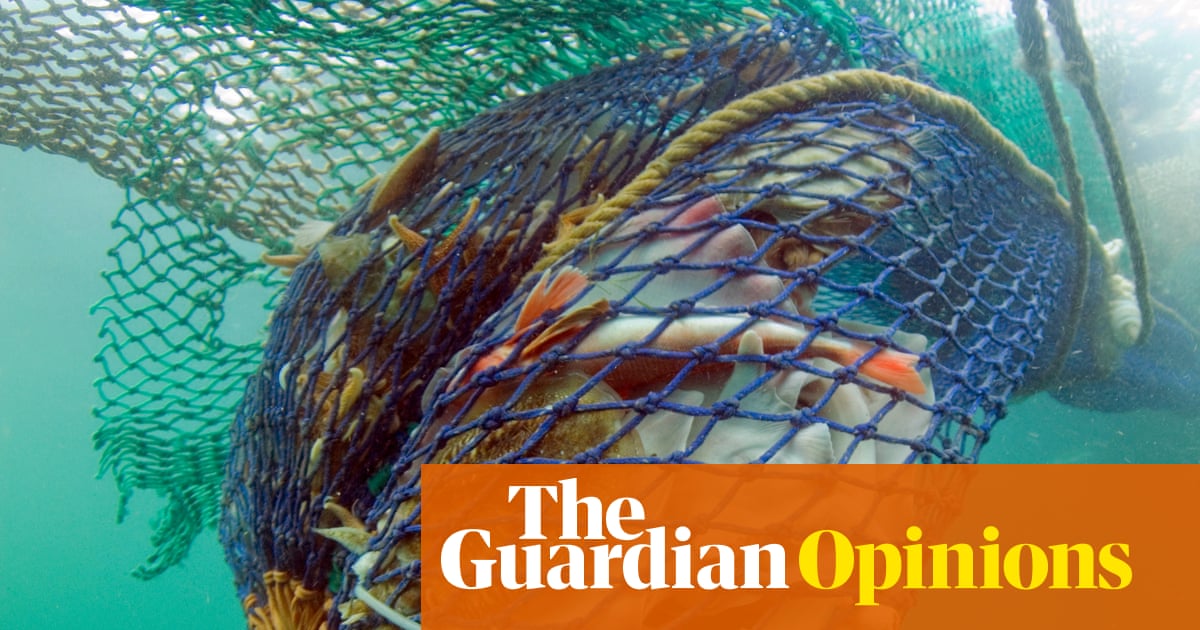
But despite an energetic campaign against sewage discharges by water companies, an issue that featured in last year’s general election, and valiant local volunteer efforts such as the seahorse survey in Dorset’s Studland Bay, increased concern about the state of the seas has not delivered a robust, clearly understood national framework for underwater conservation. The government this week rejected a recommendation from parliament’s environmental audit committee that bottom-trawling by fishing boats should be banned in marine protected areas (MPAs). That was a mistake and a sign of how far there is still to go.