https://arab.news/wfqet
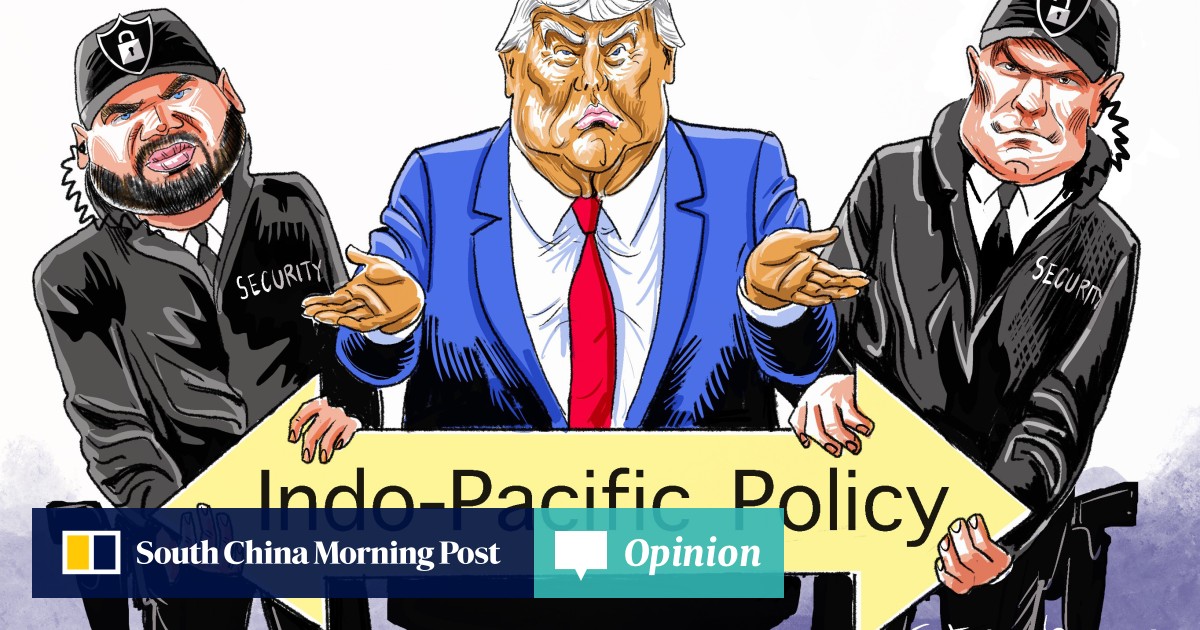
In the opening months of President Donald Trump’s second term, he and many of his senior officials have emphasized what they view as an imbalance in global burden-sharing between the US and its partners and allies. Equally important, they believe the defense of the US homeland has been neglected by previous administrations — especially the border. To address these concerns, the administration signaled early on that it would release a new Global Posture Review and a National Defense Strategy this year, with publication expected “by the end of the summer.”
It has been nearly four years since the last Global Posture Review was released in November 2021. Reviews are useful — ensuring US strategy, forces and equipment remain aligned with evolving threats — but the forthcoming documents must avoid idealistic frameworks disconnected from geopolitical realities.
Inside the second Trump administration, competing schools of thought are shaping the debate. The first, drawn from the traditional Republican foreign policy establishment, maintains a hawkish, robust view of America’s global role. This camp is smaller than in past administrations but it still has influence with the president, as seen with the recent strikes against Iran’s nuclear program.