Surge in air attacks and civilian casualties accompany avowed ‘peace through strength’ strategy as efficacy questioned.
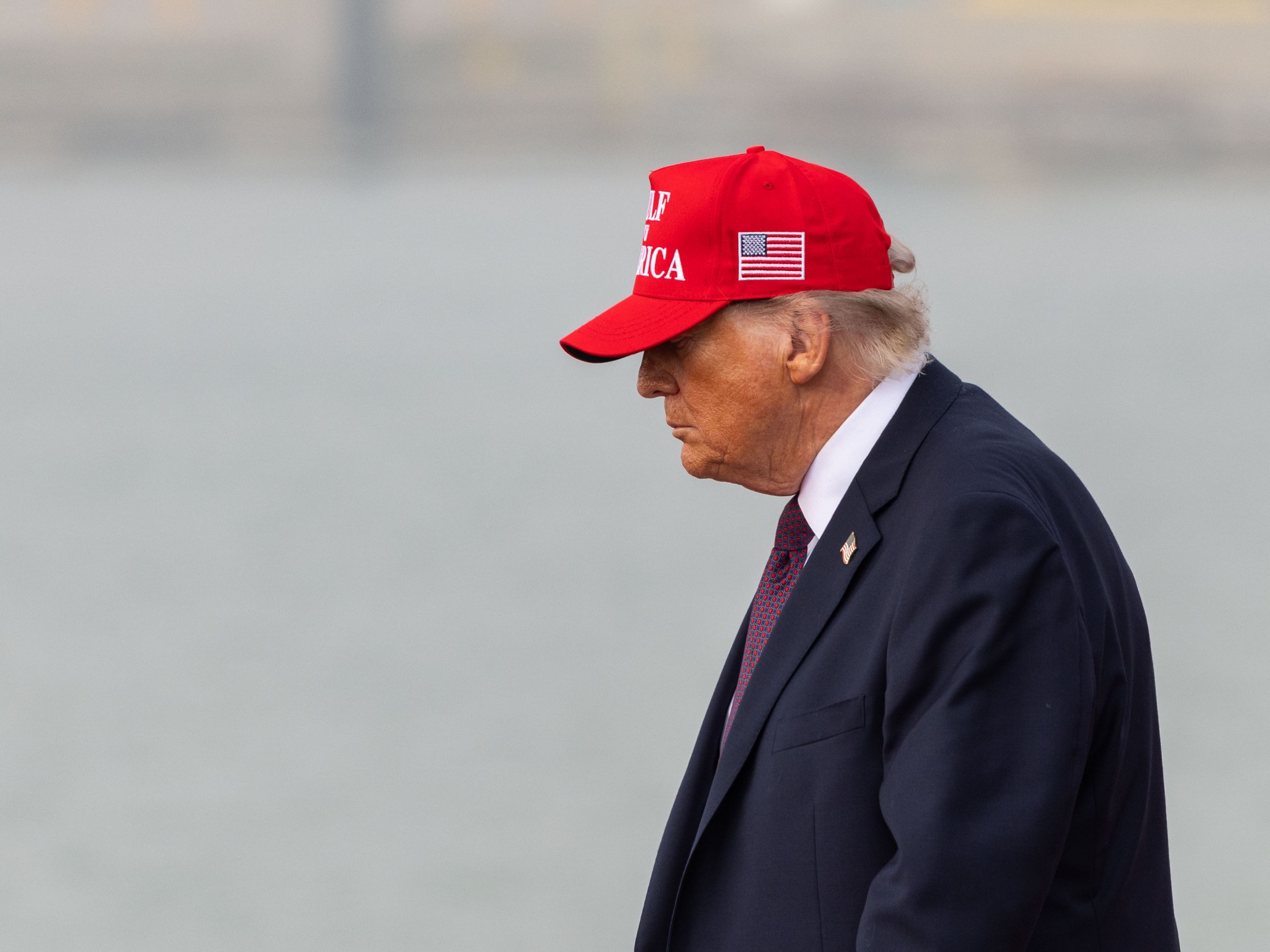
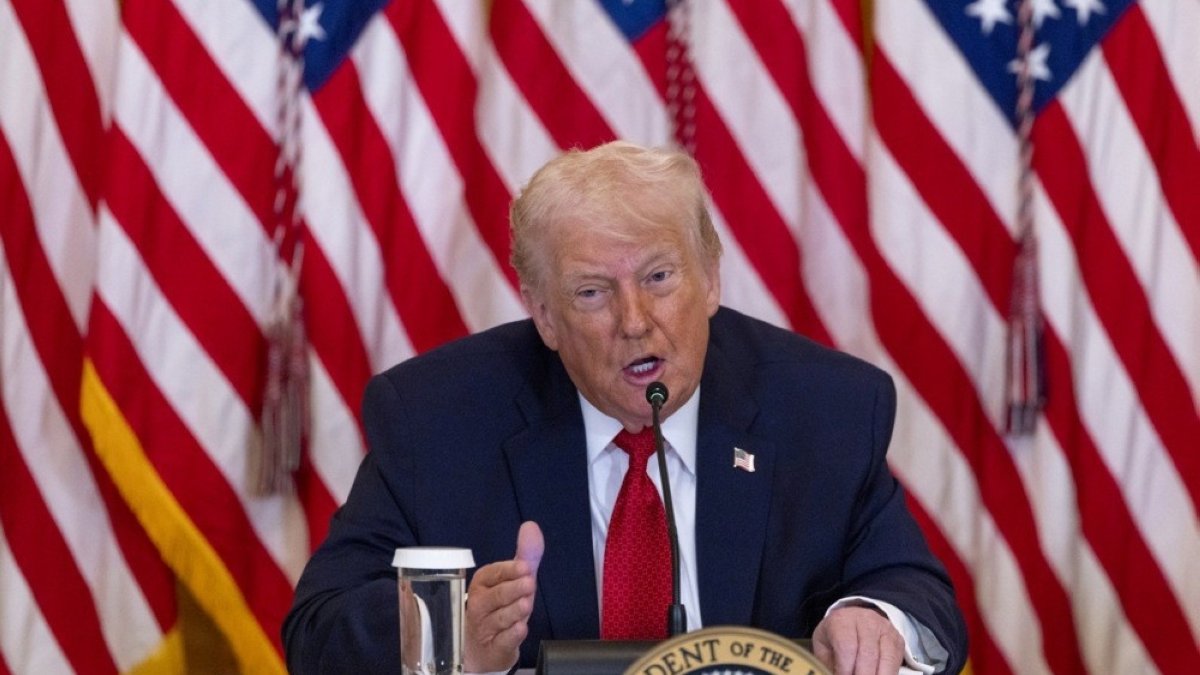
Washington, DC – During the first six months of his second term, Donald Trump pushed the limits of US presidential power while aiming to reorient US foreign policy to “America First”.
His first months in office have also offered a window into the future of his administration’s approach to war-making, what analysts characterise as an at times contradictory tactic that oscillates between avowed anti-interventionism and quicksilver military attacks, justified as “peace through strength”.
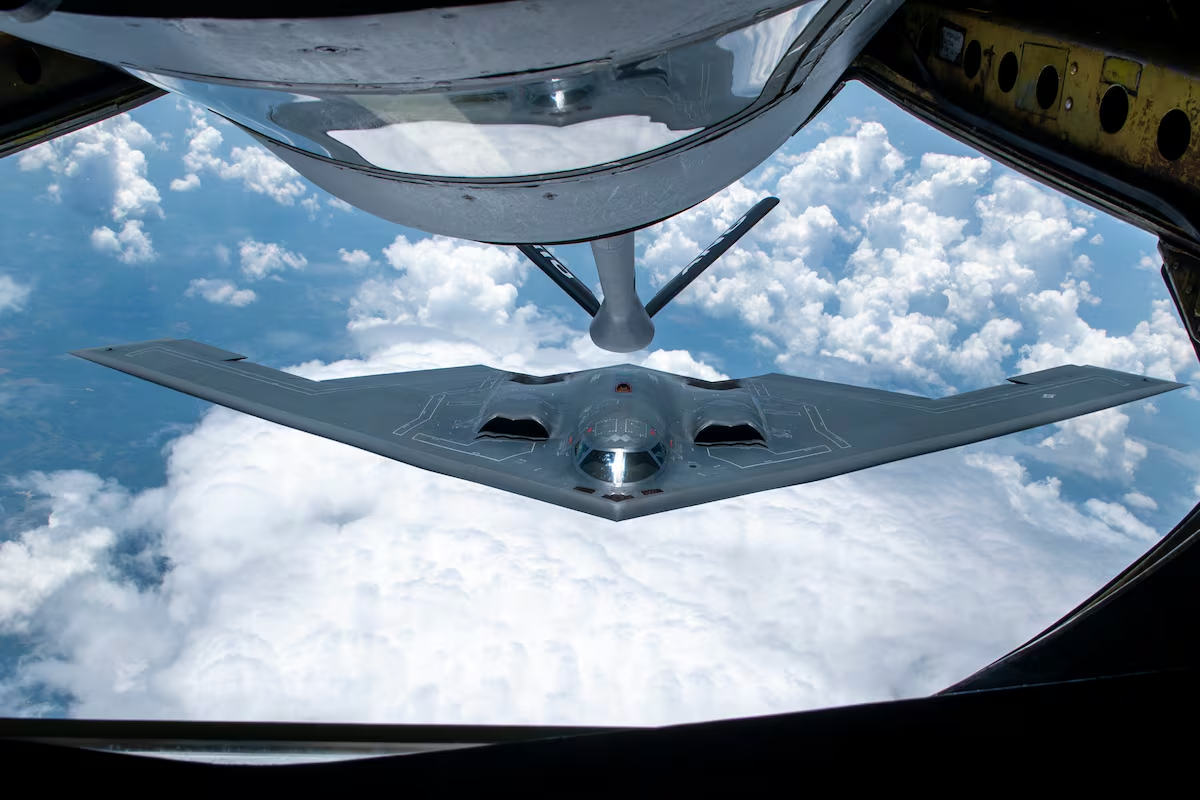
While questions remain over whether Trump has indeed pursued a coherent strategy when it comes to direct US involvement in international conflict, one thing has been clear in the first portion of Trump’s second four-year term: US air attacks, long Washington’s tool of choice since launching the so-called “war on terror” in the early 2000s, have again surged.
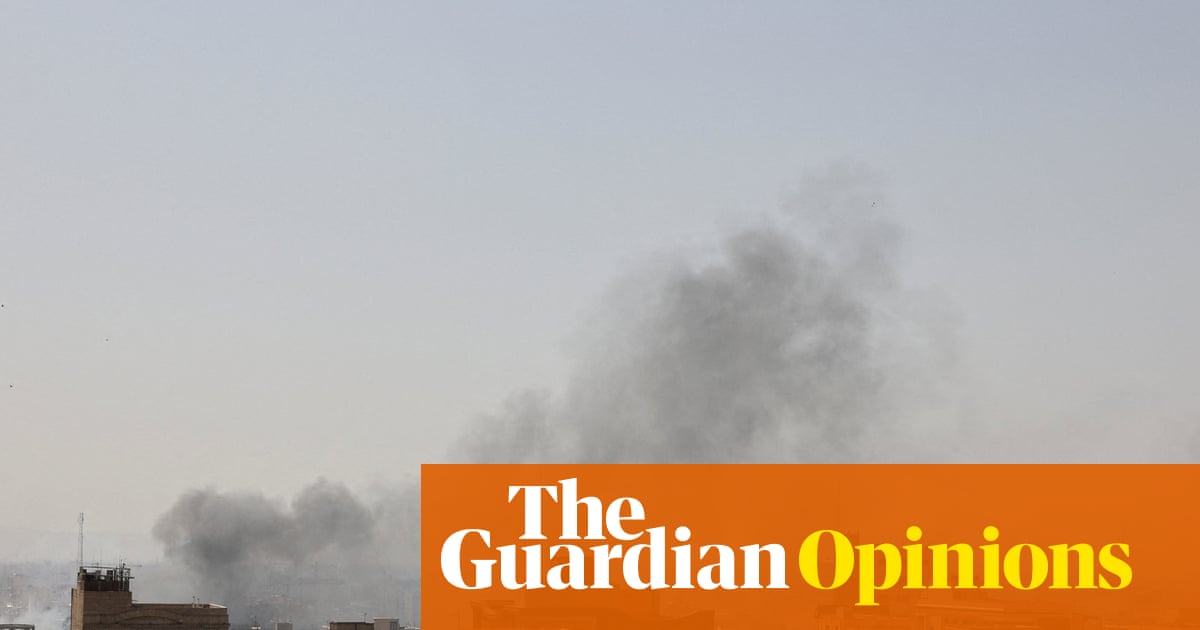
According to a report released last week by the Armed Conflict Location and Event Data Project (ACLED), since Trump’s re-entry into office on January 20, the US has carried out 529 air attacks in 240 locations across the Middle East, Central Asia and Africa.