I
nitially hailed as powerful tools for free communication, the spread of knowledge and even global understanding, social media platforms have increasingly revealed a darker side: They have become instruments of political polarization, vehicles for spreading misinformation and tools of manipulation and psychological imbalance.
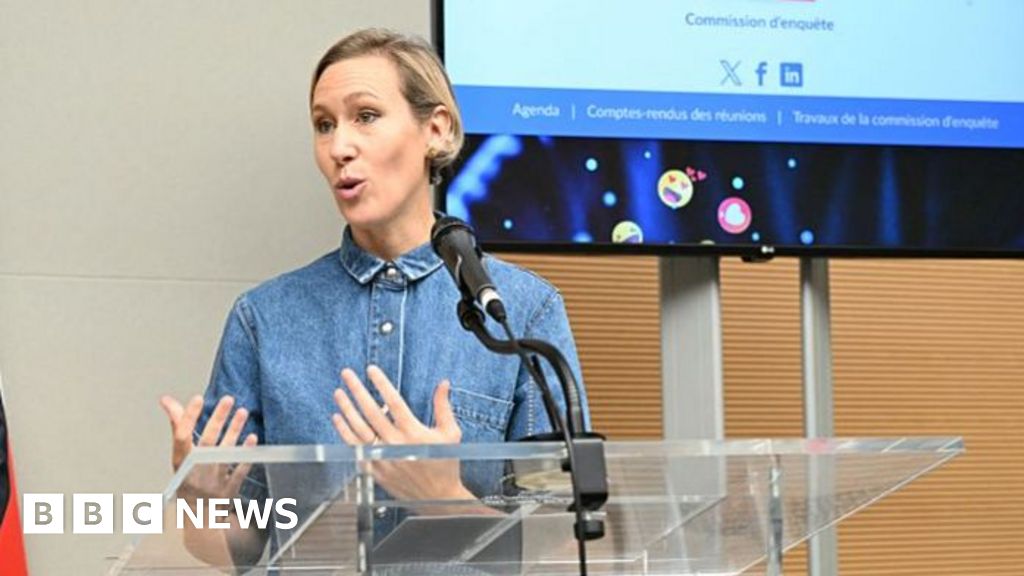
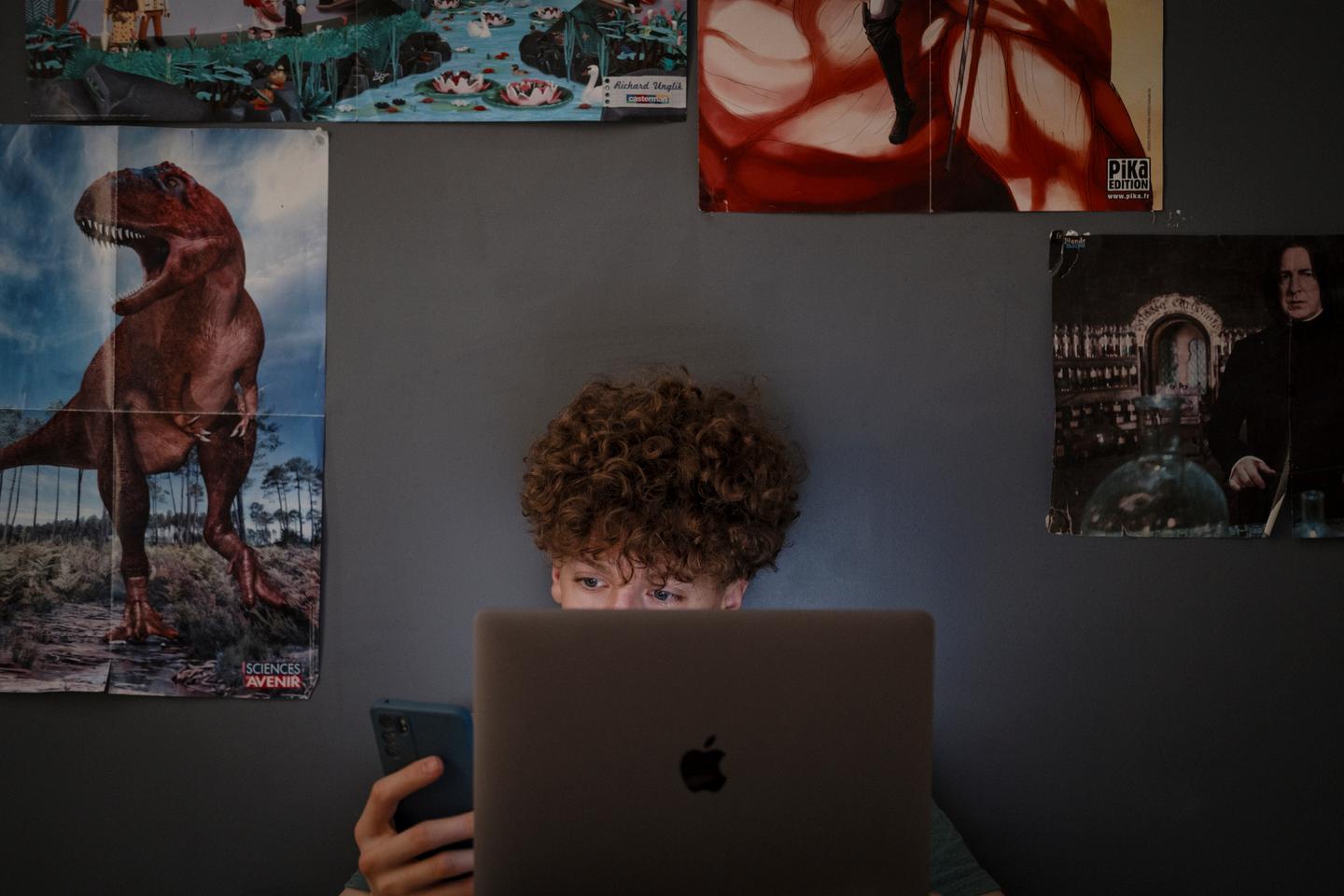
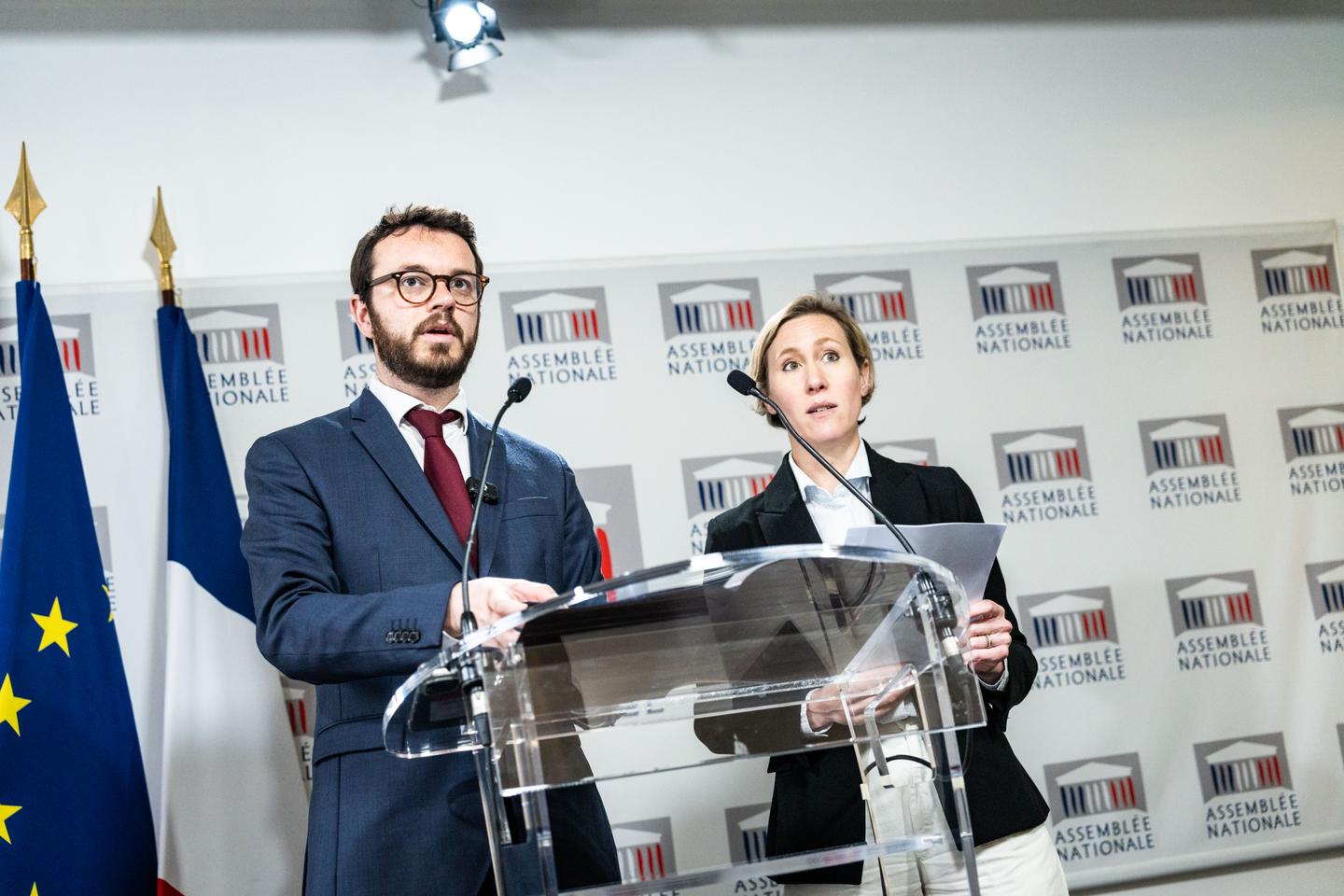
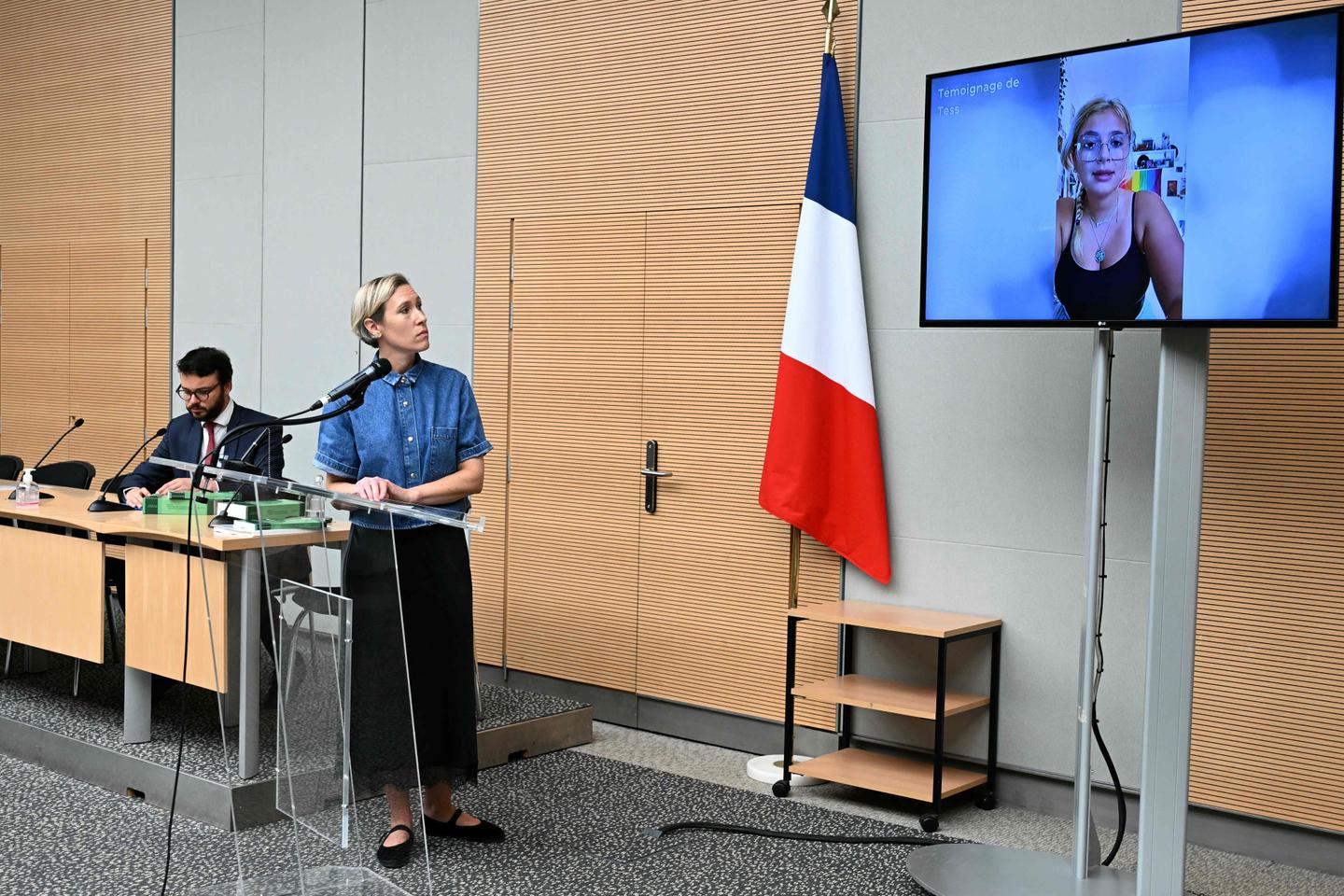
Their potentially harmful effect on young people's cognitive abilities and even their mental health have been observed worldwide. The fact that this risk is now identified and acknowledged, and that solutions are being sought to mitigate it, marks progress. The release, on Thursday, September 11, of the parliamentary commission's report on the psychological effects of TikTok on minors contributes to this vital effort.
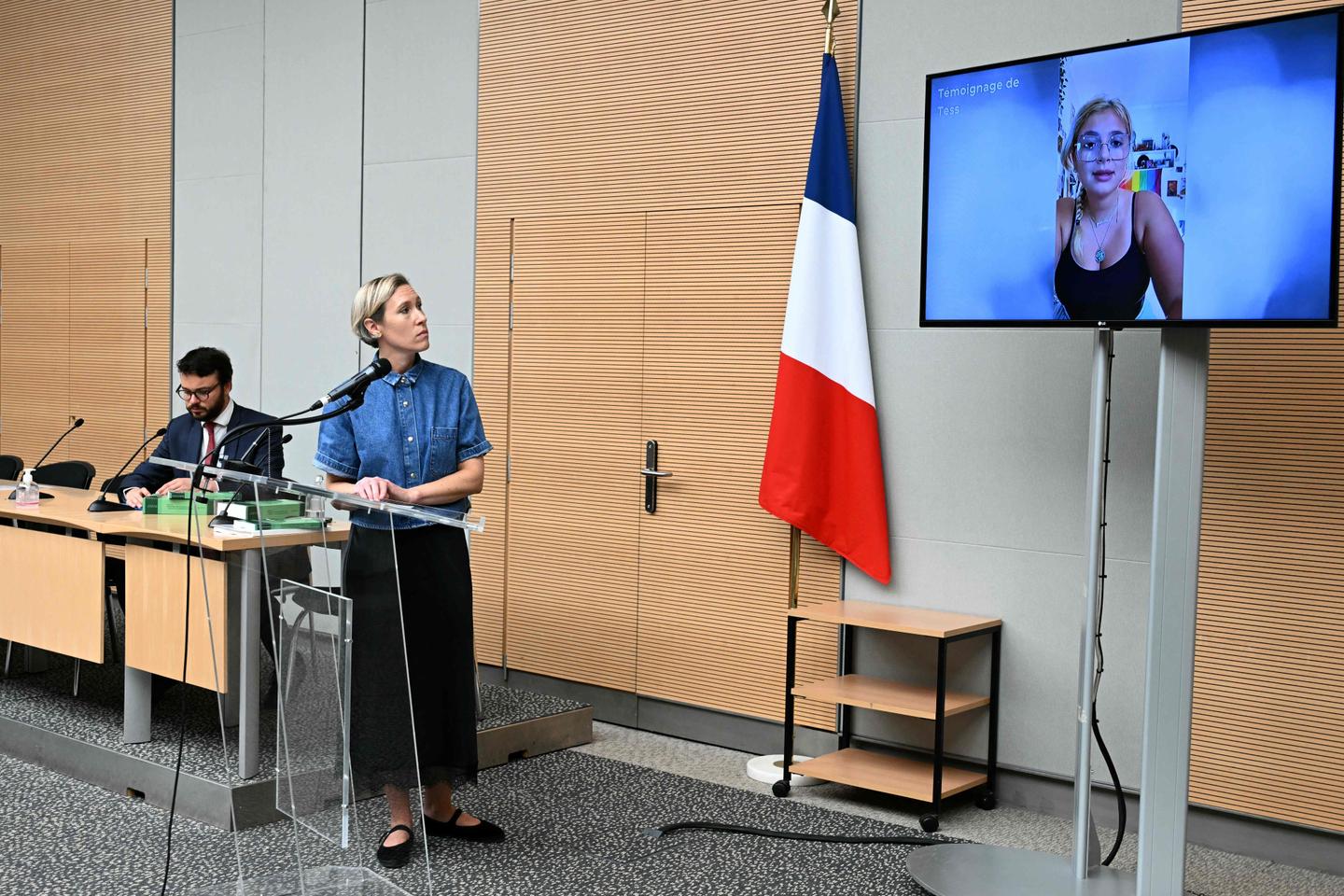
"Slow poison," "deadly spiral": French lawmakers did not hesitate to use strong metaphors to describe what they called, in their findings, a "factory of malaise." This short-video app, which claims nearly 28 million users, "knowingly exposes our children, our young people, to toxic, dangerous and addictive content," the officials concluded after six months of investigation.
Subscribers only