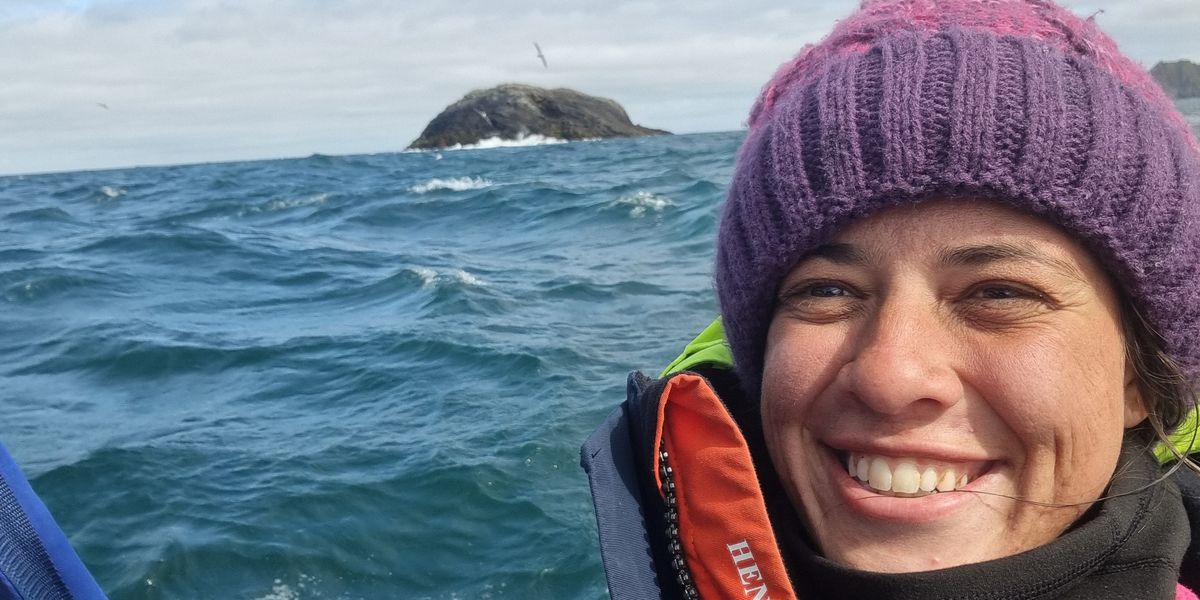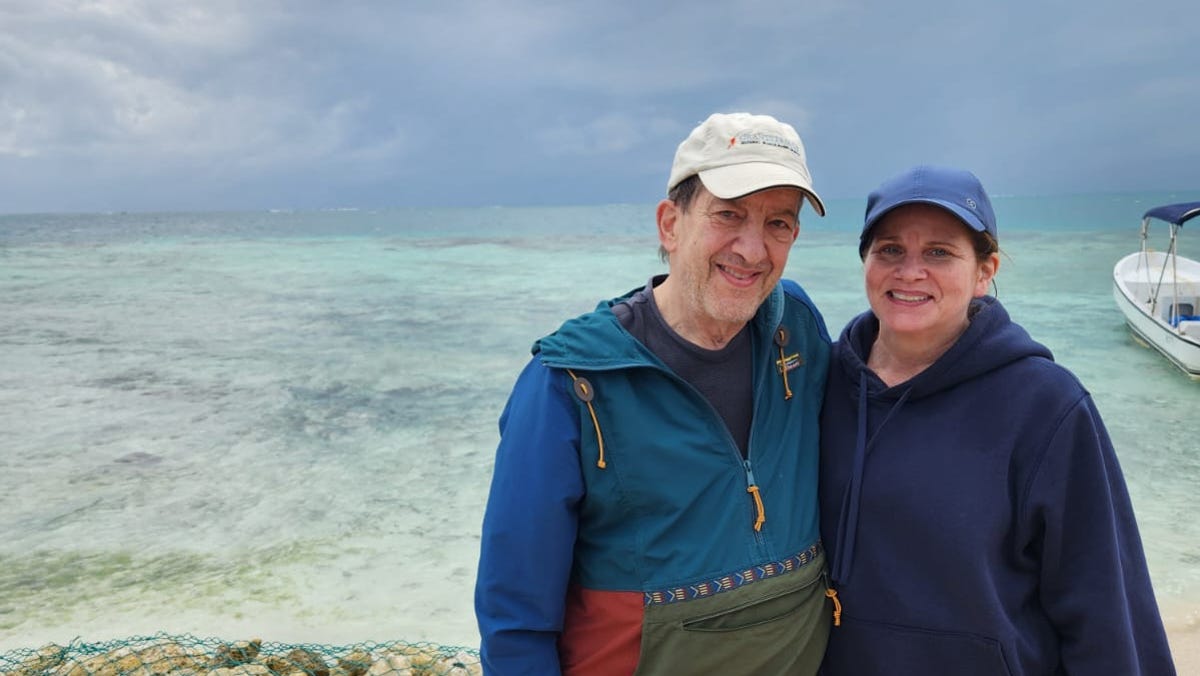
Kerrie Walters has her sights set on a cave tubing tour for her upcoming trip to Belize. She's looking forward to floating through the ancient limestone cave system past ancient Mayan archaeological sites and waterfalls. Just a few years ago, she would never have thought she could tackle such an activity because of her medical condition.
Walters, 57, was diagnosed with multiple sclerosis (MS) at 21, which affects her gait and balance, requiring her to use a walking stick. She is one of nearly a million Americans living with MS, a central nervous system autoimmune disease that affects the brain, spinal cord and optic nerves, according to the National Multiple Sclerosis Society. Those with MS experience symptoms differently, but fatigue, mobility issues, pain and numbness are often common.
The Oregon resident credits much of her improved mobility to a treatment she started in 2022, a portable neuromodulation stimulator (PoNS) device that uses electrical pulses to repair elements in her brain affected by MS – she was one of the first people in Oregon to use it. "Because I used to be active and then I couldn't be for a while, and now I can be, I just gotta do some of these things," Walters told USA TODAY.