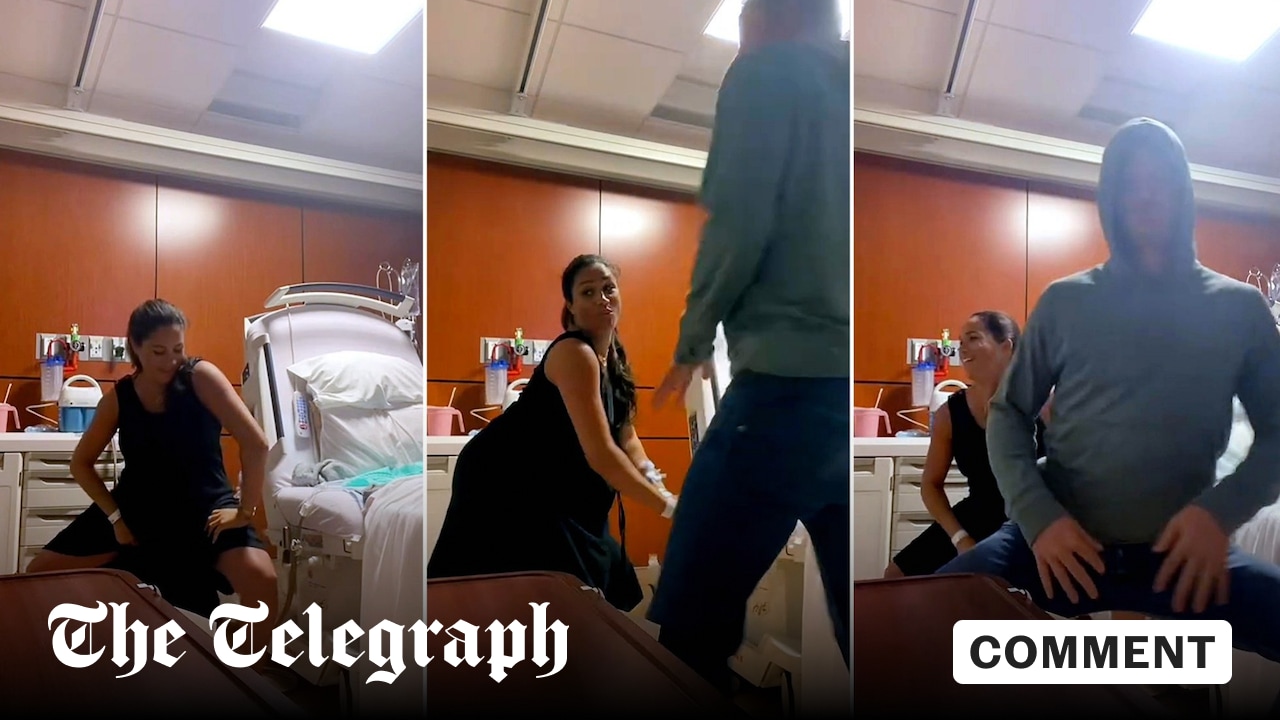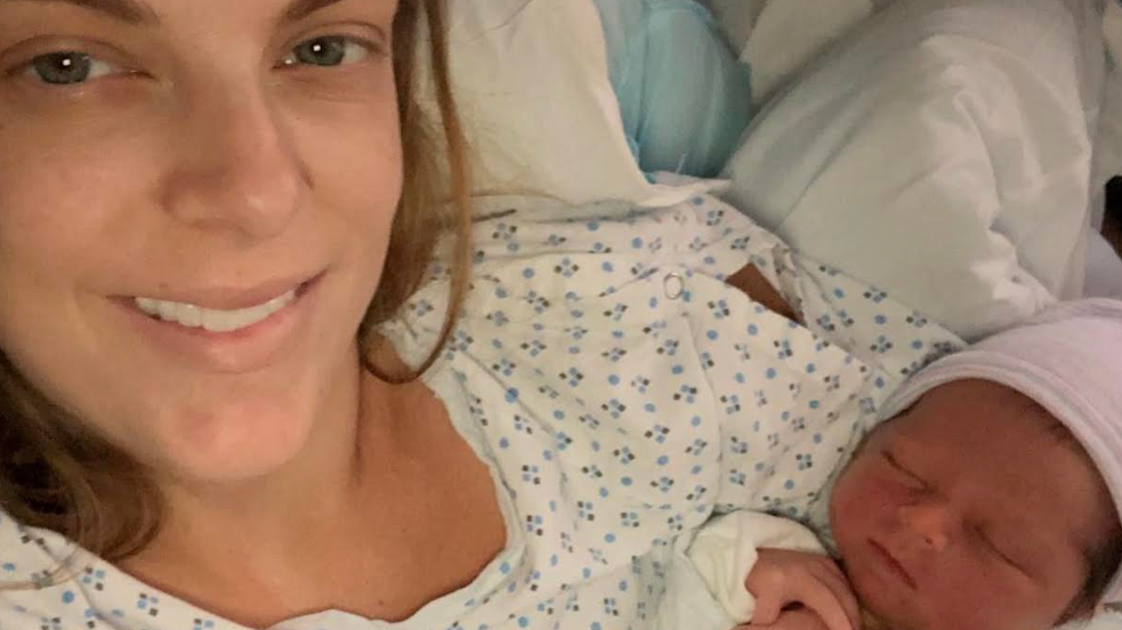
Moments after my daughter’s birth, I was in tears, though not the kind I was expecting. My wife, Meghan, had just endured a grueling 18-hour labor, and I was standing at the foot of her bed as the doctor retrieved a ruddy, shrieking alien from between her legs and placed it in her arms.
“She’s certainly vigorous,” the doctor said, her voice overly upbeat. “At least you won’t have to worry about her not communicating her needs.”
For the first several hours of her life, Juniper didn’t stop making her needs known. A nurse led us to a fluorescent-lit room barely wide enough for two beds and closed the door, trapping the cries — and us — inside.
From the outset, breastfeeding went poorly. We were harvesting colostrum like a rare earth mineral and feeding it to Juniper through a syringe. We tried swaddling her, but she easily wriggled free. Eventually, Meghan pressed Juniper against her body, hoping that one of skin-to-skin’s seemingly mystical qualities included temporary paralysis (it didn’t).
Outside, the sky was a perfect June blue in Seattle, the Olympic Mountains jutting out clear and white against the horizon. I thought about how, just a few days prior, Meghan and I had watched a breakdance performance at the Neptune Theatre, gone out for Indian food, bought Kewpie mayo at Costco. The modest makings of a life I’d now give anything to reclaim.