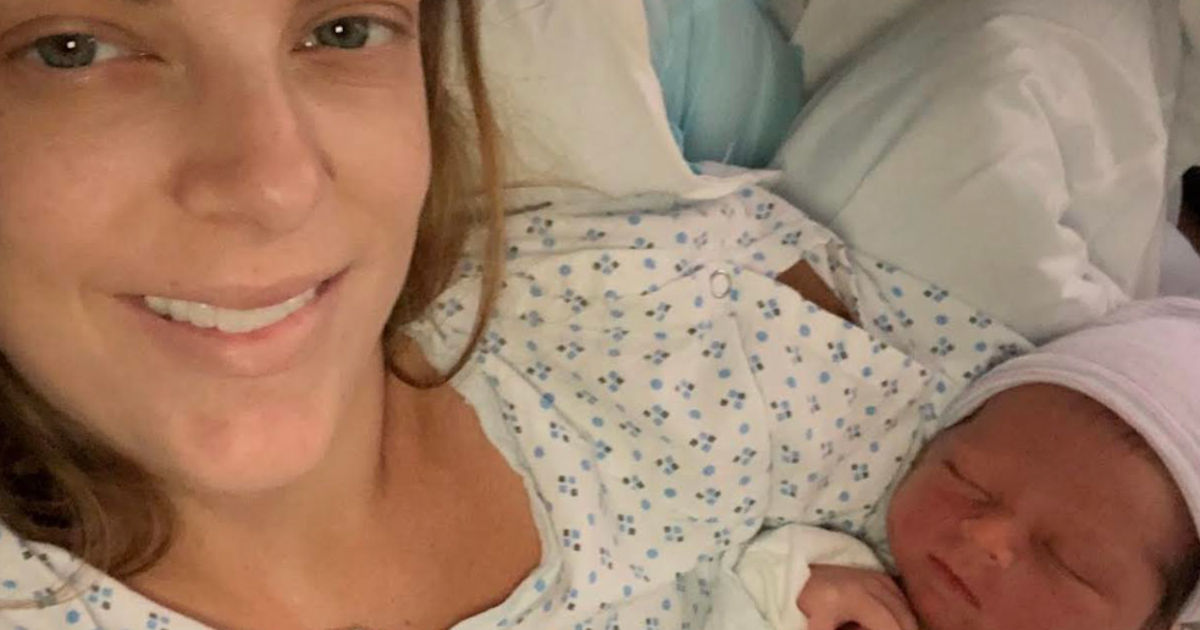
When I was 6 weeks pregnant, my husband, Ben, and I found ourselves in the harsh glow of our obstetrician’s office, anxiously awaiting the chance to get a glimpse of our little one on the ultrasound screen for the first time. She was barely the size of a lentil, but within that lentil was endless possibility — and also the potential for heartbreak.
Four months earlier, I had walked into a routine obstetrician appointment and been told that our nearly 18-week-old fetus had no heartbeat. One moment she was with us, the next she was gone, her life extinguished so quietly that I hadn’t even noticed it slipping away. The doctor called it a “missed miscarriage.” I wondered who missed it? Was I supposed to notice something was wrong, and if I had, what was I supposed to do about it? Could someone have saved her? Was that someone me?
Now I was back in my OB’s office with a new baby inside me, and while the fluorescent lights hummed overhead, the receptionist slid a clipboard of paperwork across the counter in my direction. Among the forms was the Edinburgh Postnatal Depression Scale (EPDS) — a short list of 10 assertions meant to measure the state of my mental health.
I’ve been able to laugh and see the funny side of things. Yes, most of the time.