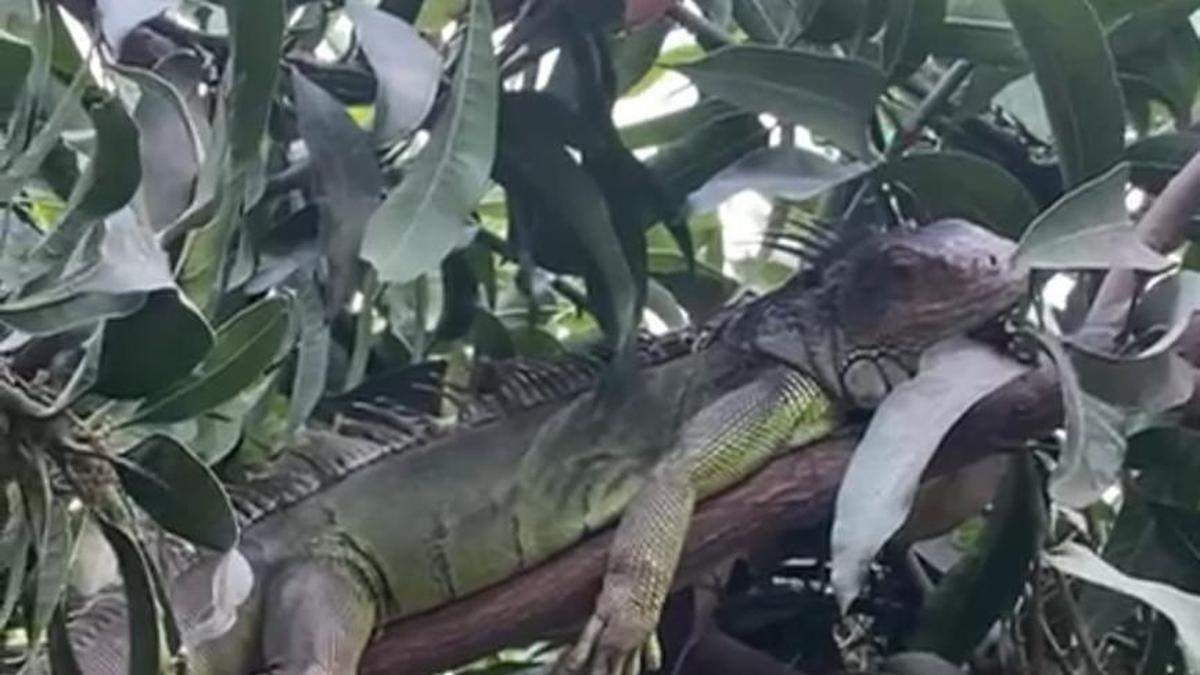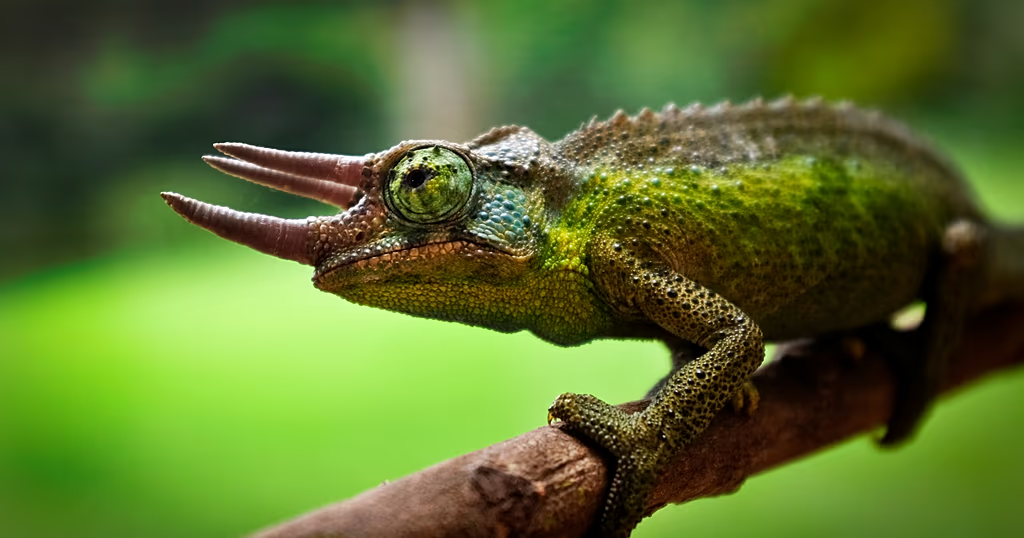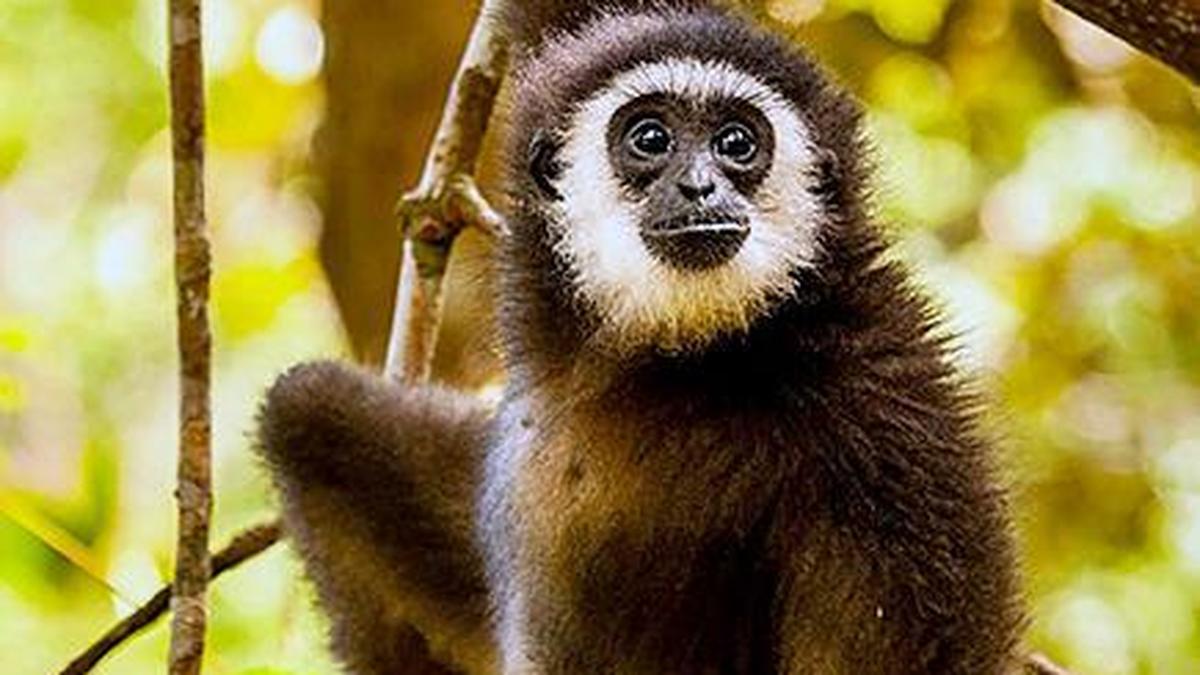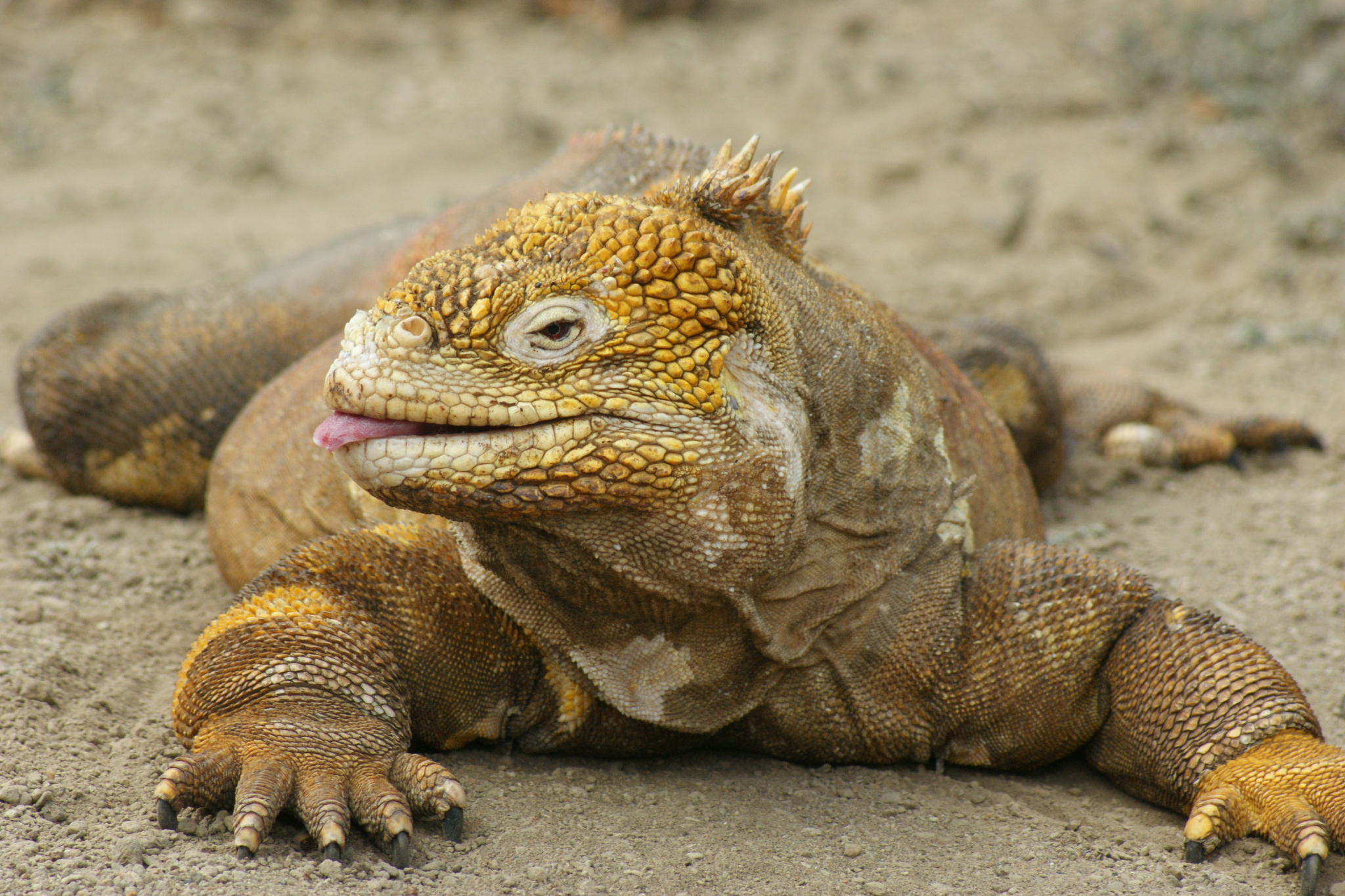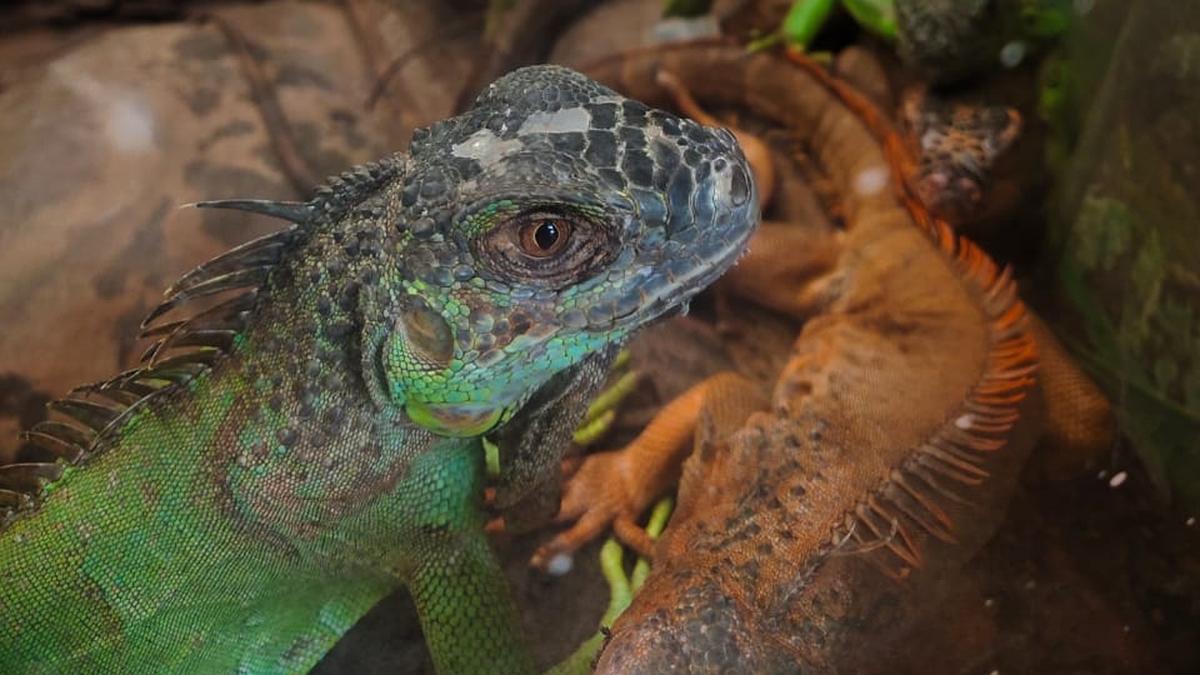
The booming trade in exotic species in India, could potentially cause invasive species to take over landscapes in Tamil Nadu, warn researchers who analysed the species composition of pet stores selling exotic pets in the StateUsing modelling techniques to study habitat suitability for species like the Green iguana (Iguana iguana), which has already become an invasive species in parts of North America, researchers have cautioned that exotic species, if not managed correctly, could end up taking over large parts of ecosystems in the country, pushing out native wildlife in the process. The study has garnered significant attention, in the light of the recent video of a Siamang gibbon, an endangered species, escaping from a house in Chennai.In an investigation of pet shops in Tamil Nadu, researchers discovered the sale of 148 different species of birds, mammals, reptiles, arachnids and fish, out of which 11 have been found to be endangered, 15 classified as ‘vulnerable’ and three as ‘near threatened’ by the International Union for the Conservation of Nature (IUCN).The exotic species, many of which are on the decline in their native habitats across the world, are being sold increasingly in pet stores across India, said N. Moinudheen, an independent biologist from the Nilgiris, who along with researchers K. Rishi, A. Abinesh, M. Saran, E. Vignesh, A. Shree, M. Shahir, P.S.Edward, A. Samson and N. Sadiq Ali, conducted the study. Their findings, titled “Silent Invaders: Biodiversity at risk, social media findings into exotic pet trade in Tamil Nadu and invasion modelling of Iguana iguana,” was published in Acta Zoologica Lilloana, an open-access, peer-reviewed scientific journal recently.The researchers analysed videos on video-sharing platforms and discovered that 148 exotic species were being sold in 115 shops across the State.The study modelled the potential threat of another popularly sold species - the green iguana, becoming invasive in parts of the country, with the results showing that the species could acclimatize to a wide array of habitats, including parts of the Western Ghats, Eastern Himalayas and coastal regions.While the trade in many of the species being sold in the pet shops are regulated by the Convention on International Trade in Endangered Species of Wild Fauna and Flora (CITES), the breeding and trade of the species once they enter Indian borders is often not controlled or monitored, argue experts studying the wildlife trade in India.Speaking to The Hindu, one such researcher studying the trade in exotic pets in the country, requesting anonymity, said that exotic pet traders need only CITES clearances from the country of origin from where the species are being imported from, as well as clearances from the Chief Wildlife Warden of the concerned State into which they are being brought into as well as from the Directorate of Foreign Trade. “Once they enter the country, the local forest departments, which should be monitoring and regulating the breeding and sale of these animals, mostly fail to intervene due to them not being clear about laws regulating the trade in exotic wildlife,” he said.The species being traded in pet stores across the State, have shown declines across their native habitats, the authors note. “Agapornis fischeri (Fischer’s lovebird), once common in north-central Tanzania, has experienced a major population decline primarily due to wild bird trade,” the authors note, adding that other species being traded in India, such as the Burmese python “have declined due to harvesting for food, skin, and the pet trade, with over 300,000 exported to the U.S. since 1980.”The analysis shows many species involved in the exotic pet trade in India are either listed under CITES Appendices II and III or not listed at all. Only one reptile species, Cyclura lewisi (Blue iguana), is under Appendix I, which highlights the limited representation of highly protected species. A large number of traded species fall outside strict international regulation, increasing the risk of illegal trade and poor monitoring, they added.A prominent Tamil Nadu-based conservationist said while the number of exotic pets being traded in the open markets were startling, that these were just the tip of the iceberg. “You can see with the recent escape of the gibbon in Chennai, there could be a whole market for exotic species that is completely underground with no means of surveillance. This shows that our enforcement agencies are ill-equipped or have not prioritised dealing with animal trafficking and trade, which could put native ecosystems at risk, as well as jeopardize the futures of several exotic species that continue to be trafficked from the wild,” he said.
Researchers warn of invasion from exotic pet species in Tamil Nadu due to trade
Researchers warn that the booming exotic pet trade in India could lead to invasive species dominating ecosystems in Tamil Nadu.
748 words~3 min read