This article is part of HuffPost’s biweekly politics newsletter. Click here to subscribe.
If you want your Fourth Amendment rights to mean something in America, you better not be Latino or Hispanic. Or look like you are. Or sound like it. Or work a job that some random ICE agent you have never met before thinks is an indicator of your legal citizenship status.
And if that sounds like dystopian hyperbole, it isn’t. Not as of this week.
In an unsigned order on Monday, the Supreme Court’s conservative majority ruled to halt a lower court order that had found that certain criteria used by federal immigration agents conducting raids in Los Angeles violated Fourth Amendment protections against search and seizure without reasonable suspicion.
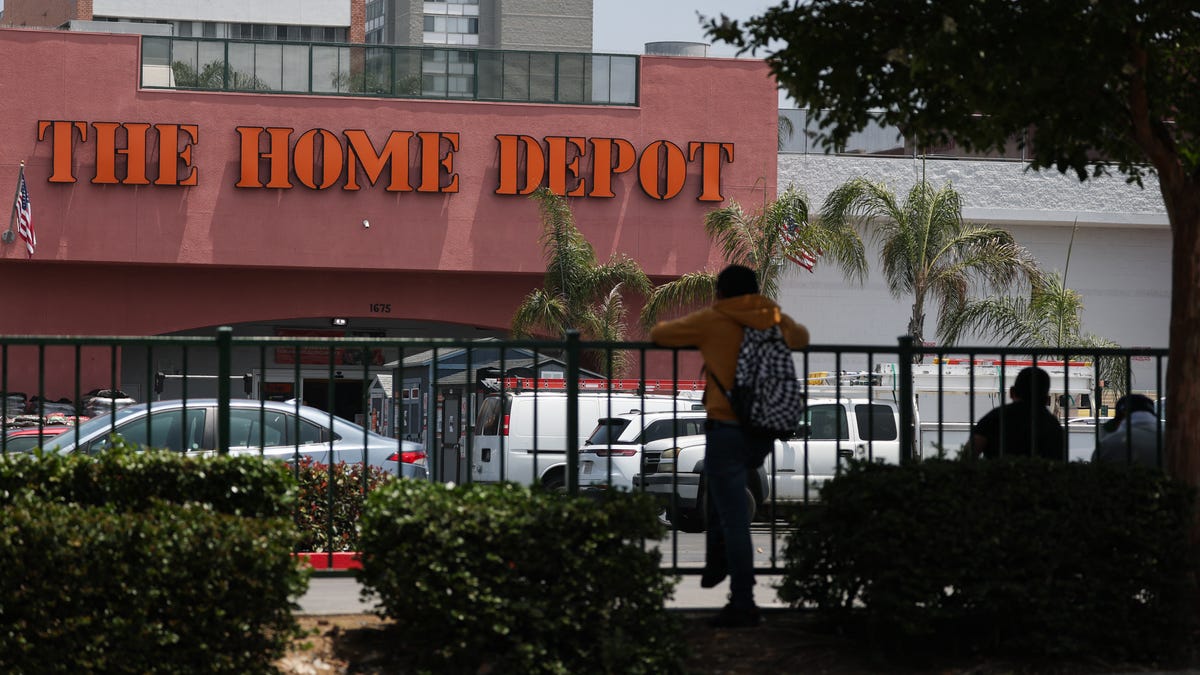
That order, from U.S. District Judge Maame Frimpong in July, had prohibited ICE agents from stopping or arresting people in Southern California based on four factors: their apparent ethnicity, whether they spoke Spanish or had an accent, whether they were in a certain location where immigrants may gather, or if they worked a job considered common to undocumented immigrants. An appellate court upheld Frimpong’s order in August, prompting Trump administration lawyers to scurry to the Supreme Court and demand emergency intervention.