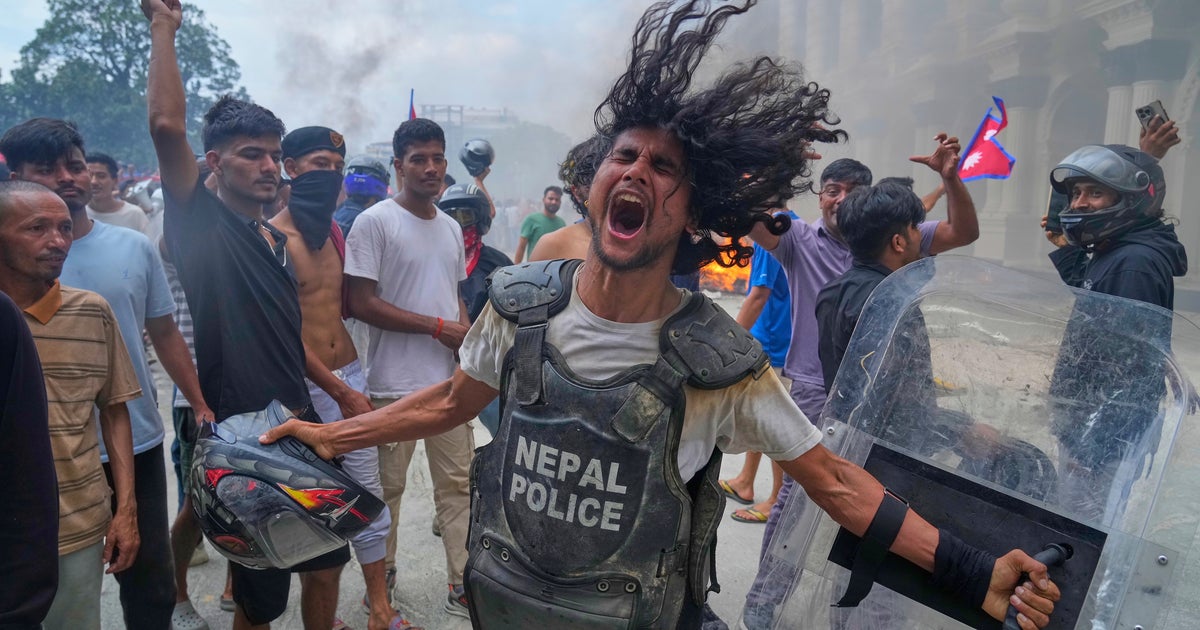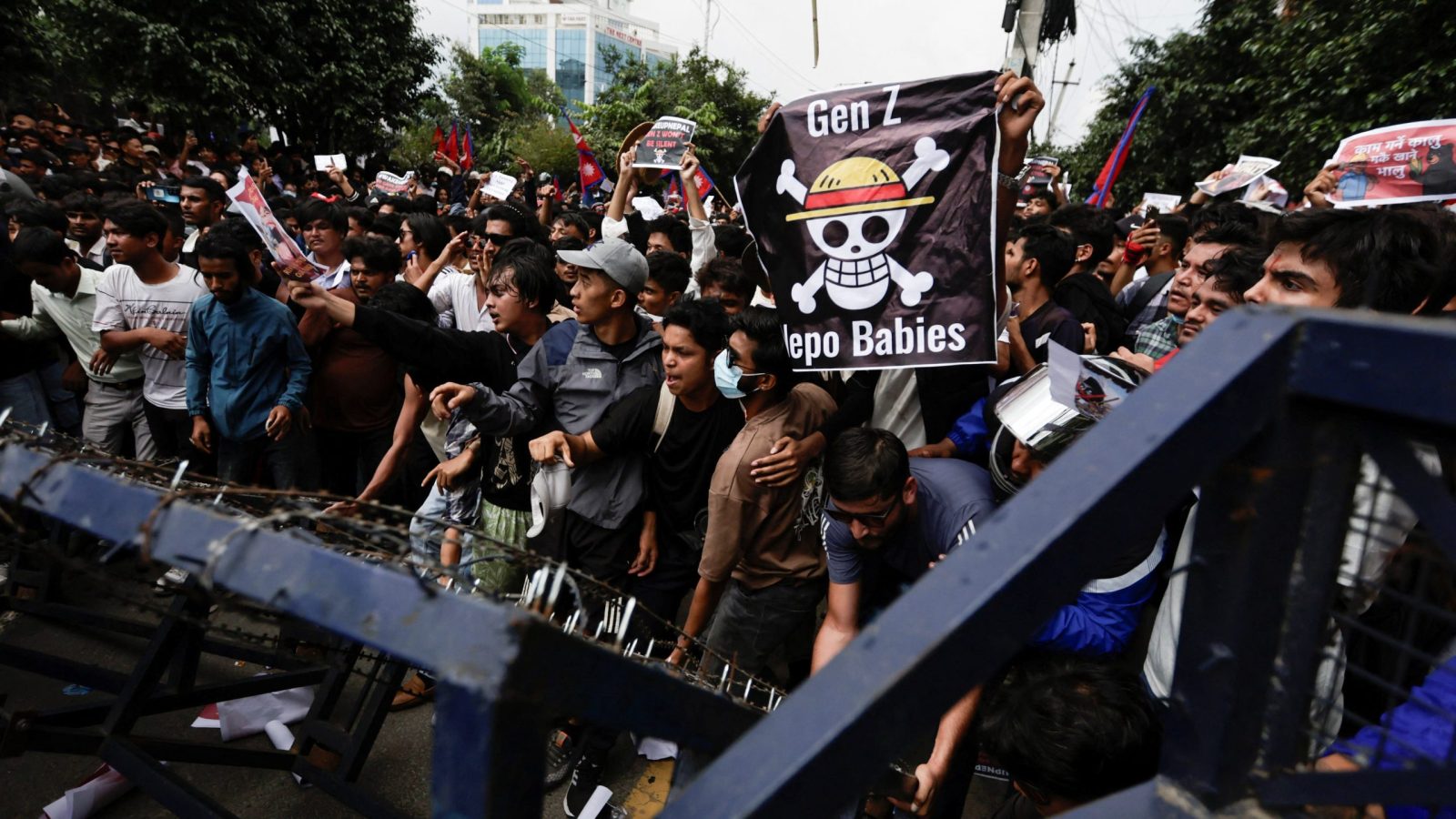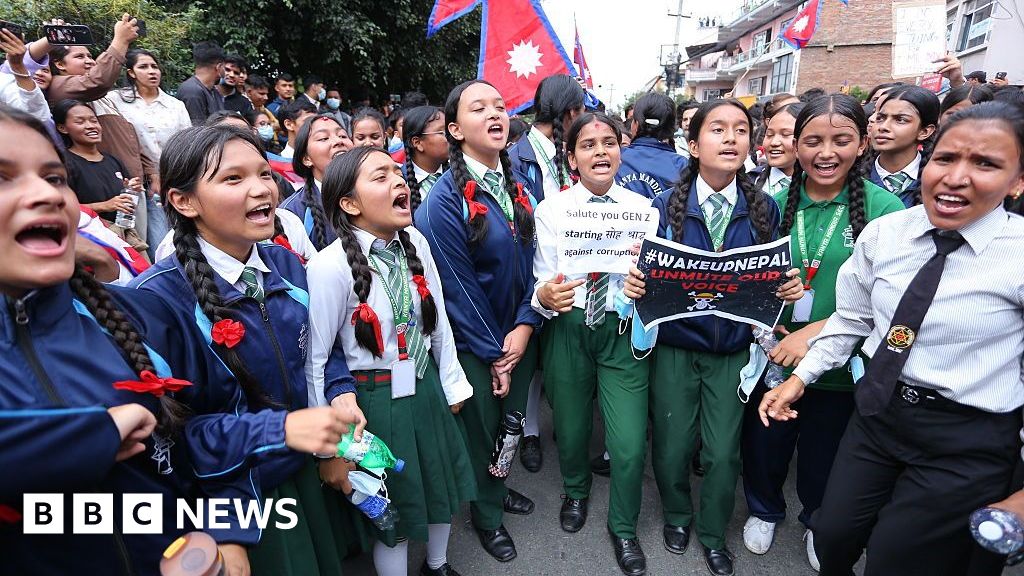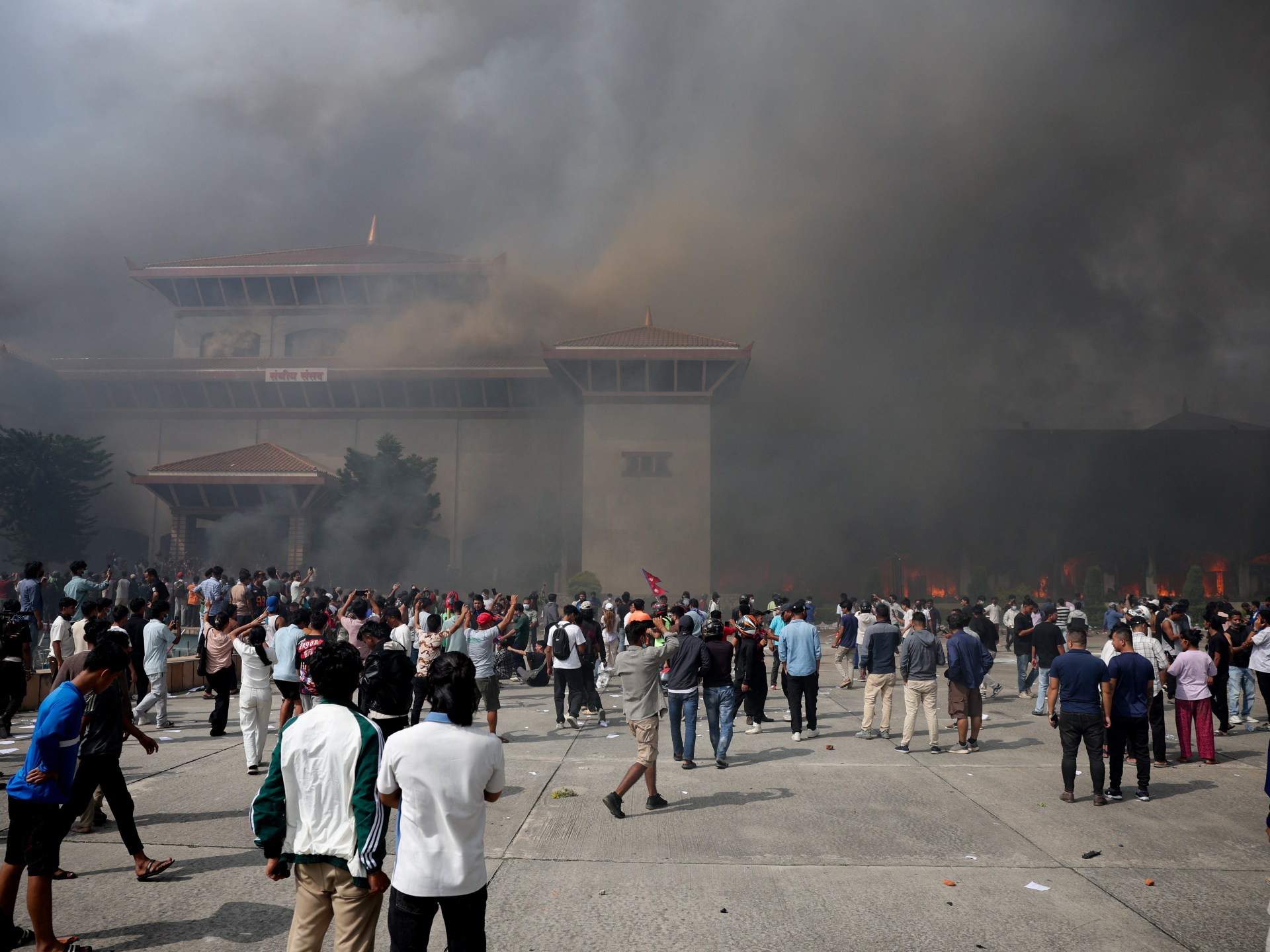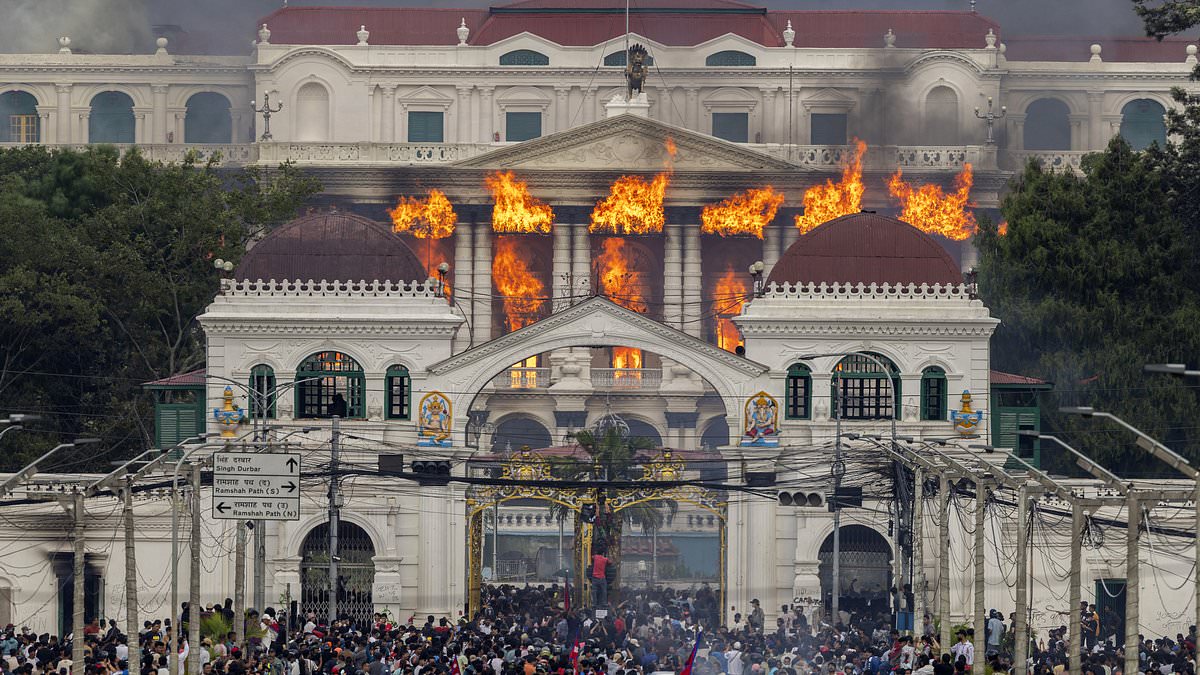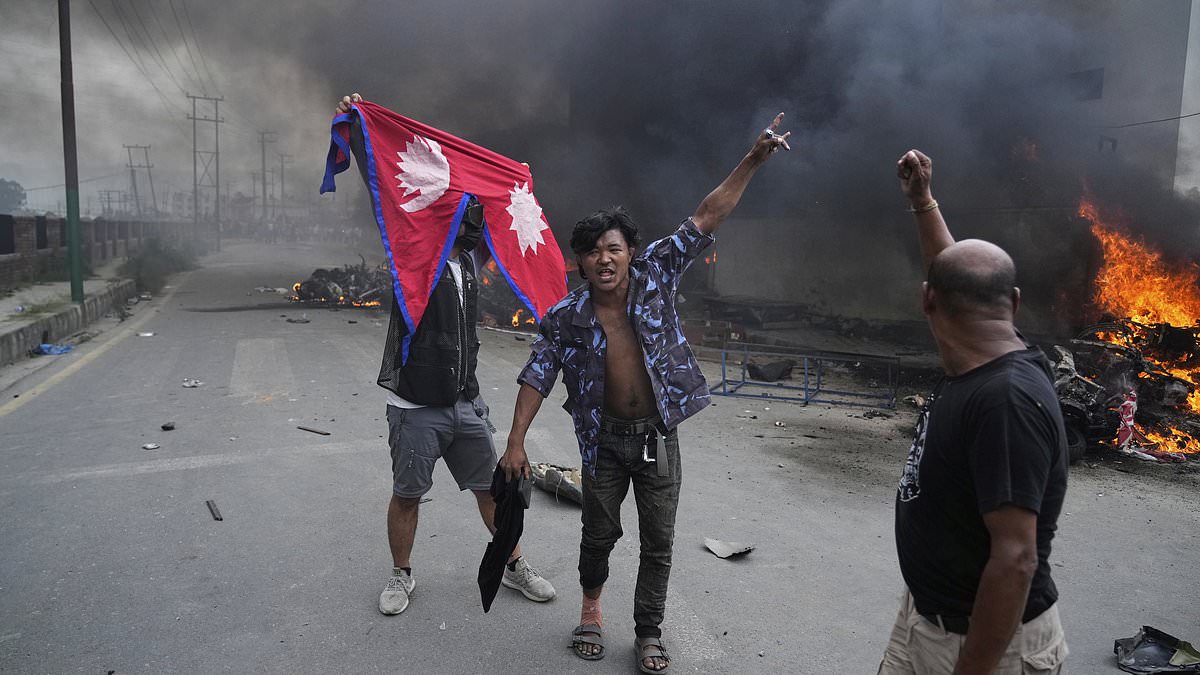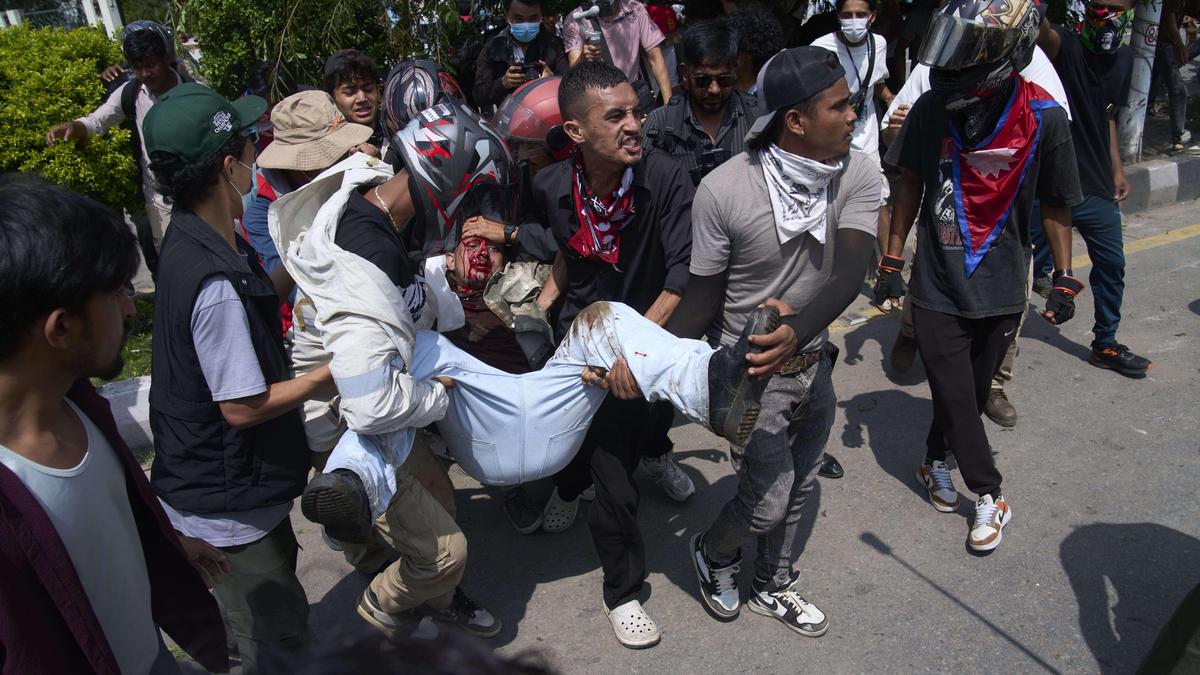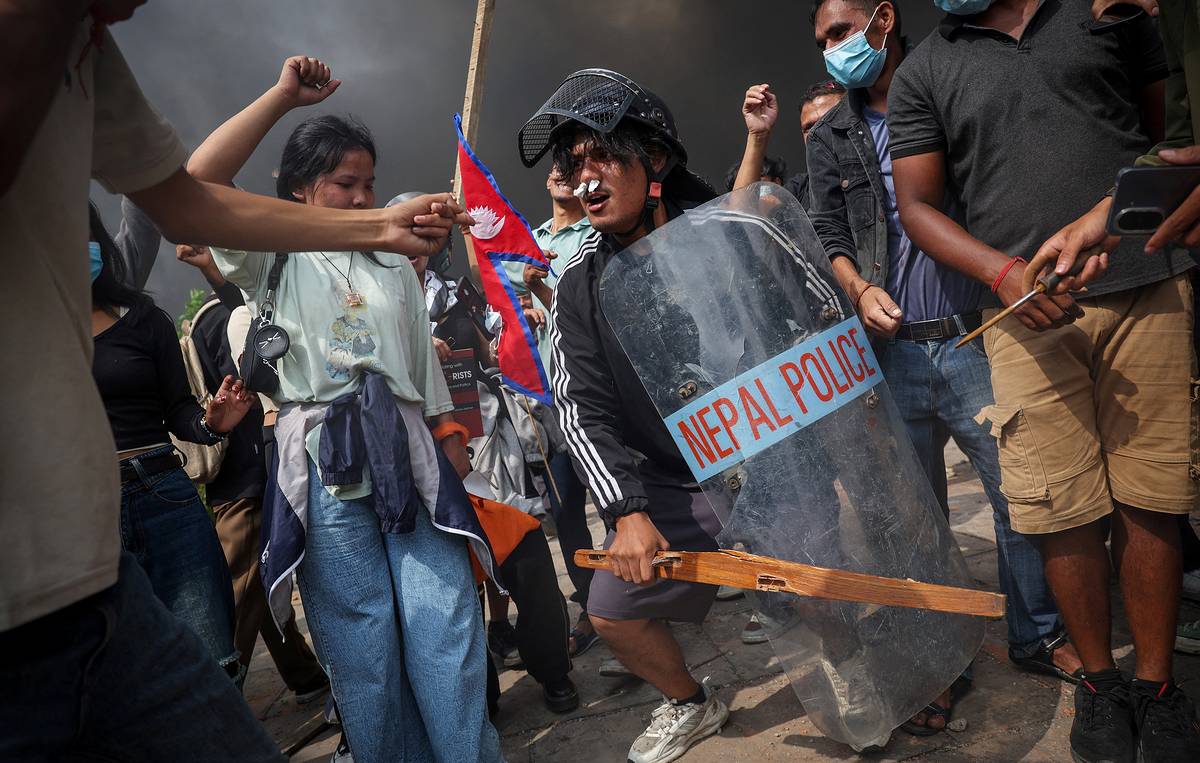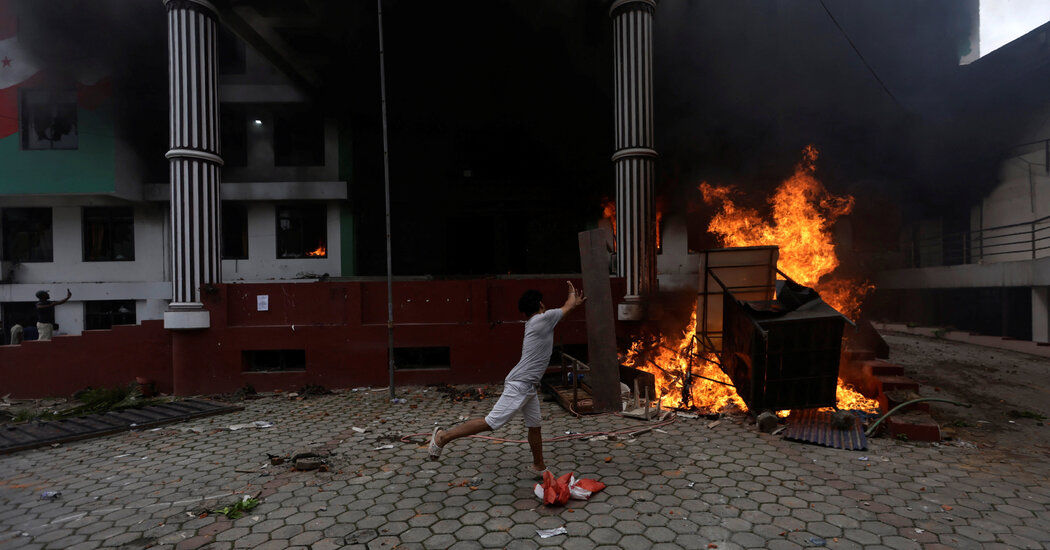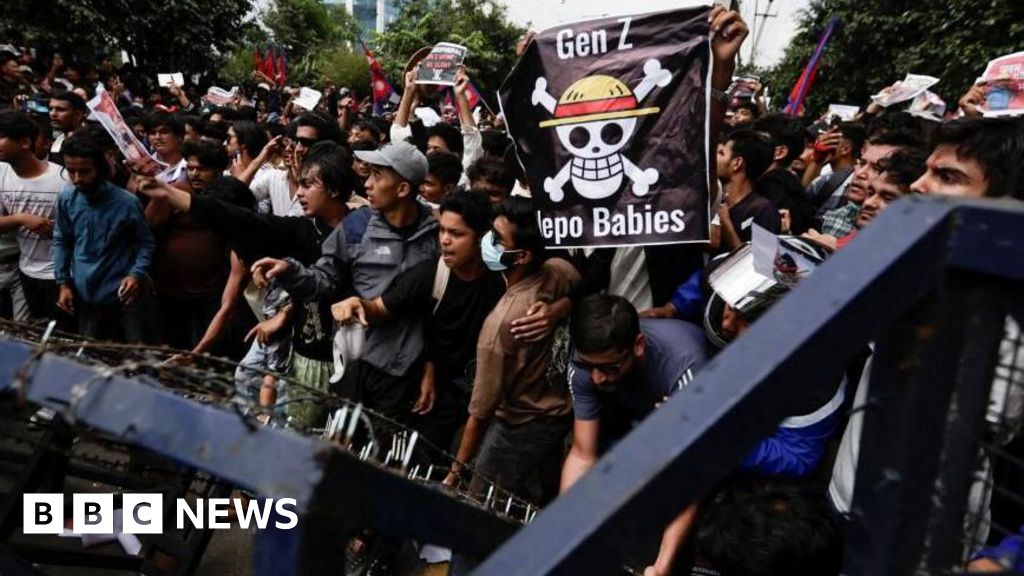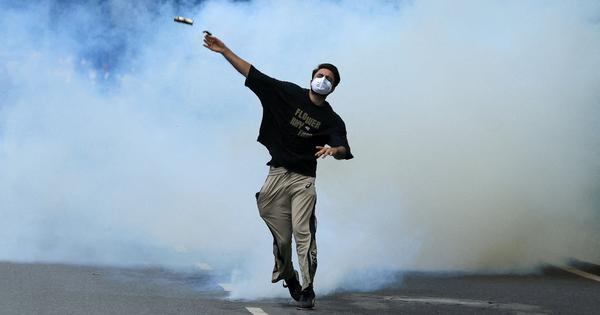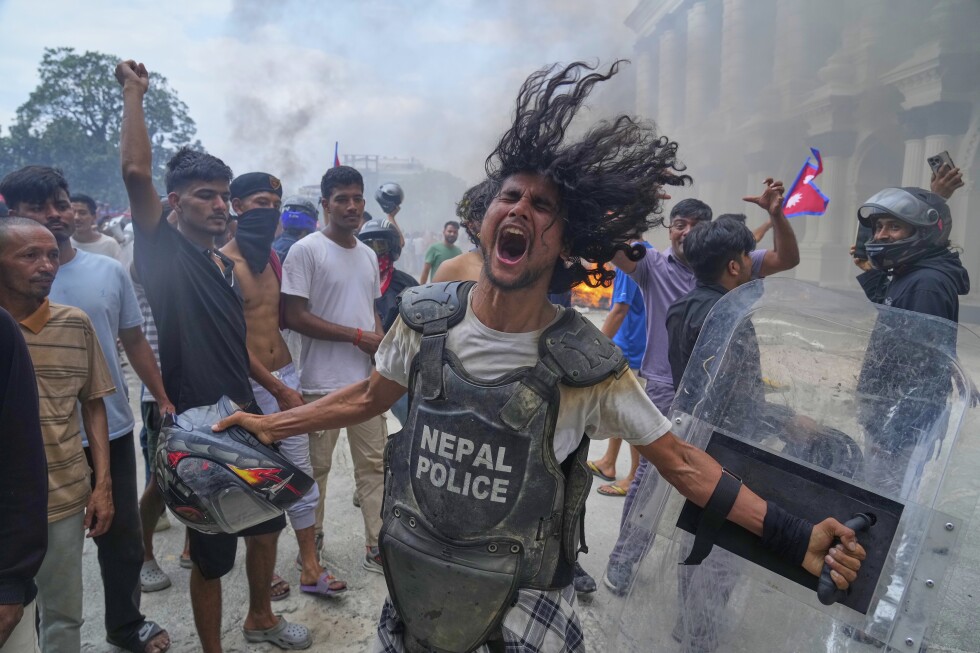
NEW DELHI (AP) — The swelling wave of public anger first swept through the island nation of Sri Lanka in 2022 and ousted the president. Two years later, it erupted in Bangladesh as protesters toppled the ruling government. On Monday public fury exploded in Nepal, forcing its prime minister to resign a day after.Each protest movement began with a specific grievance that flared up, ending in the rejection of the government or its leaders.In many ways, the protest movements share a common feature: disillusioned peoples’ resentment against the ruling elite and an entrenched political system they hold responsible for rampant corruption, deepening inequality and economic disparities. Often led by young people, the protests have sparked deadly violence and sometimes left behind a political vacuum filled by unelected leaders and a worsening law and order situation.
“A perception of ruling elites as being both corrupt and ineffective at delivering a plausible path forward has created a structural basis for major crises,” said Paul Staniland, a politics professor specializing in South Asia at the University of Chicago.
The swelling wave of public anger first swept through Sri Lanka in 2022 and ousted the president. Two years later, it erupted in Bangladesh as protesters toppled the ruling government. On Monday, public fury exploded in Nepal, forcing its prime minister to resign a day after.