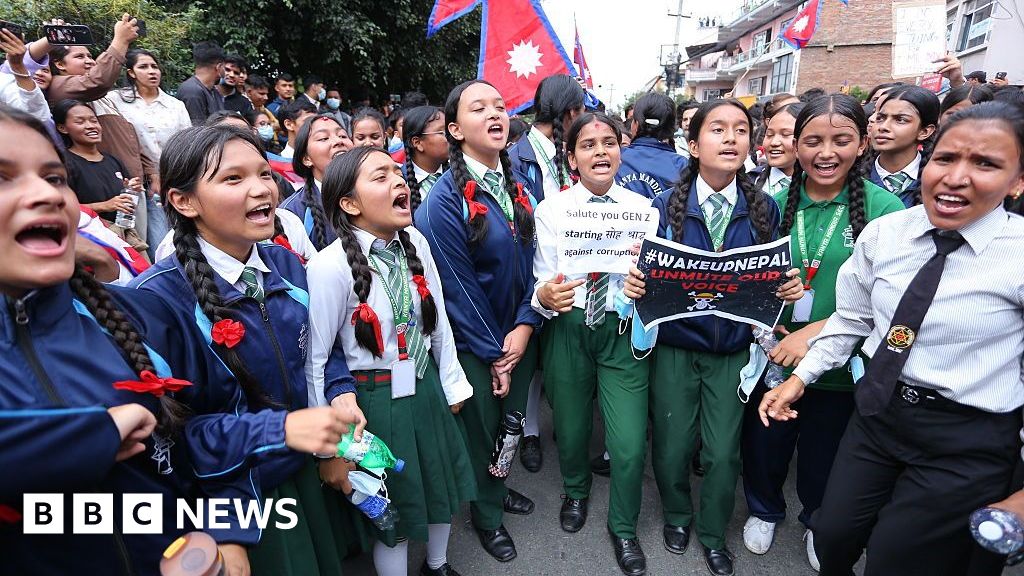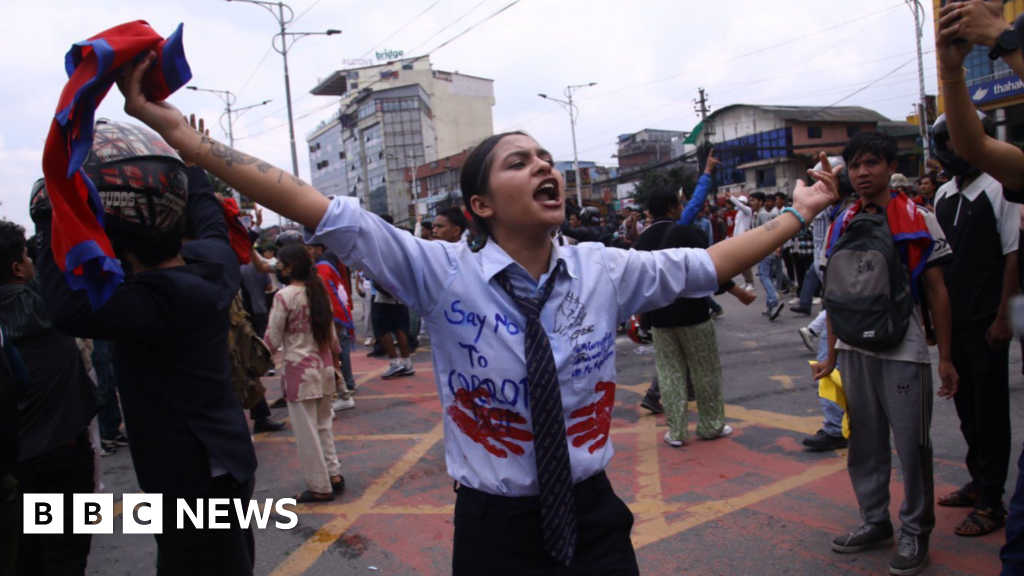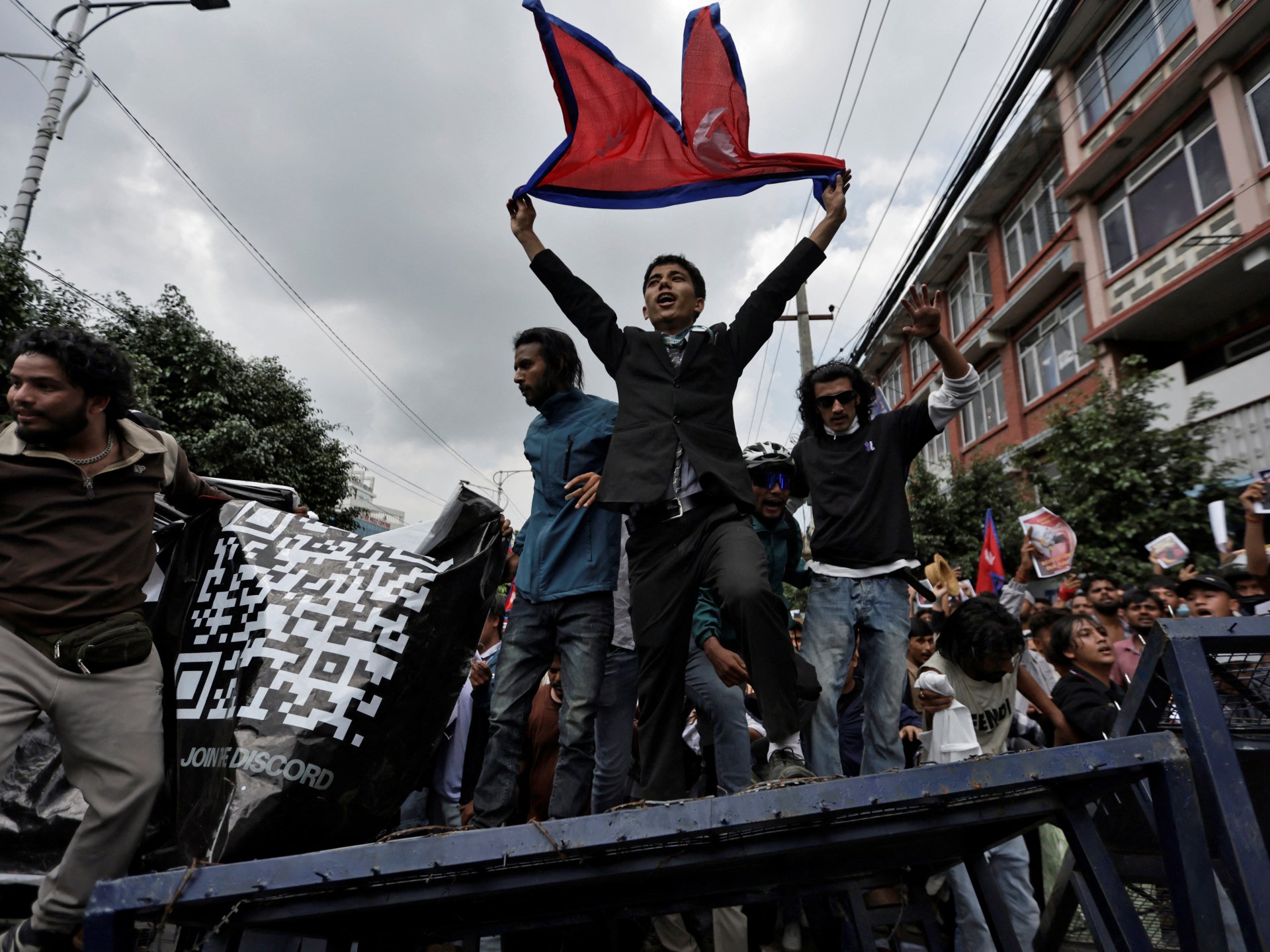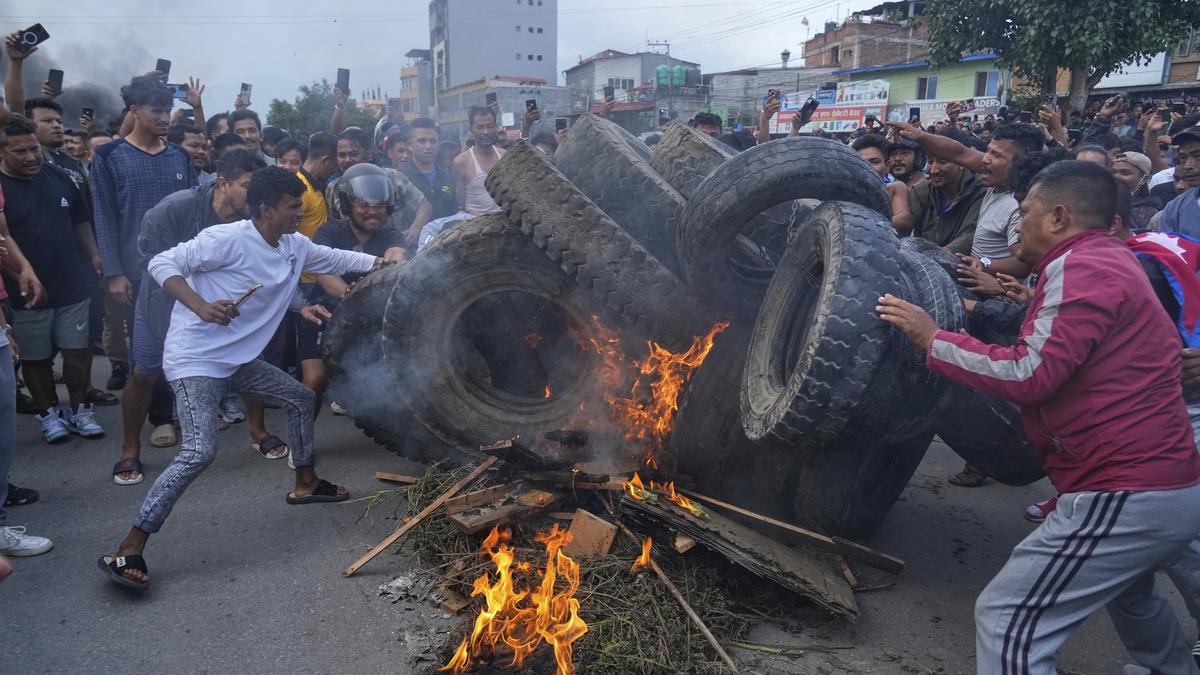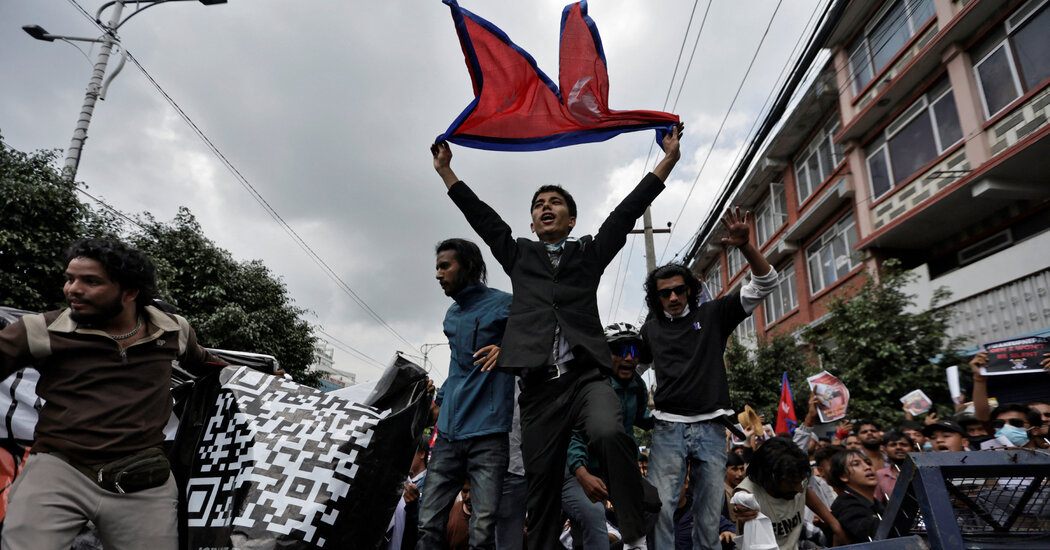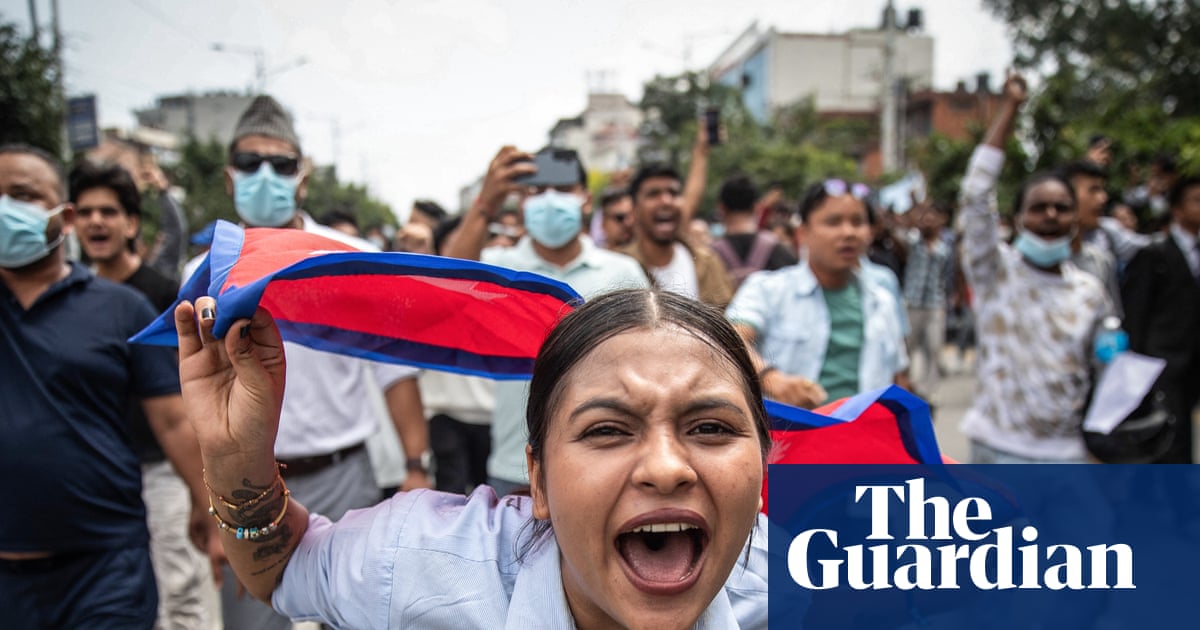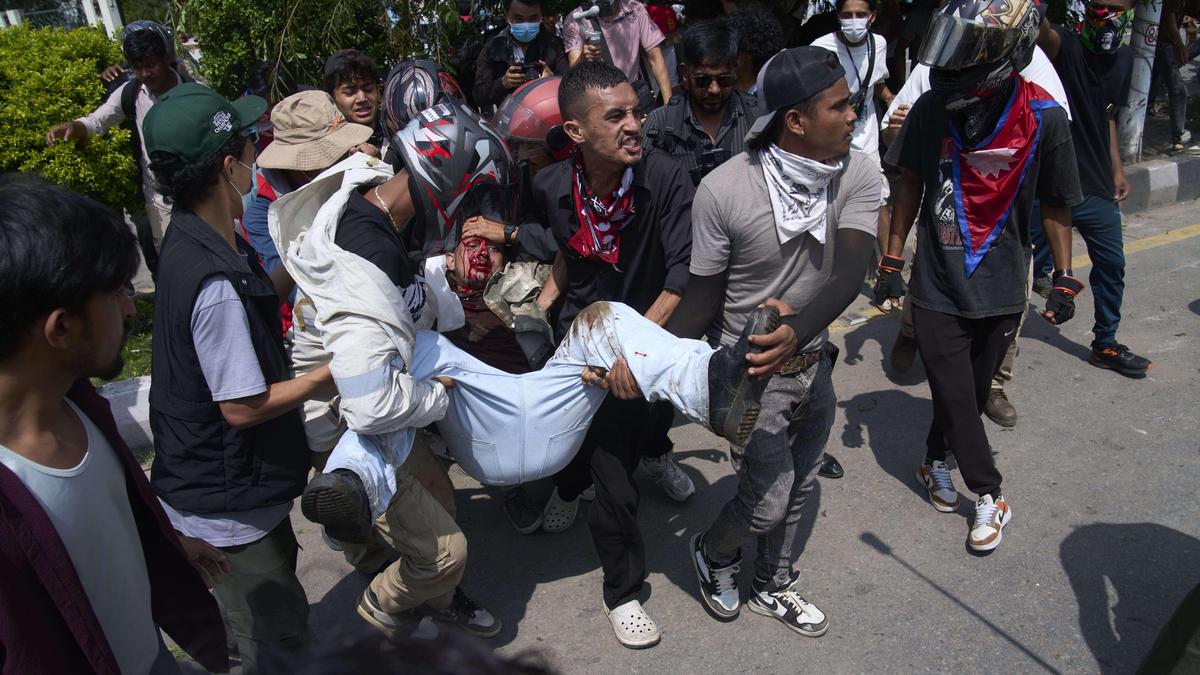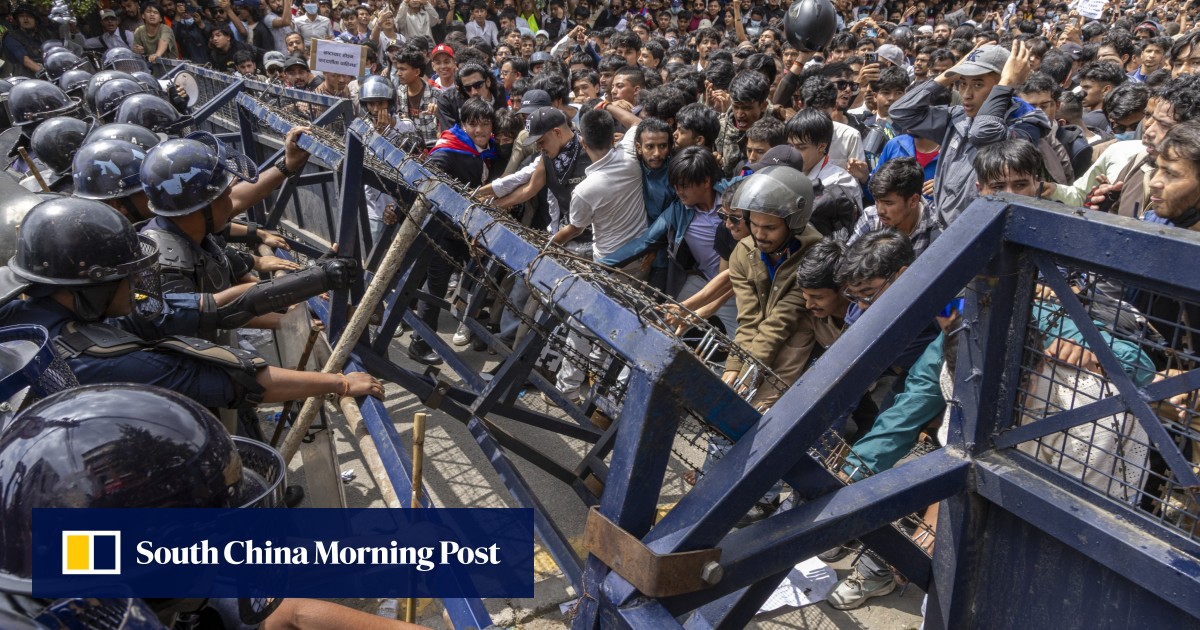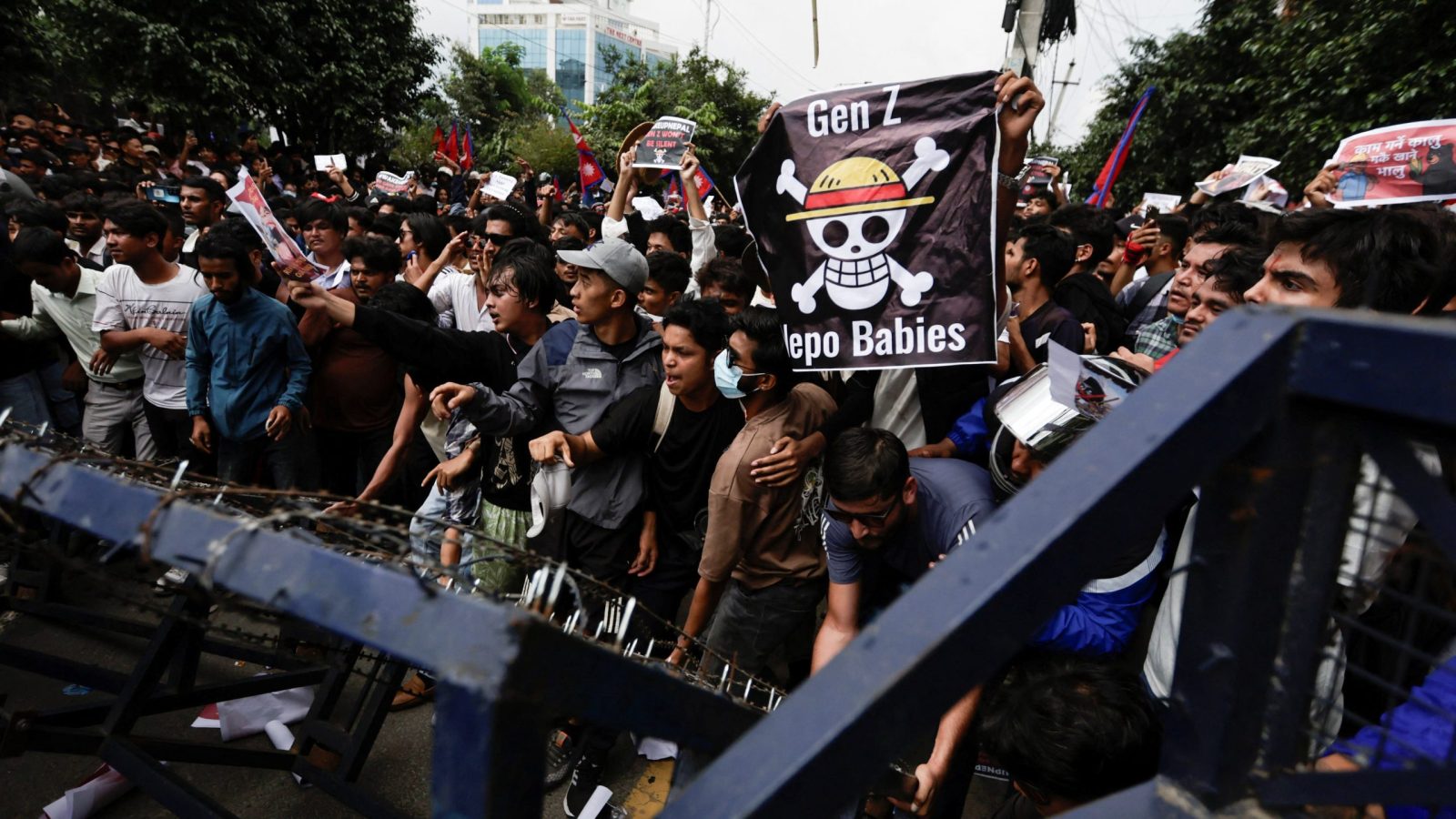
Nepali Prime Minister KP Sharma Oli has resigned following two days of protests against rampant corruption and inequality, exacerbated by the government’s recent decision to ban some social media platforms in the country.
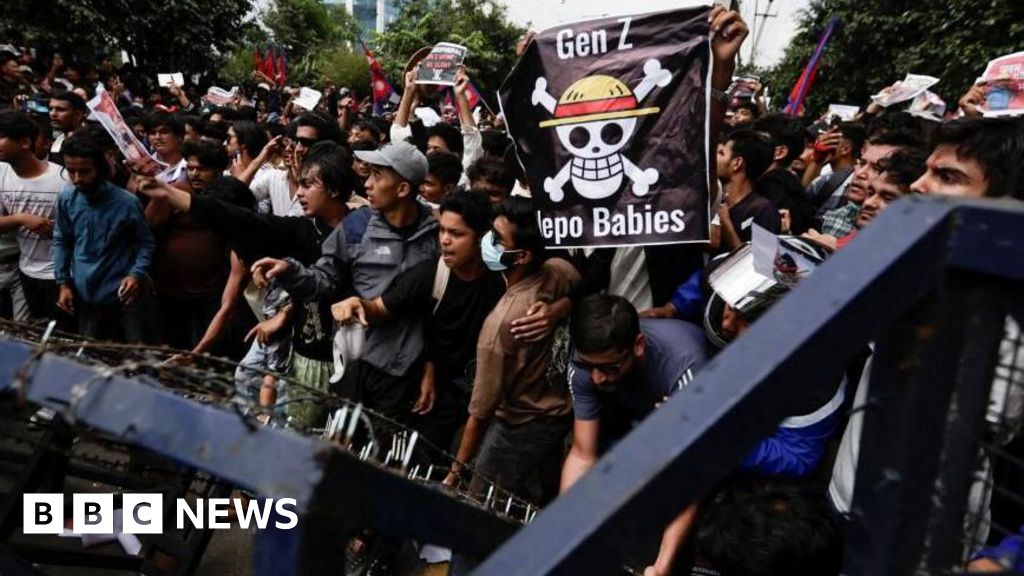
Last week, Nepal announced a ban on 26 social media platforms, including Meta’s Facebook, WhatsApp, and Instagram, which failed to comply with local registration requirements. But even weeks before the ban, there was discontent simmering on social media platforms over corruption by government leaders and a campaign to publicly shame influential children of the rich and powerful in the country.
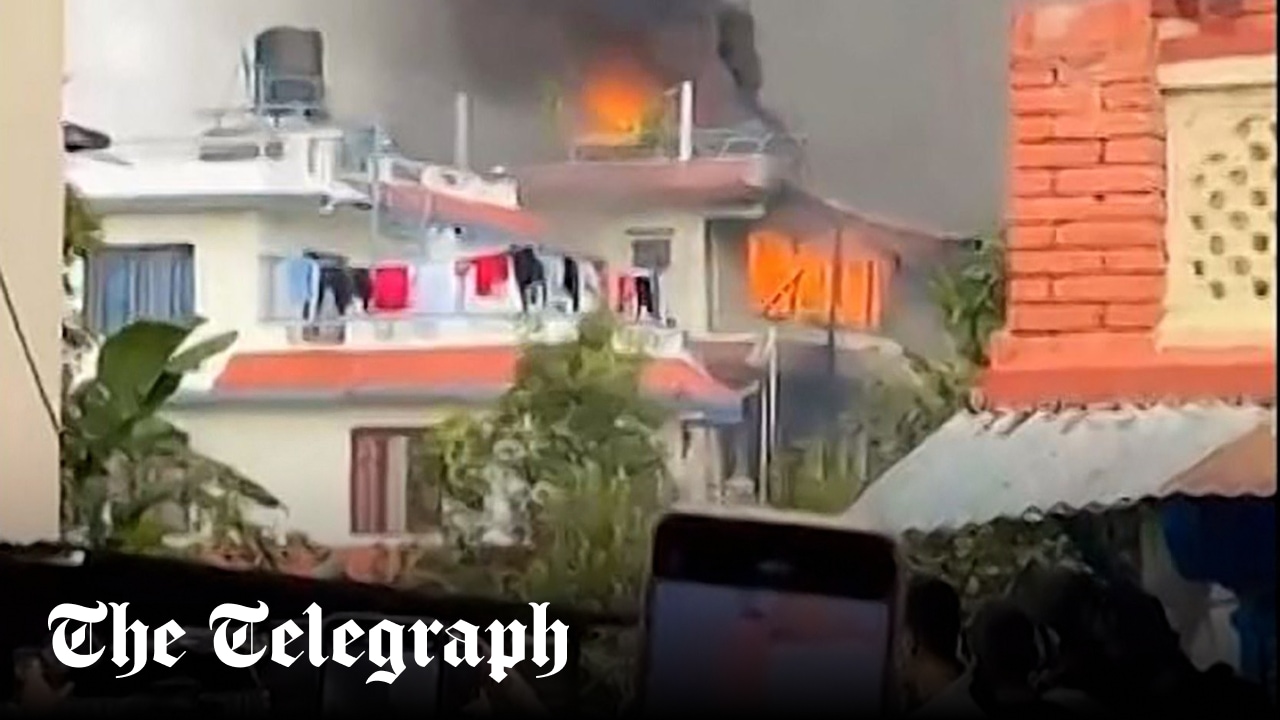
The online campaign soon transformed into protests — which were proposed as peaceful demonstrations — in the capital city Kathmandu and surrounding areas. But by the end of the day on September 8, 19 people were killed and more than 300 were injured as police fired tear gas and rubber bullets to control the crowds, local media reported. The ban on social media apps was lifted late on September 8 following the deaths of young protesters.
“What unfolded in Nepal is a stark reminder that digital repression and the violation of human rights are increasingly becoming part of the playbook of both democratic and authoritarian regimes,” Felicia Anthonio, #KeepItOn Global Campaign Manager at digital rights nonprofit Access Now, told Rest of World. “This is unacceptable and cannot be treated as business as usual.”