Jacintha was at her wits' end. Her daughter was struggling, and they had tried everything ‒ two types of antidepressants, years of talk therapy and weeks of an intensive outpatient program.
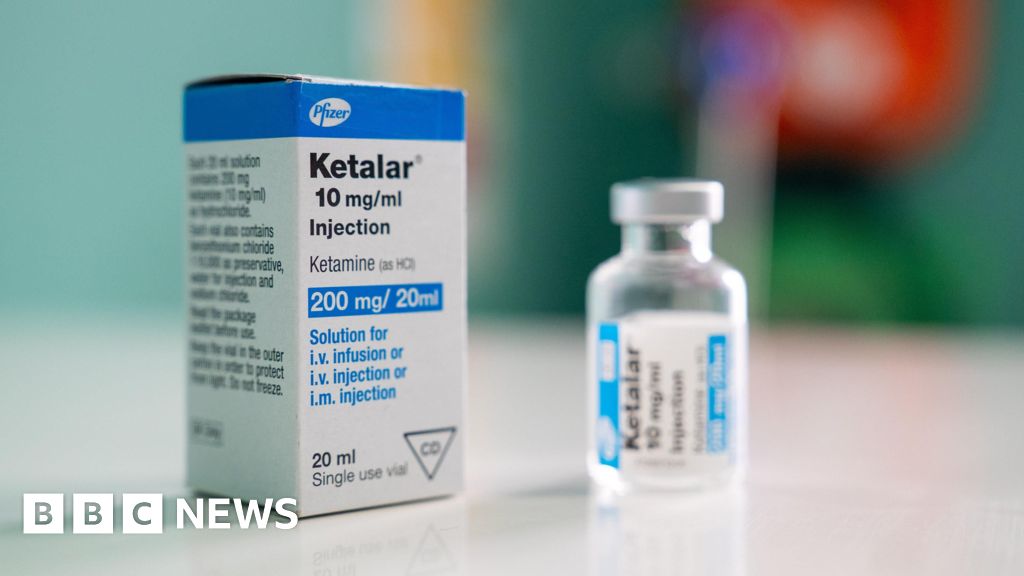
She was frantically Googling one night when she came across an article about ketamine therapy. Jacintha, a horseback rider, was familiar with ketamine as a horse tranquilizer but had never heard of it as a last-stop mental health treatment for treatment-resistant patients like Lucy, who was diagnosed with depression, obsessive-compulsive disorder and post-traumatic stress disorder.
There was only one thing: Most ketamine users are in their 30s or older. Lucy was just 16.
“When people are desperate, you're ready to take desperate measures,” says Jacintha, who asked that we withhold her last name to protect her daughter's medical privacy. “I think any parent who sees their child struggling as hard as Lucy was struggling would want to do that.”
Ketamine therapy has been gaining popularity in recent years and, in select cases, has been used to treat young people. Doctors say it can provide life-saving support in instances where other medications have failed, but there are risks involved, including the potential for dependence when improperly administered. Despite the potential dangers, some young users and their families say trying the controversial therapy is preferable to being stuck in the status quo.Dozens of commenters on Reddit talk about seeking out care for minors, but most USA TODAY spoke with declined to go on the record for fear of stigma.