Some patients have discovered their private confessions are being quietly fed into AI.
In Silicon Valley’s imagined future, AI models are so empathetic that we’ll use them as therapists. They’ll provide mental-health care for millions, unimpeded by the pesky requirements for human counselors, like the need for graduate degrees, malpractice insurance, and sleep. Down here on Earth, something very different has been happening.
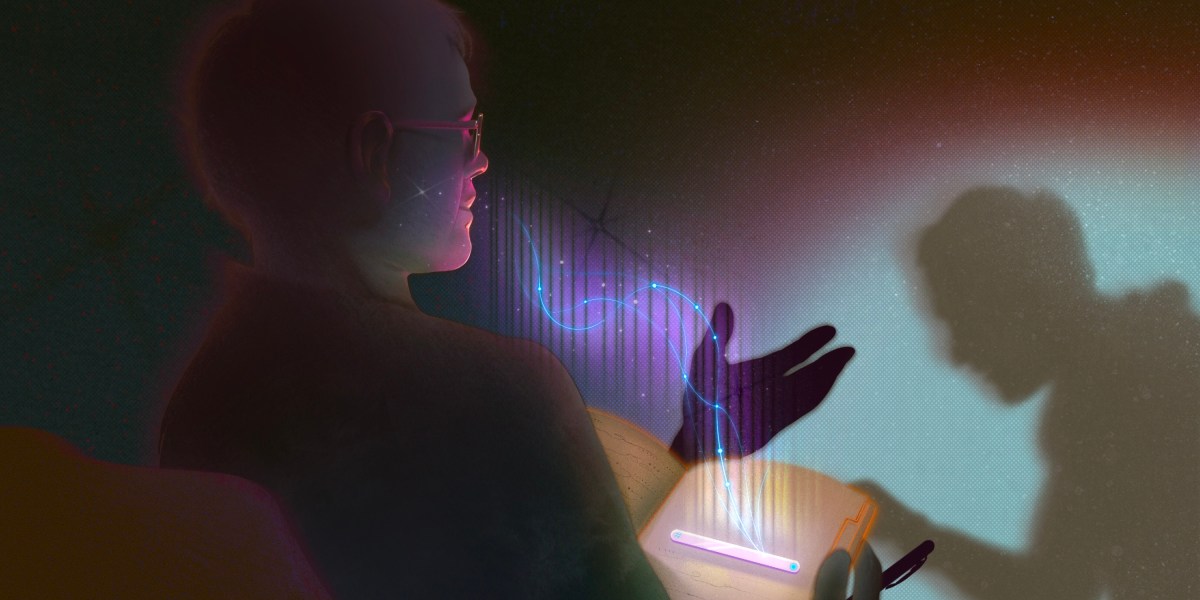
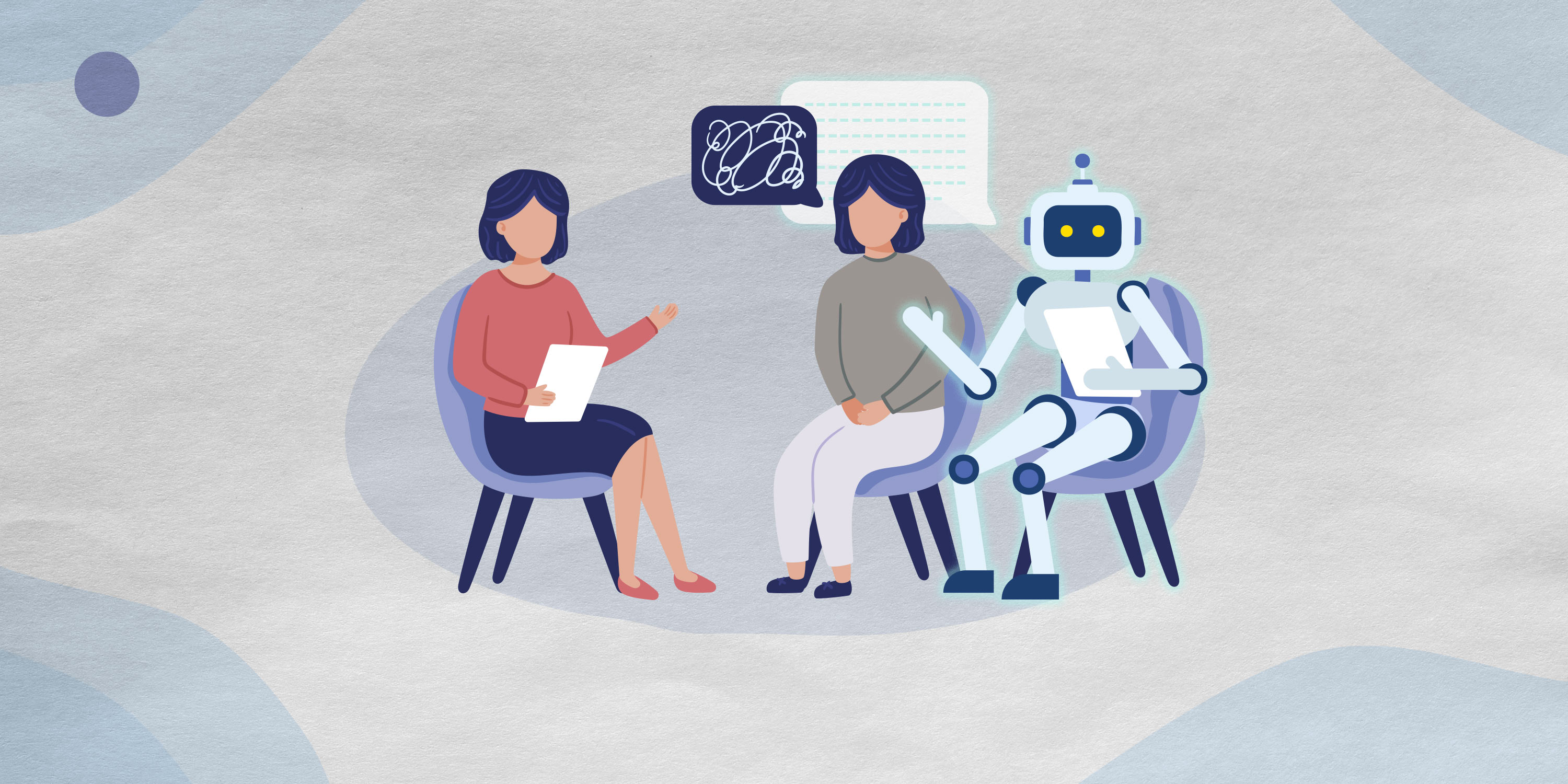
Last week, we published a story about people finding out that their therapists were secretly using ChatGPT during sessions. In some cases it wasn’t subtle; one therapist accidentally shared his screen during a virtual appointment, allowing the patient to see his own private thoughts being typed into ChatGPT in real time. The model then suggested responses that his therapist parroted.
It’s my favorite AI story as of late, probably because it captures so well the chaos that can unfold when people actually use AI the way tech companies have all but told them to.
As the writer of the story, Laurie Clarke, points out, it’s not a total pipe dream that AI could be therapeutically useful. Early this year, I wrote about the first clinical trial of an AI bot built specifically for therapy. The results were promising! But the secretive use by therapists of AI models that are not vetted for mental health is something very different. I had a conversation with Clarke to hear more about what she found.