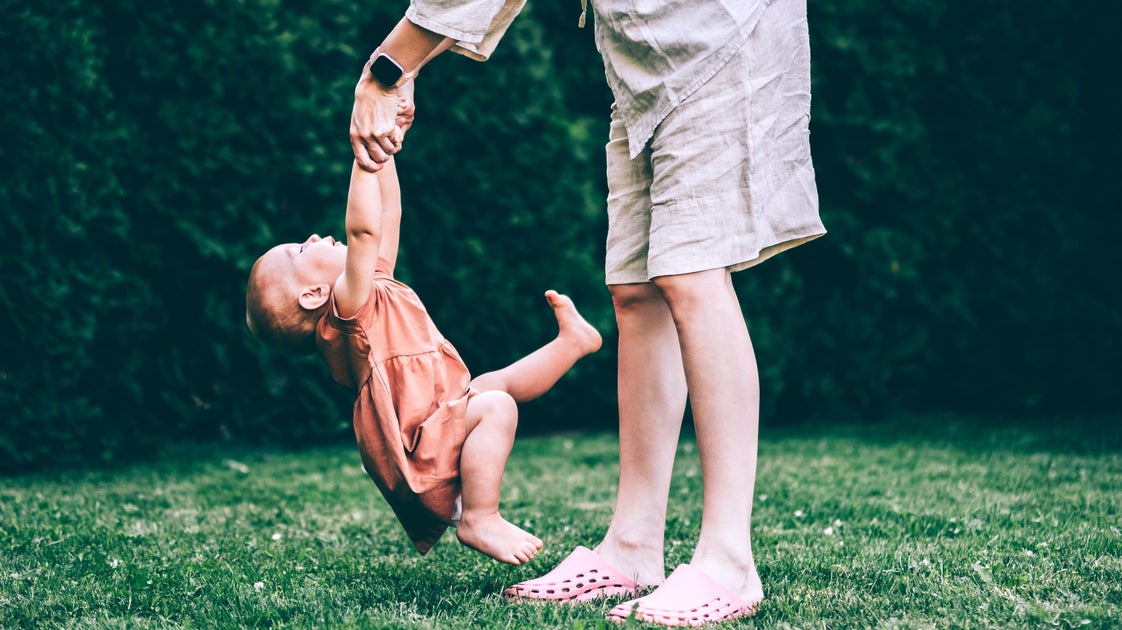
“Hi!” the little girl says as I push my cart down the grocery aisle. I can see she is friendly and eager to chat. I stop my cart. We talk naturally, chitchatting about her favorite cartoon princesses and her new shoes. She’s 3 years old, I learn.
This is not a rare occurrence. Littles are especially fond of me: In subway stations, where one once fell asleep on my shoulder. And at the beach, where a little boy recently encouraged me to go into the water, proclaiming, “You can do it! Look at me!”
I make these friends wherever I go. What people, and especially mothers, are always shocked to learn is that I don’t have any children myself. Whenever I reveal this, I usually detect a range of reactions that span disappointment, sadness and surprise.
I’m used to it. Whenever I reconnect with my Latino family, the first thing they ask about is the possibility of me having children — as if not having them is a sin. Raised in what I consider dysfunction, motherhood has never been the goal. And while I haven’t totally ruled it out, the world’s reaction to childless women (who love children) is bizarre.
What is it about childless women that still stirs so much negative emotion? I suspect it has to do with the idea that to be a mother is to be intrinsically selfless, wholesome, moral and, well, “good.” There’s always a politely hidden implication that there must be something wrong with you if you opt out.