https://arab.news/mxa39
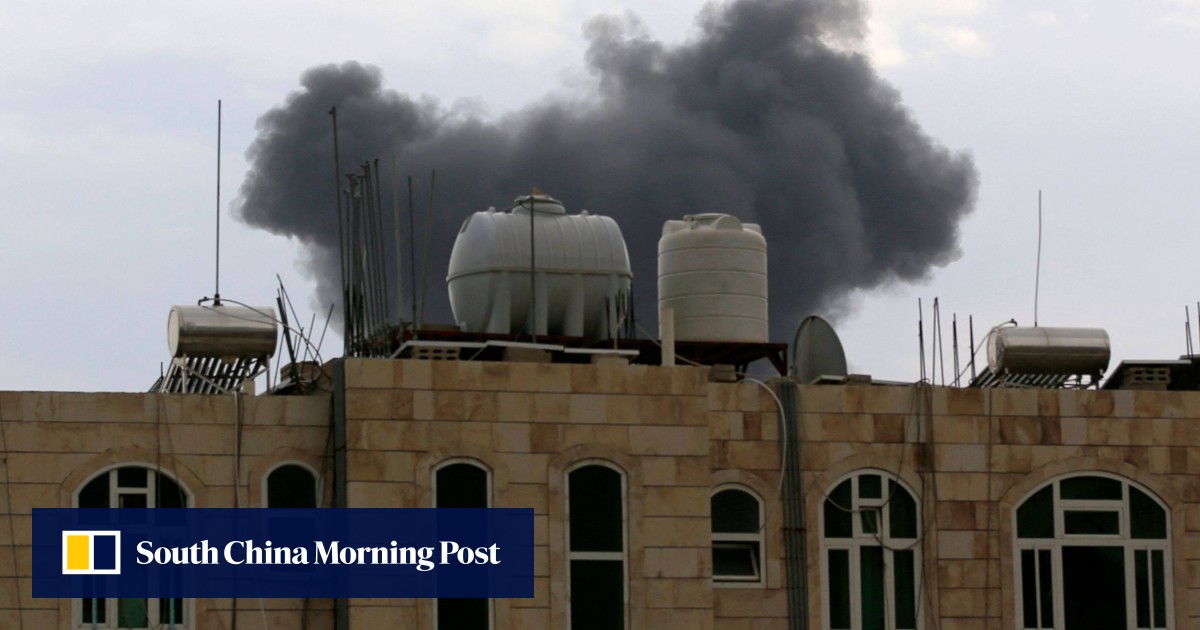
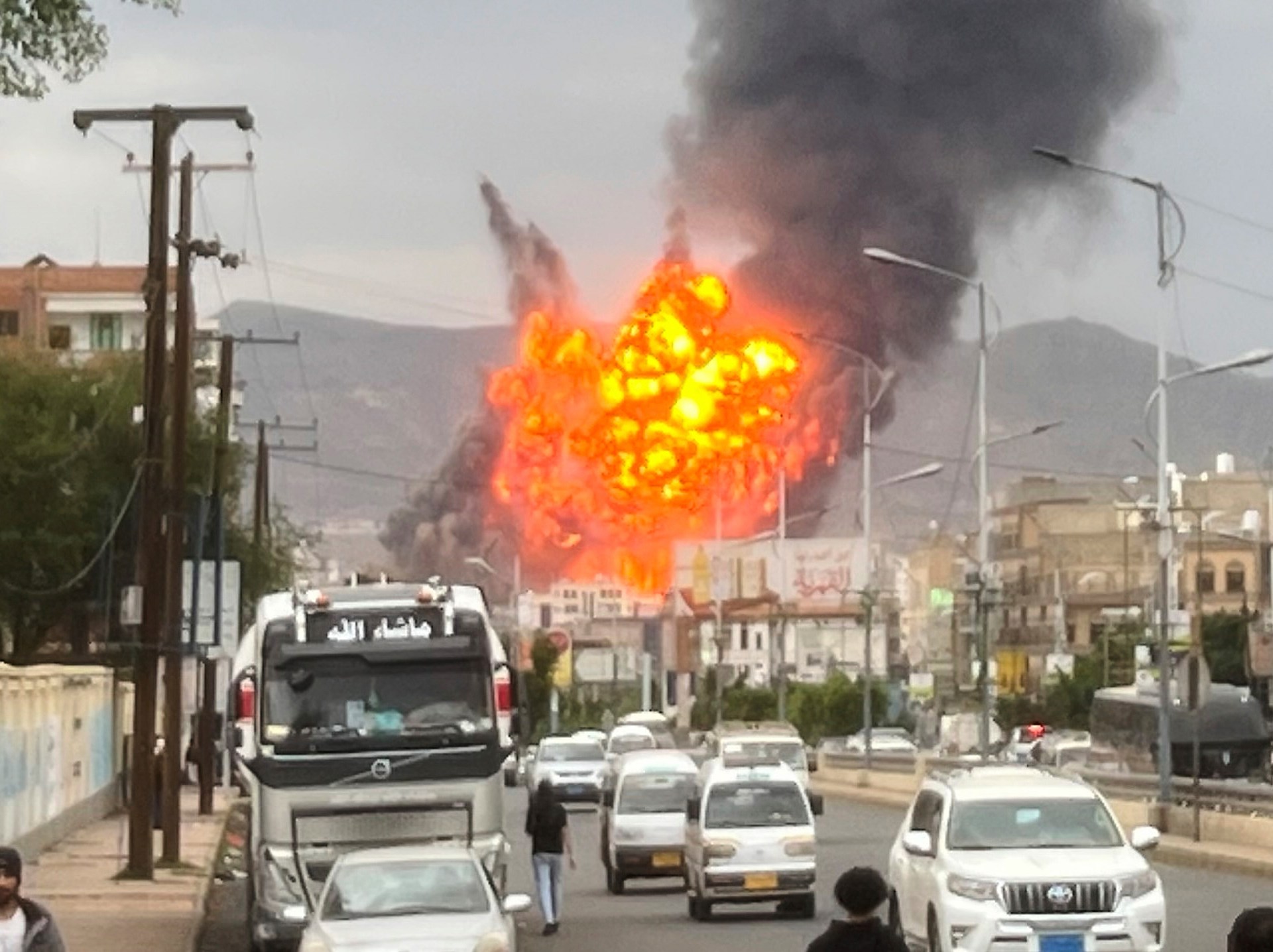
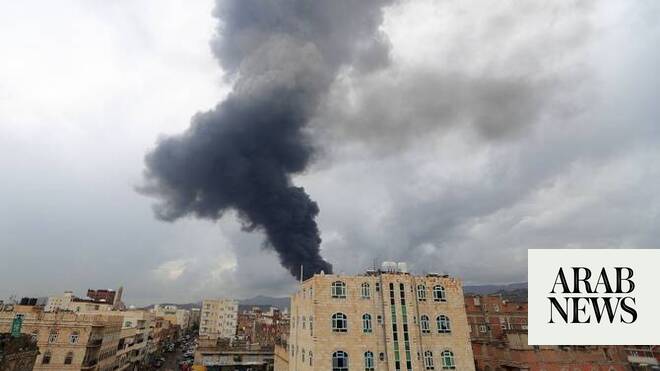
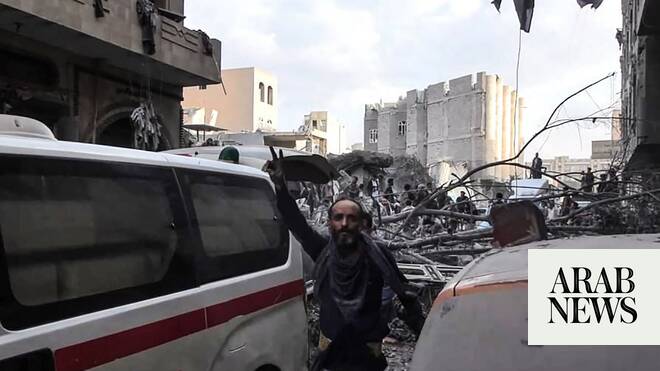
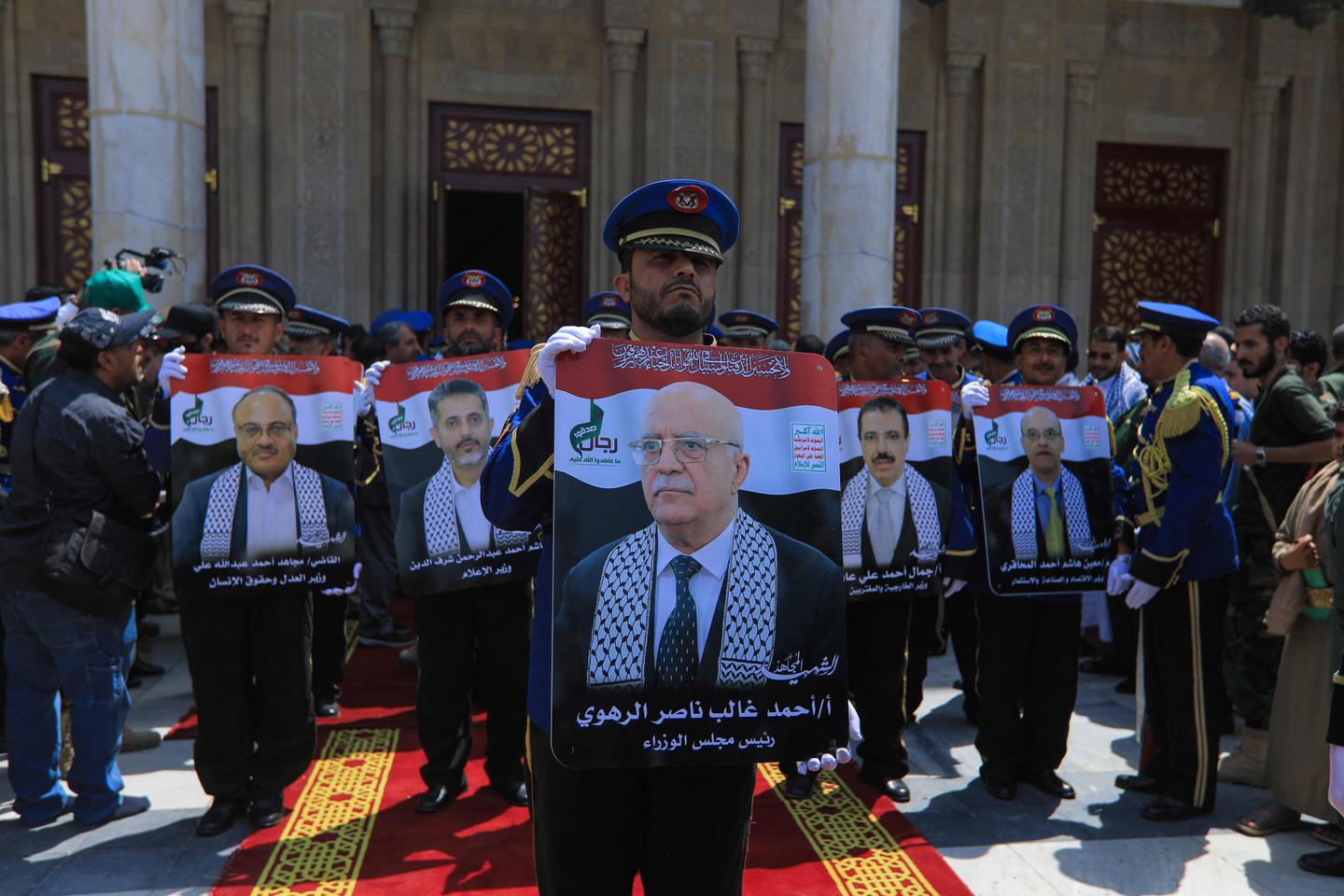
In late August, Israel launched a new phase of confrontation with the Houthi group, as it targeted a command operations room in the Yemeni capital, Sanaa, killing Prime Minister Ahmed Ghaleb Nasser Al-Rahawi and several members of the Houthi government. The operation, backed by intelligence efforts, marked a strategic shift from a limited maritime confrontation to direct strikes targeting Houthi political and administrative leaders. Israeli Defense Minister Israel Katz described the operation as a “crushing blow.”
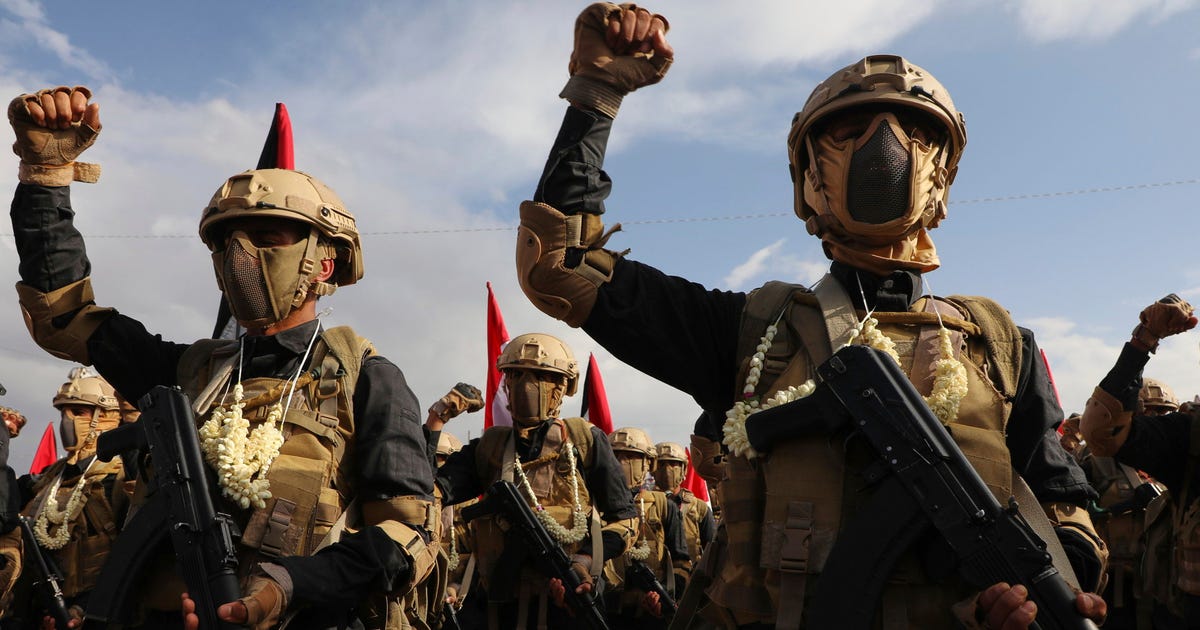
Abdul-Malik Al-Houthi’s response did not take long, as he sought in a speech to raise the morale of his supporters, considering that “the assassination of civilian ministers will not weaken Yemen but will rather increase its determination and steadfastness.” Meanwhile, Acting Prime Minister Mohammed Ahmed Muftah vowed revenge, accusing Washington and Tel Aviv of leading an “intelligence empire” that had infiltrated Yemen.
In the days that followed the Israeli strike and the accompanying mobilization on both sides, tensions continued to mount, as the Houthis in Sanaa buried 12 officials, followed by the launch of missiles and drones toward Israel. The Israeli army announced the interception of one missile on Sept. 3 after an alert in Tel Aviv, while another was reported to have fallen in an open area. At the same time, the Houthis announced they had targeted the oil tanker Scarlet Ray in the Red Sea, a step that raised great concern, especially since it poses a threat to energy security and navigation in the Red Sea and raises the risk level.