To join the CNBC Technology Executive Council, go to cnbccouncils.com/tec
Current CEO of Hewlett Packard Enterprise Antonio Neri rose from call center agent at the company to chief executive officer. Doug McMillon, Walmart CEO, started off with a summer gig helping to unload trucks. It’s a similar story for GM CEO Mary Barra, who began on the assembly line at the automaker as an 18-year old. Those are the kinds of career ladder success arcs that have inspired workers, and Hollywood, but as AI is set to replace many entry-level jobs, it may also write that corporate character out of the plot.
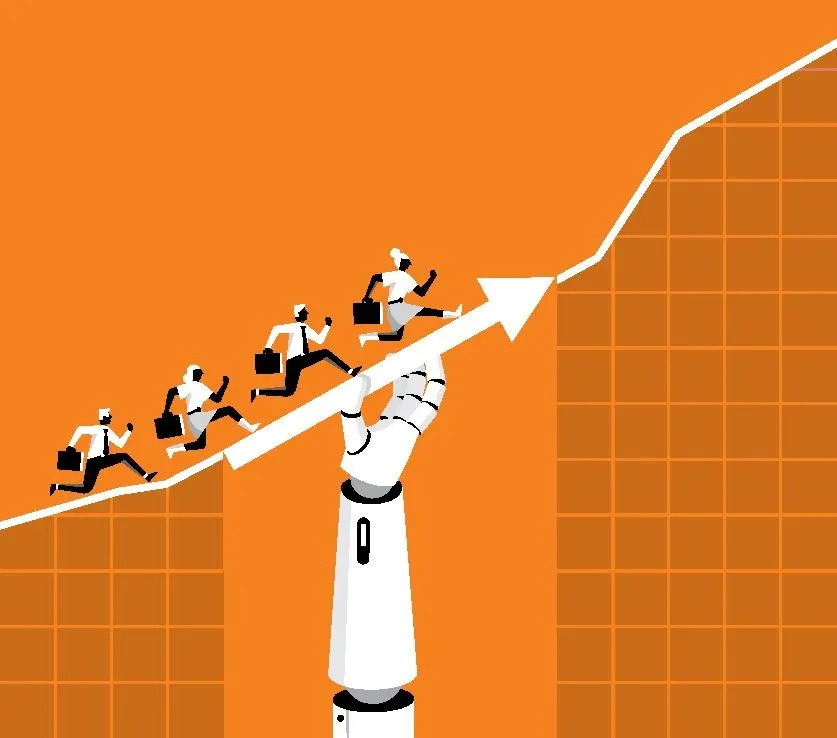
The rise of AI has coincided with considerable organizational flattening, especially among middle management ranks. At the same time, Anthropic CEO Dario Amodei is among those who forecast 50% of entry-level jobs may be wiped out by AI as the technology improves, including being able to work eight-hour shifts without a break.
All the uncertainty in the corporate org chart introduced by AI — occurring at a time when college graduates are struggling to find roles — raises the question of whether the career ladder is about to be broken, and the current generation of corporate leaders’ tales of ascent that have always made up an important part of the corporate American ethos set to become a thing of the past. If the notion of going from the bottom to the top has always been more the exception than the rule, it has helped pump the heart of America’s corporations. In the least, removing the first rung on the ladder raises important questions about the transfer of institutional knowledge and upward advancement in organizations.