But frustration with gun violence has made many in the Democratic city cautiously consider federal assistance
W
ith a small group of school-age children around him, Dylan Whitehorn is the center of attention with his clippers, trimmers and brushes. He’s known as “Mr D the Barber”, and on this summer afternoon in mid-August, Whitehorn had a steady line of kids waiting for a free back-to-school haircut at a neighborhood carnival.
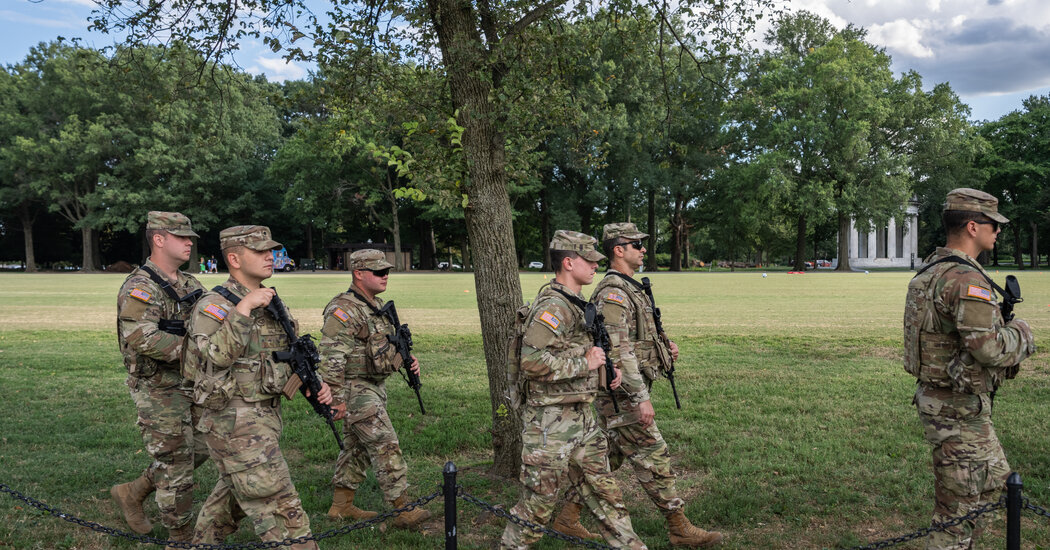
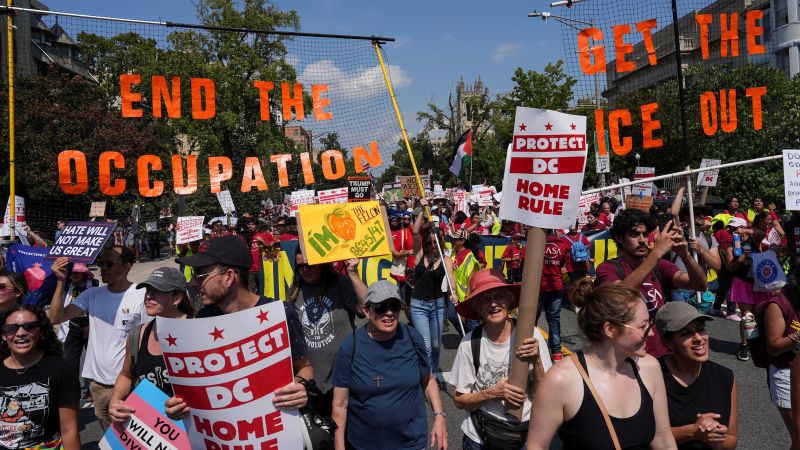
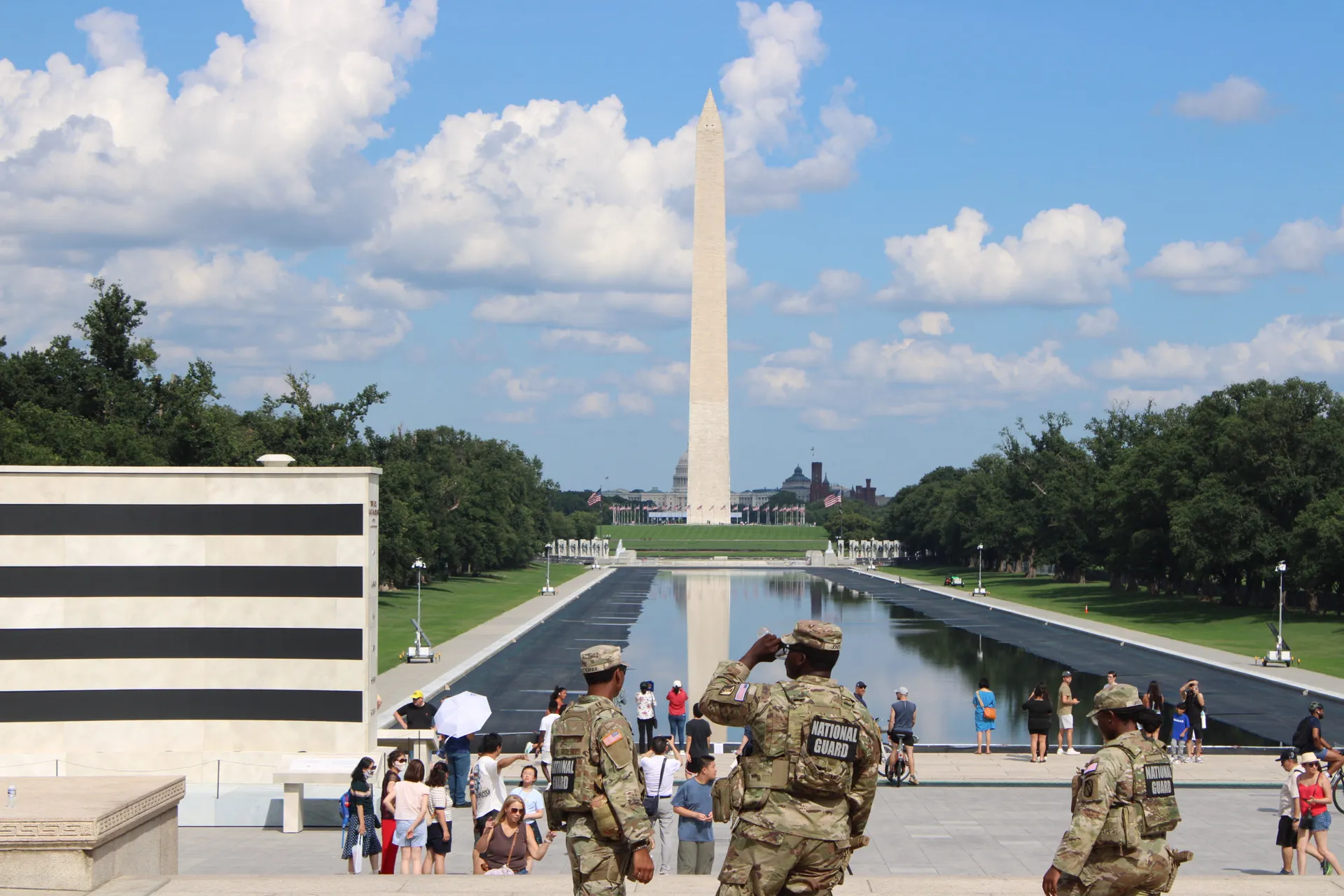
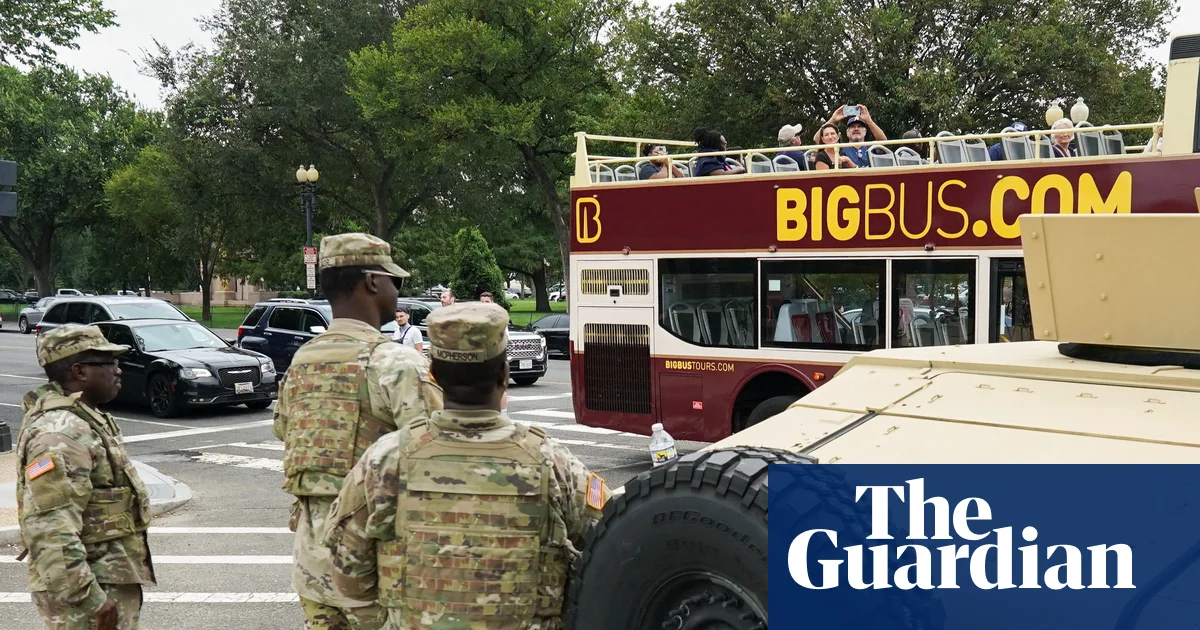
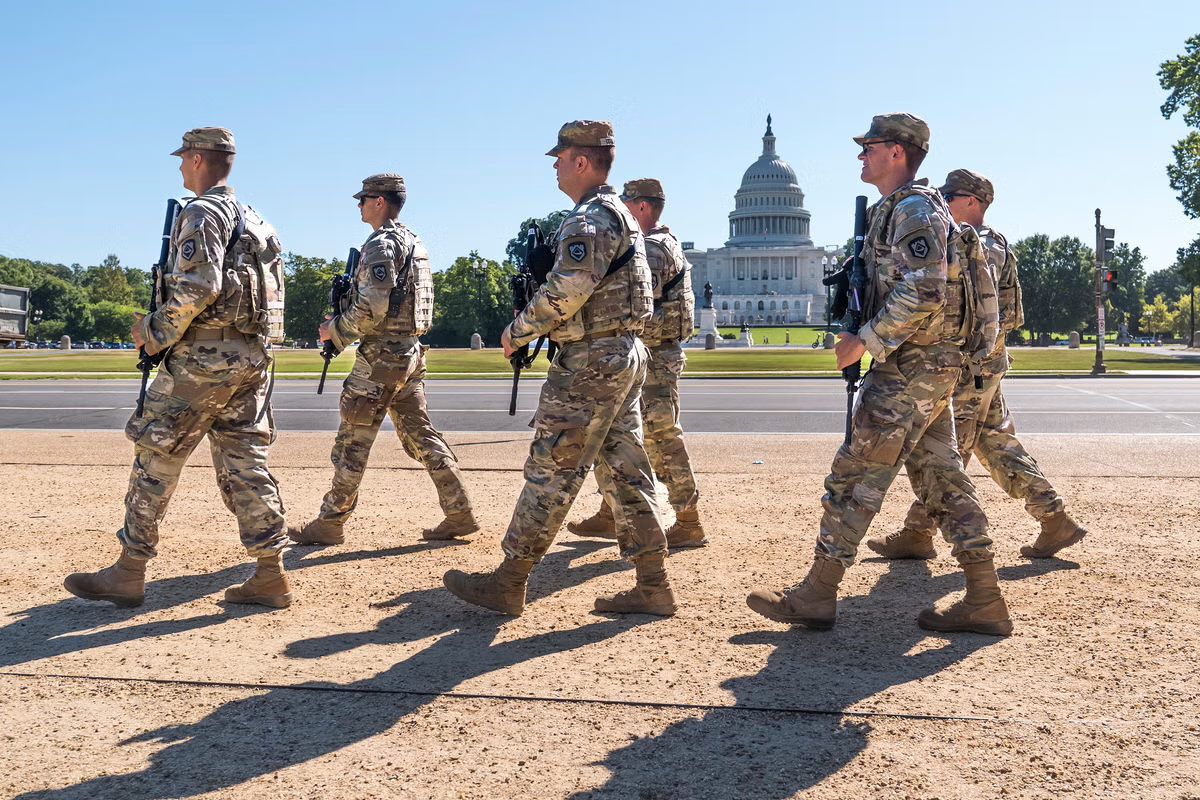
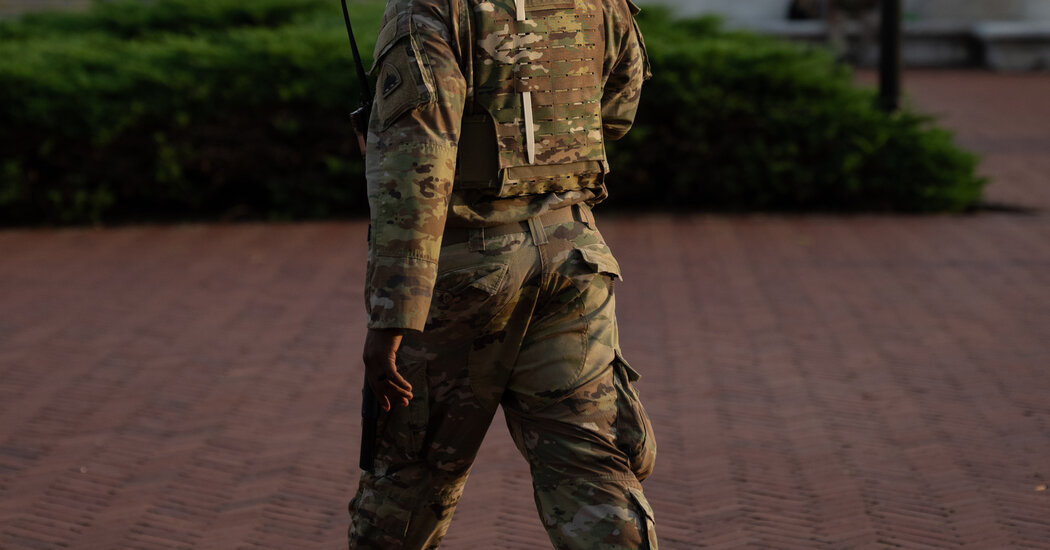
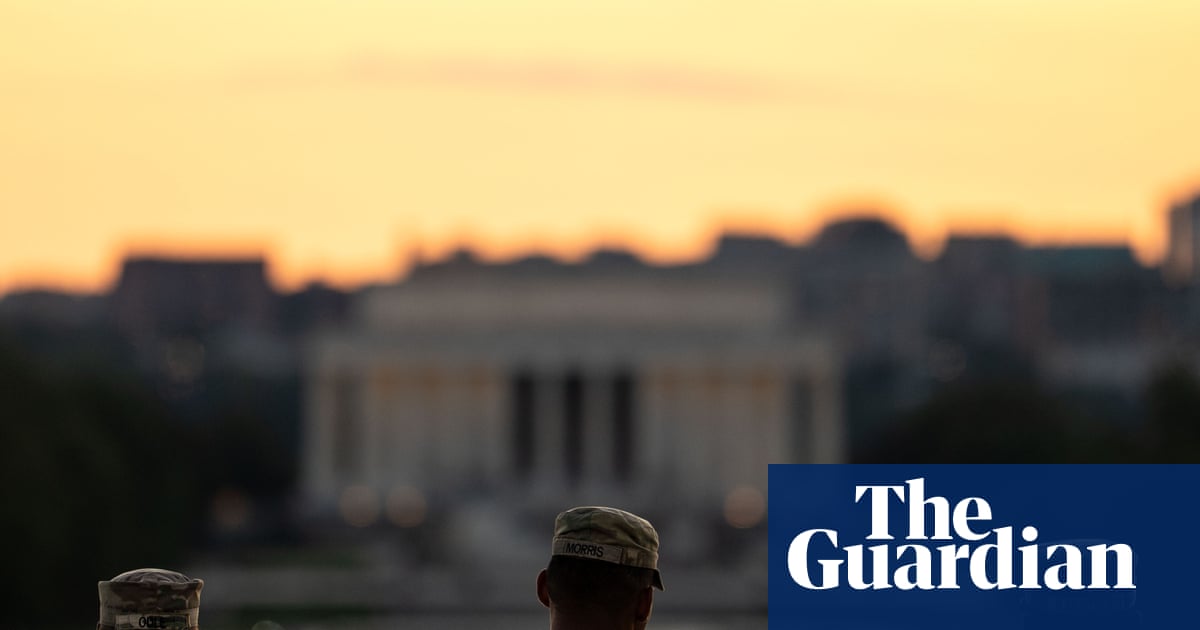
Several Metropolitan police department (MPD) officers patrolled the event, but their presence wasn’t overwhelming. It was a distinct difference from other parts of Washington DC, where upwards of 2,000 national guard troops were on the ground as part of Donald Trump’s temporary takeover of the city’s police department with federal troops.
“It’s really been heartbreaking to see it,” said Whitehorn. “And to hear Donald Trump tell [federal officers] do what you want. You know, that kind of gasses them up, because they pretty much know or feel like they can gun you down, and there won’t be any accountability for that. And when you’re sending your kids to school in that climate, especially when this country has a history of killing young Black males, it’s a terrifying thought.”