Trump wants to combat crime with prosecution. Prevention workers share tactics that actually end violence
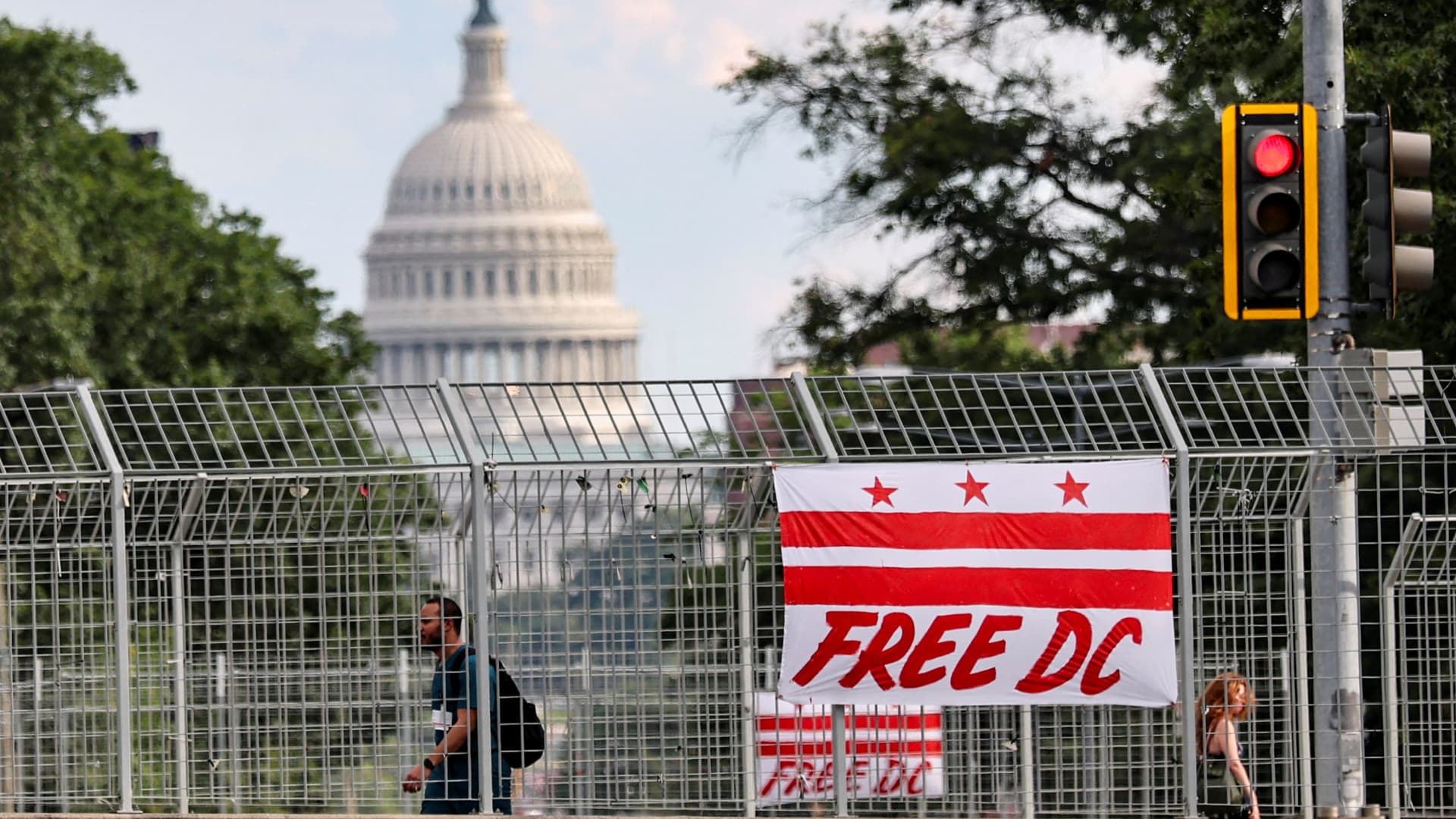
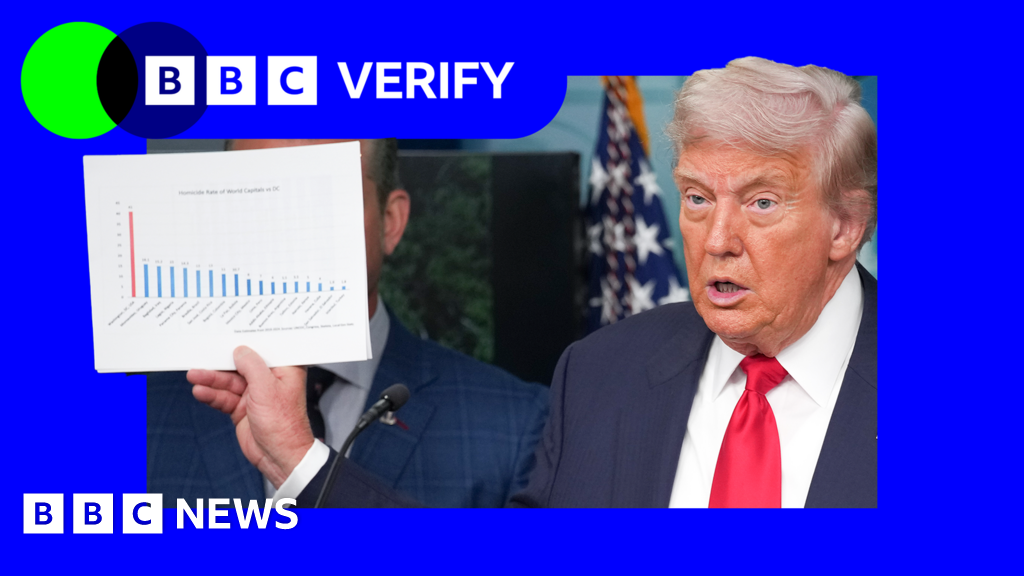
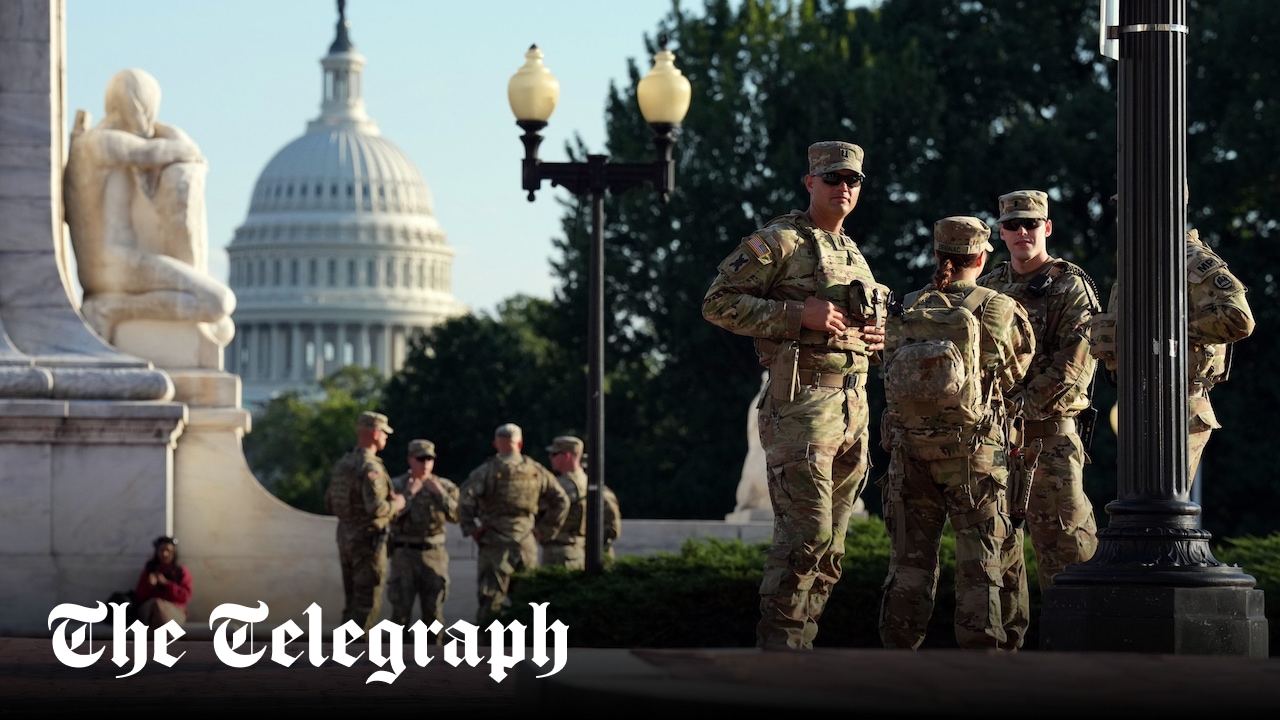
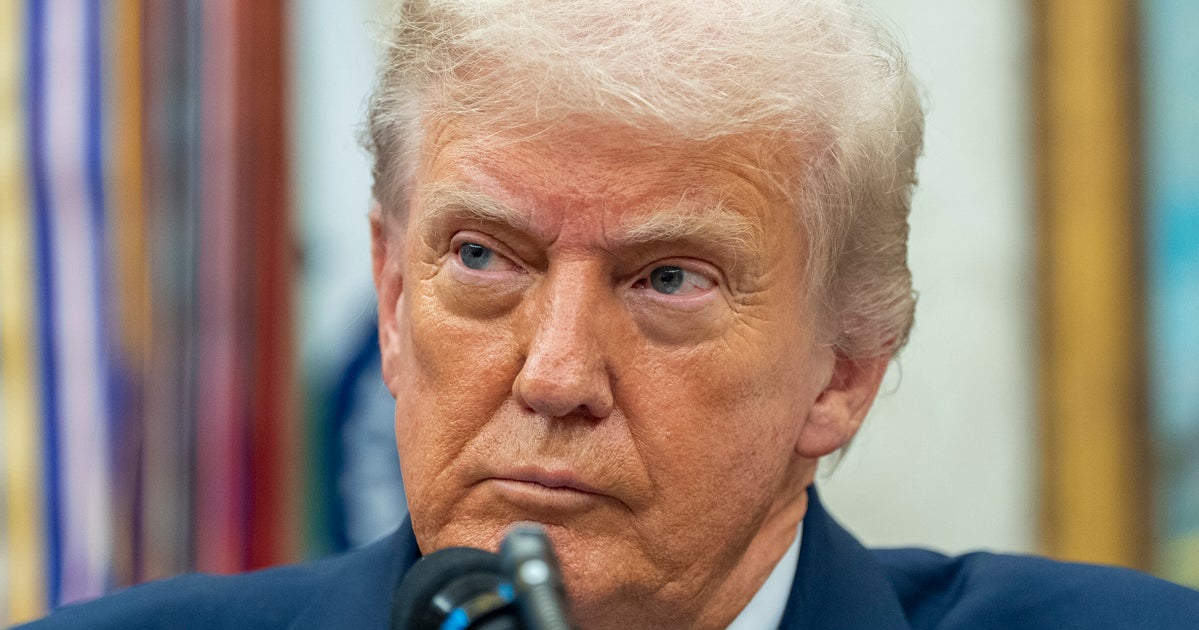
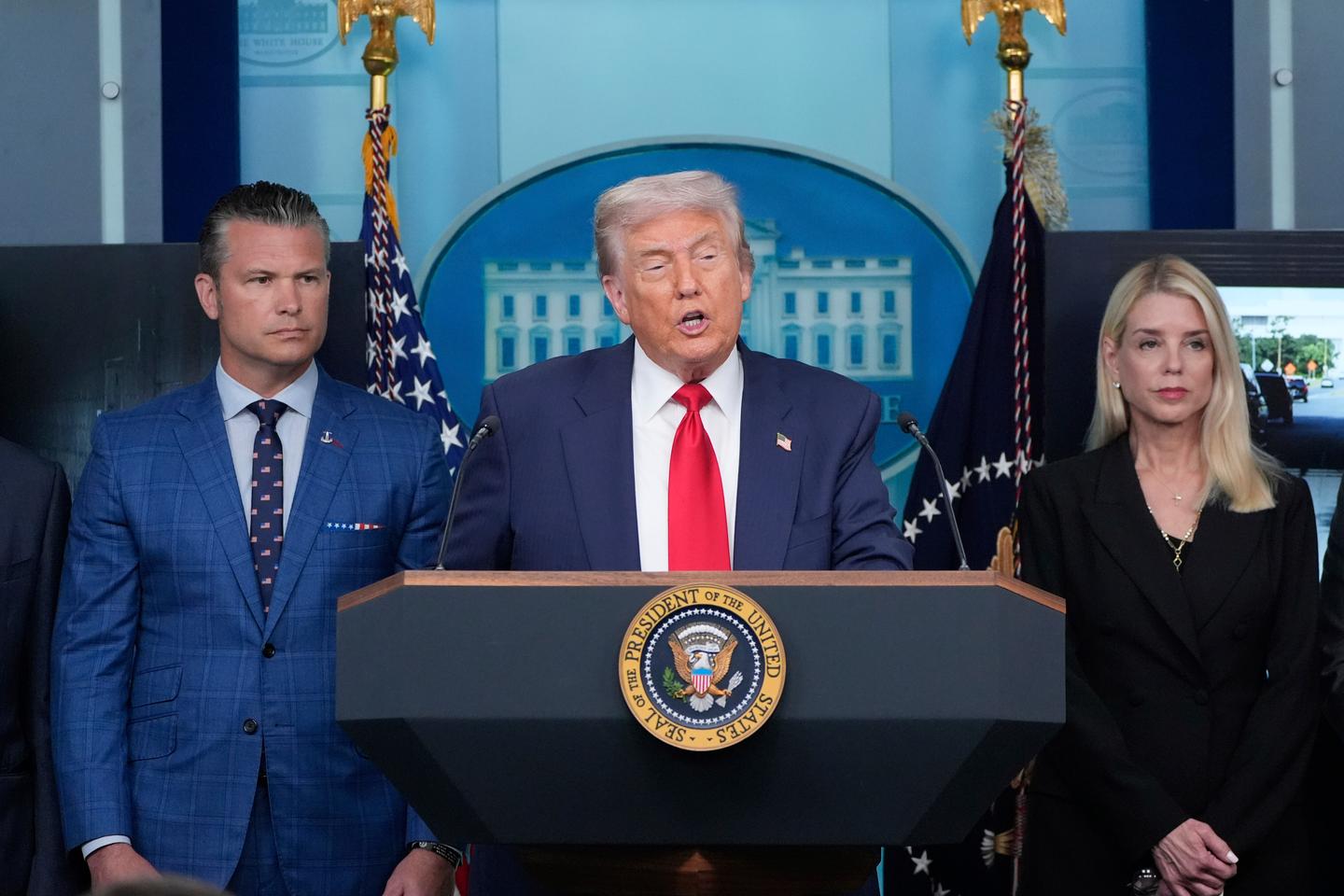
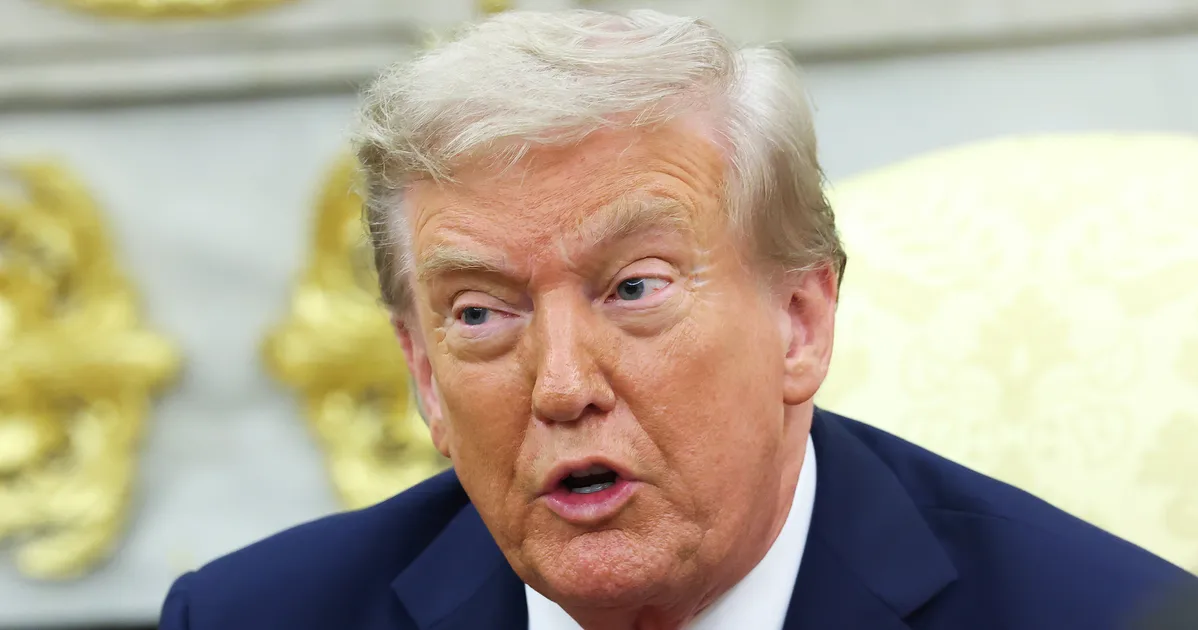
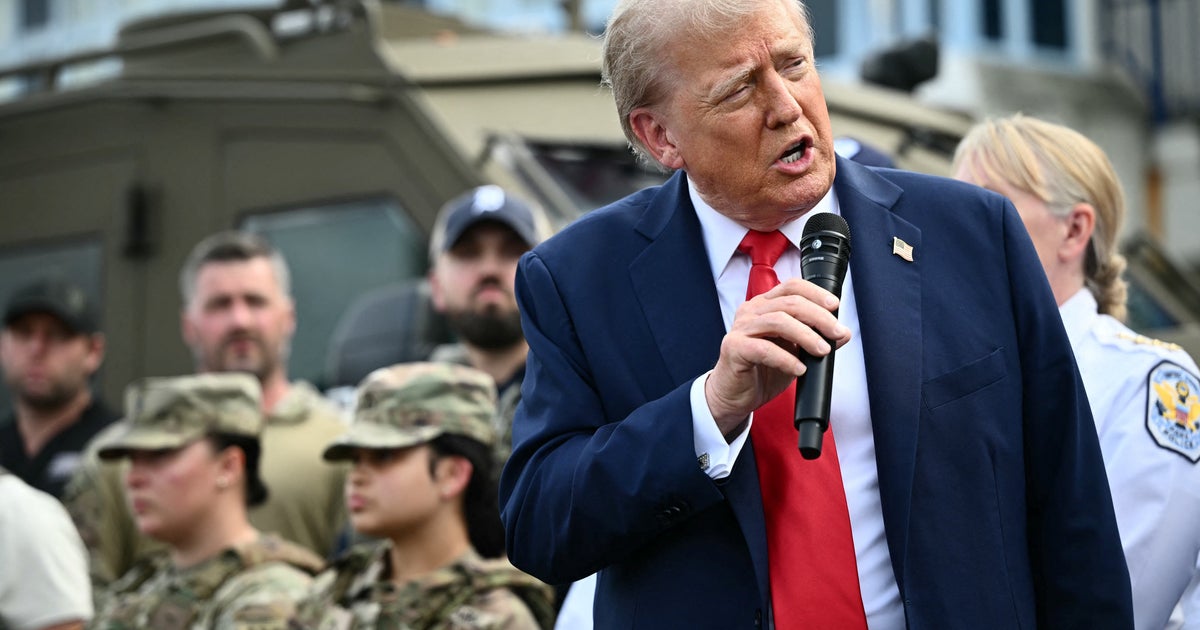
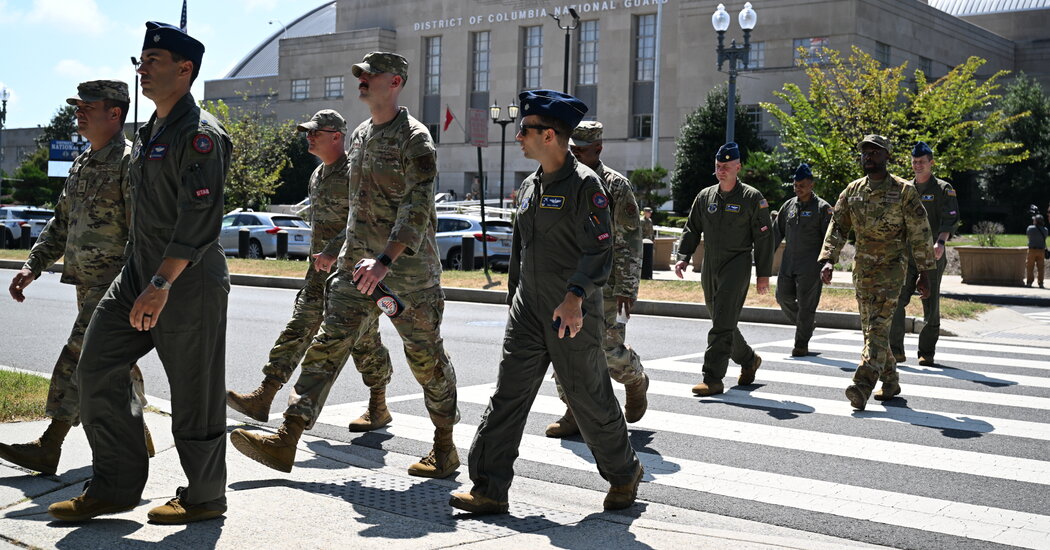
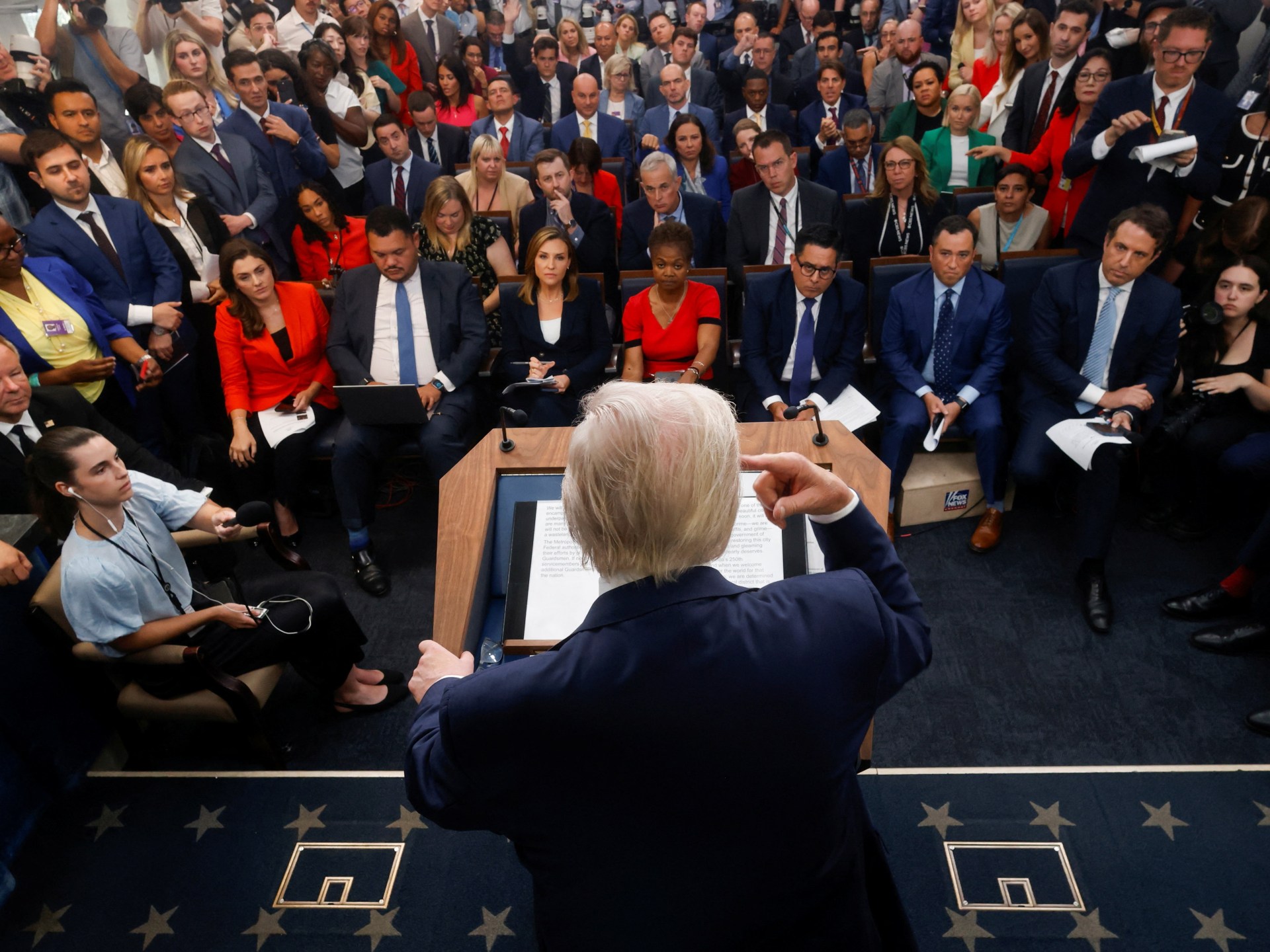
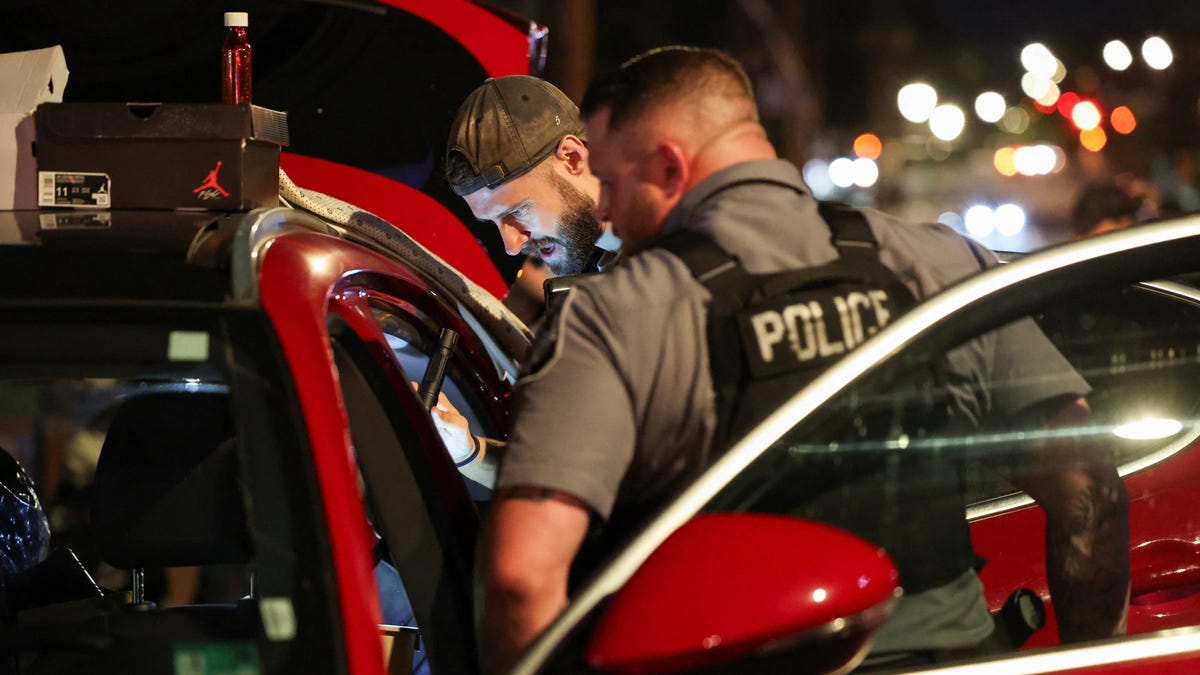
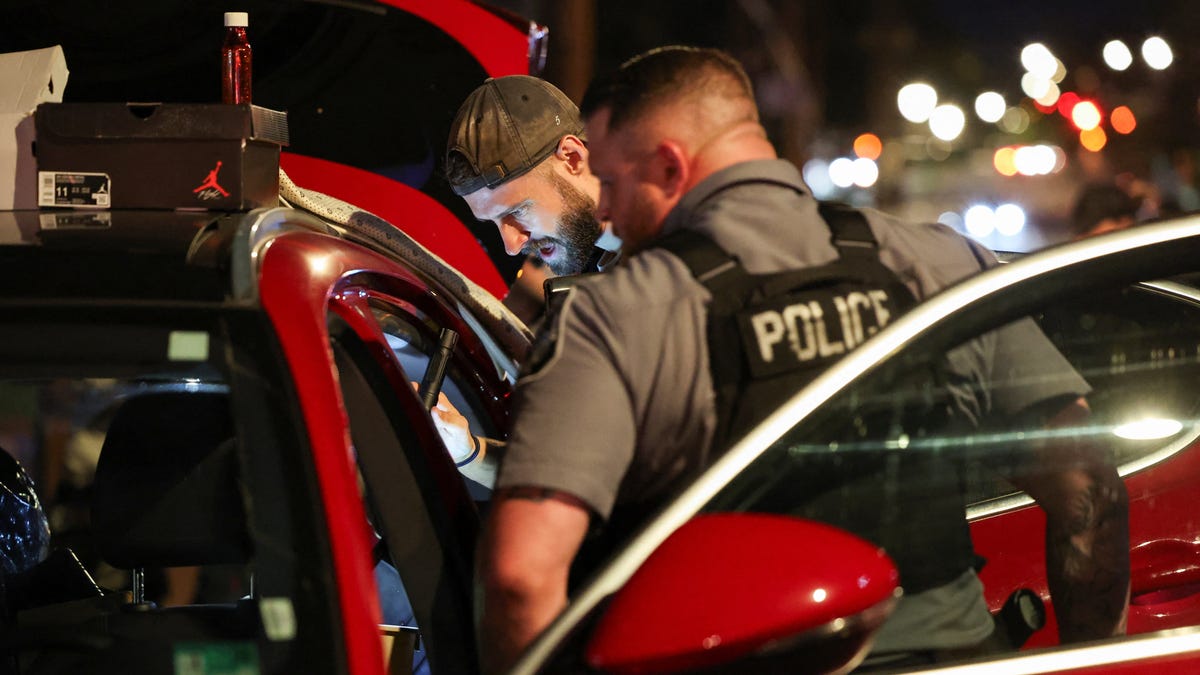
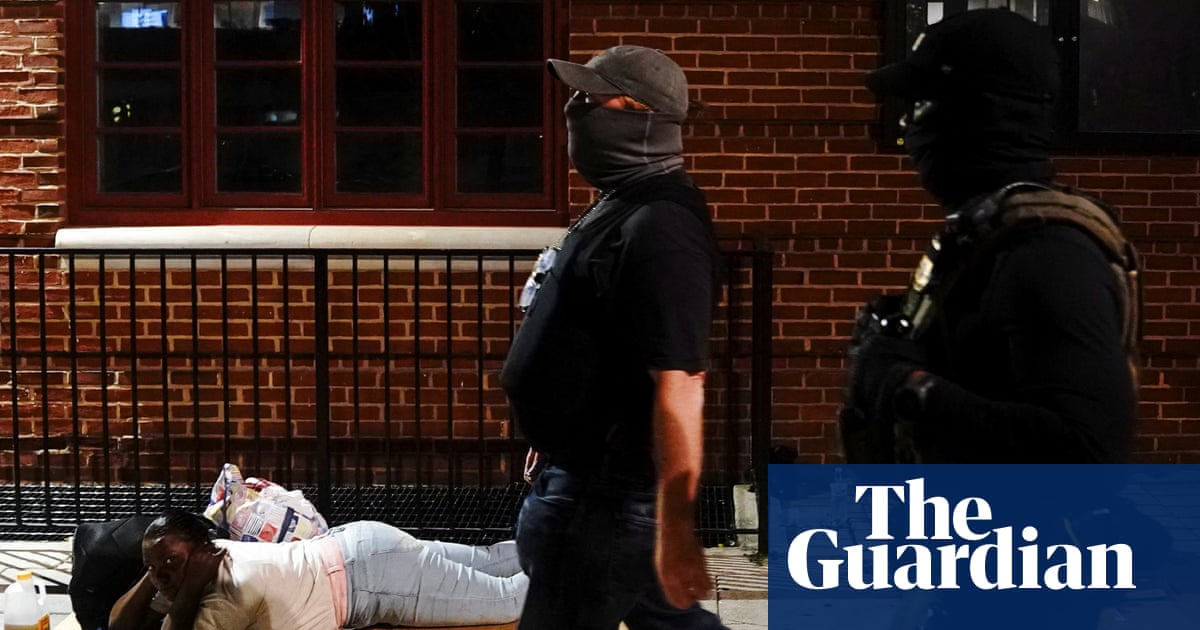
Donald Trump’s hyperbolic portrayal of crime in major American cities, and his deployment of the national guard in Washington DC ostensibly in an effort to combat it, have reignited a decades-old debate about crime, violence and which policies and approaches can address it.
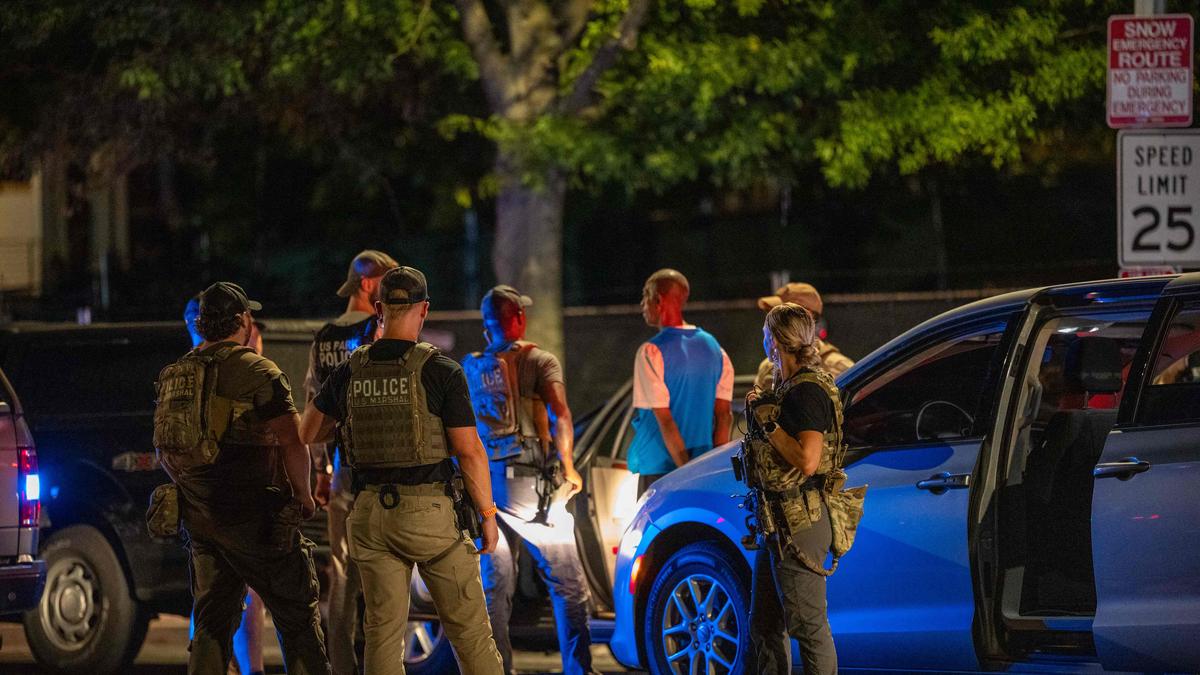
The US president has cited cities such as Oakland, Philadelphia and Chicago as examples of places overwhelmed by crime and violence. He has put forward an increased militarization of law enforcement, and more money and legal protections for police, as the most effective ways to address homicides and other violent crime.
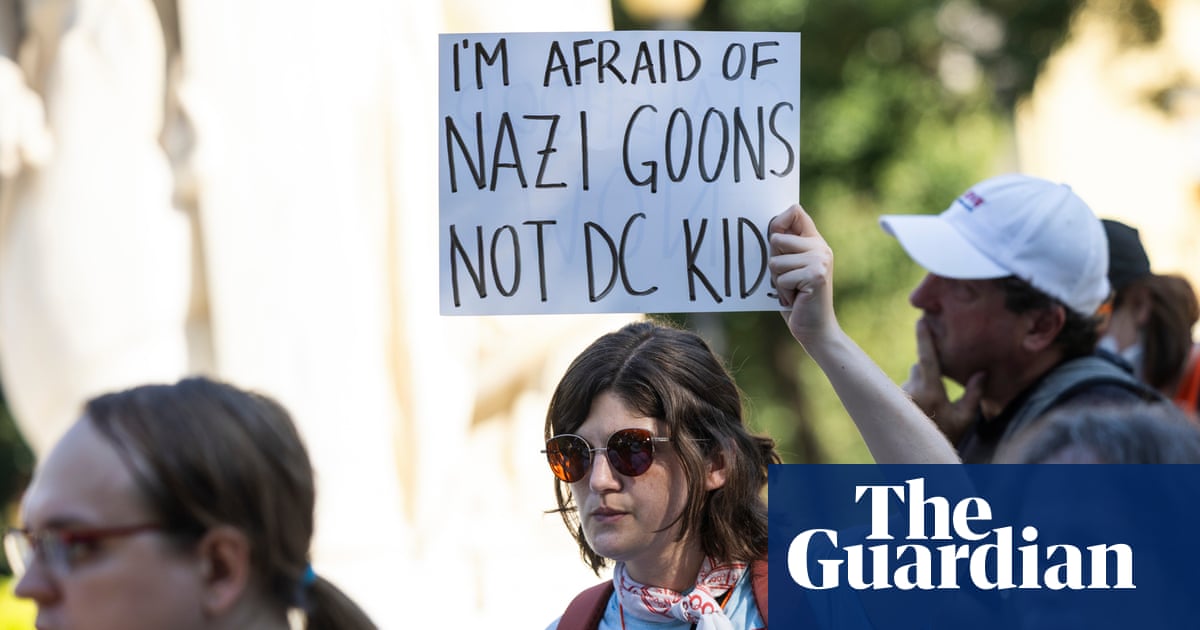
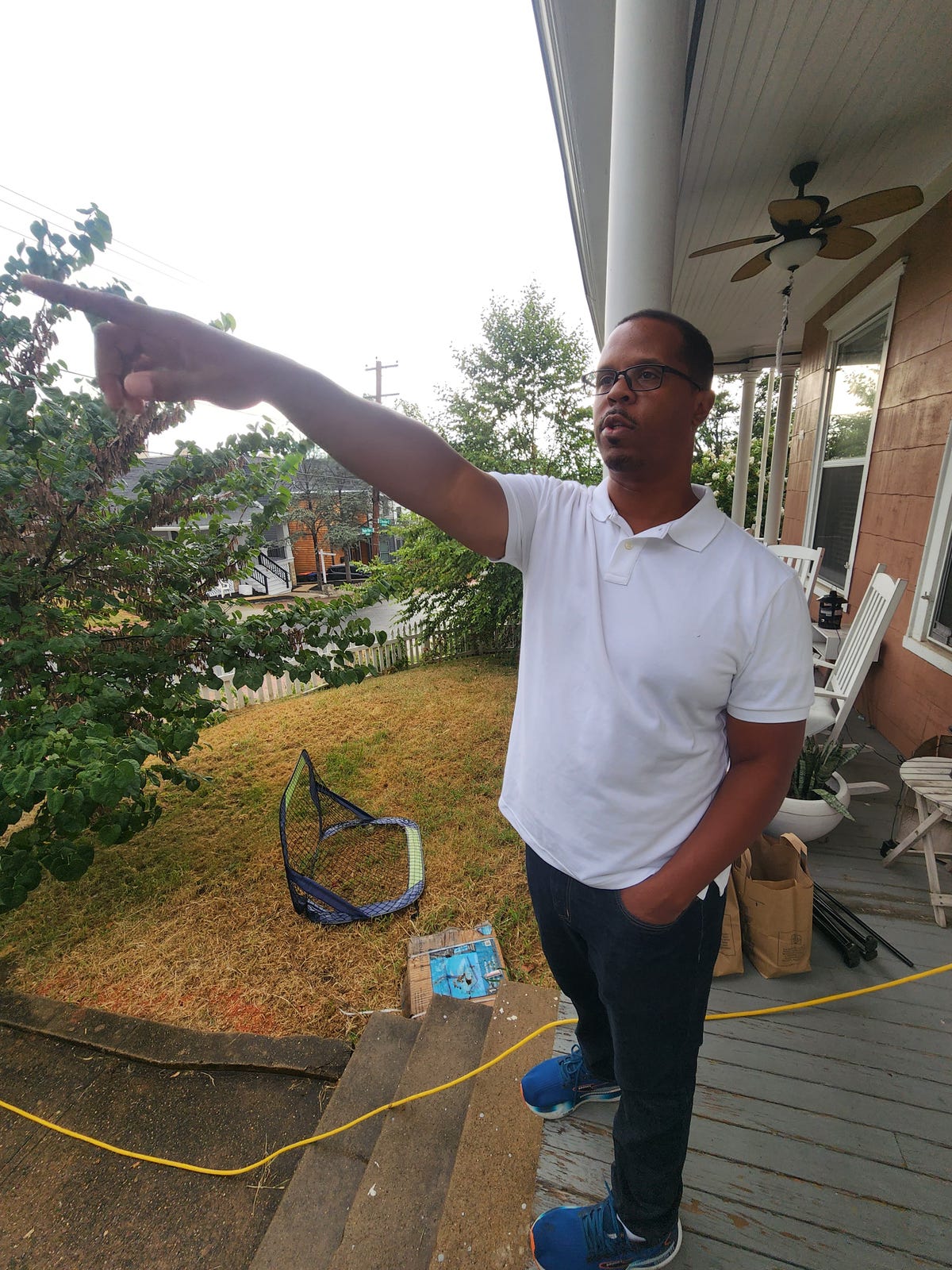
But to violence prevention workers, the recent statements appeared made not out of care and concern for the lower-income Black and Latino victims who bear an outsized share of the nation’s crimes, but to undermine and dismiss the progress community groups have made.
And, the advocates argue, the administration’s emphasis on law enforcement and prosecution as the sole ways to stop crime will do little to stop the cycles of violence and property crime that these groups have faced through Republican and Democratic administrations alike.