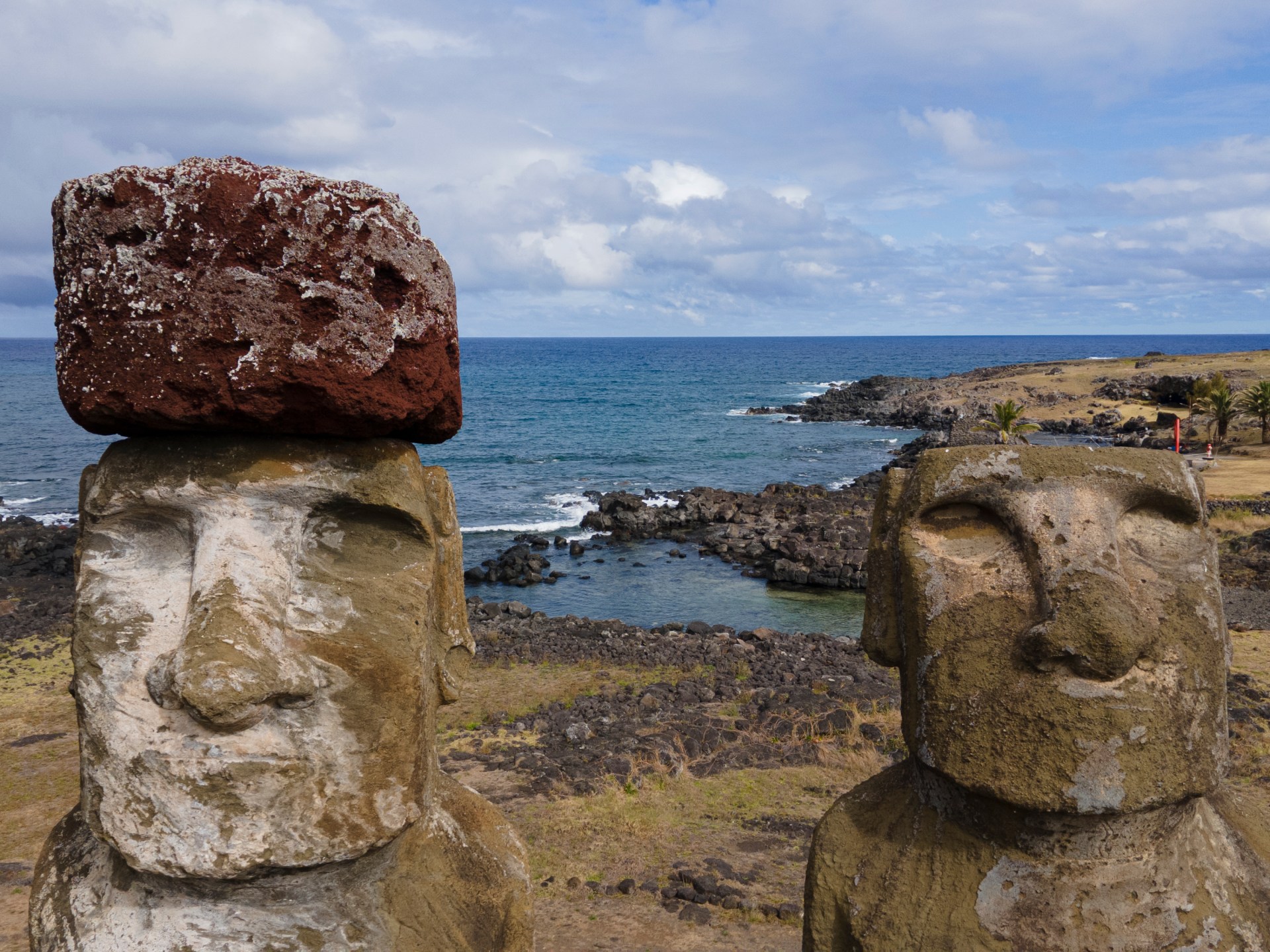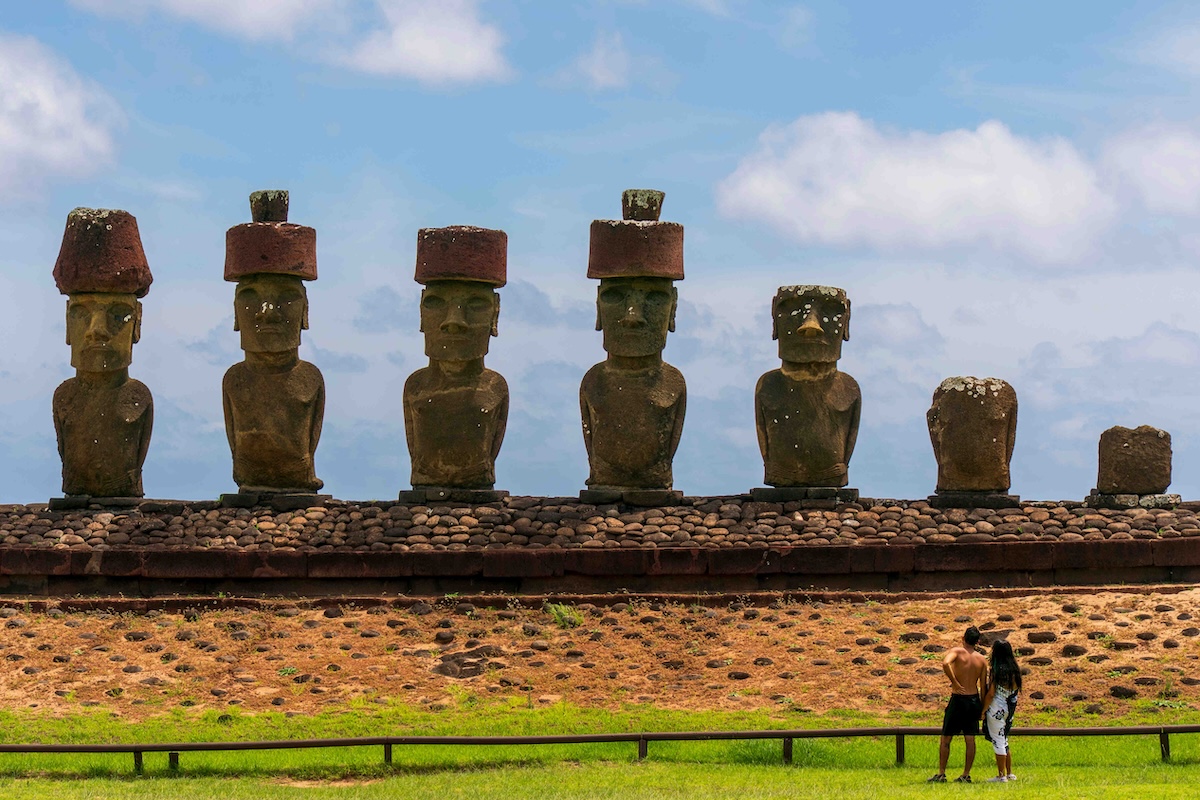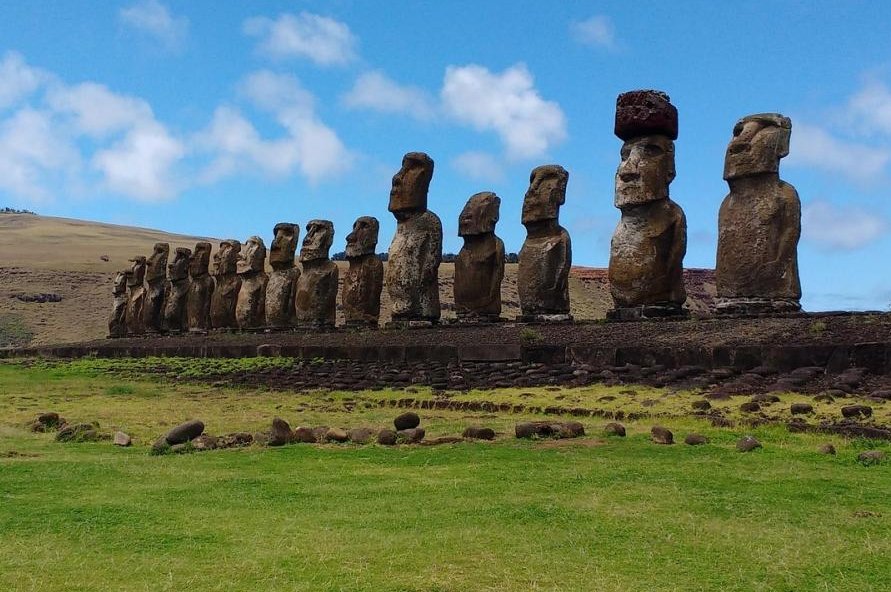
Sept. 5 (UPI) -- Rising sea levels could flood more than 50 archaeological sites on Easter Island, or Rapa Nui, by 2080 -- including the iconic Ahu Tongariki, according to a new study from the University of Hawaii
The research, led by Rapa Nui scientist Noah Paoa, highlights the impact of climate change on the island's cultural and tourism heritage.
Indigenous Polynesian inhabitants have long called the island Rapa Nui, while European explorers named it Easter Island after arriving on Easter Sunday in 1722. It is about 2,200 miles of mainland Chile and is a special territory of that nation.
Projections show that seasonal swells, intensified by global warming, could reach ceremonial platforms, petroglyphs and burial sites. The study, published in the September-October edition of the Journal of Cultural Heritage, poses an urgent question: how to protect the remains of an ancient civilization from a threat advancing inch by inch?
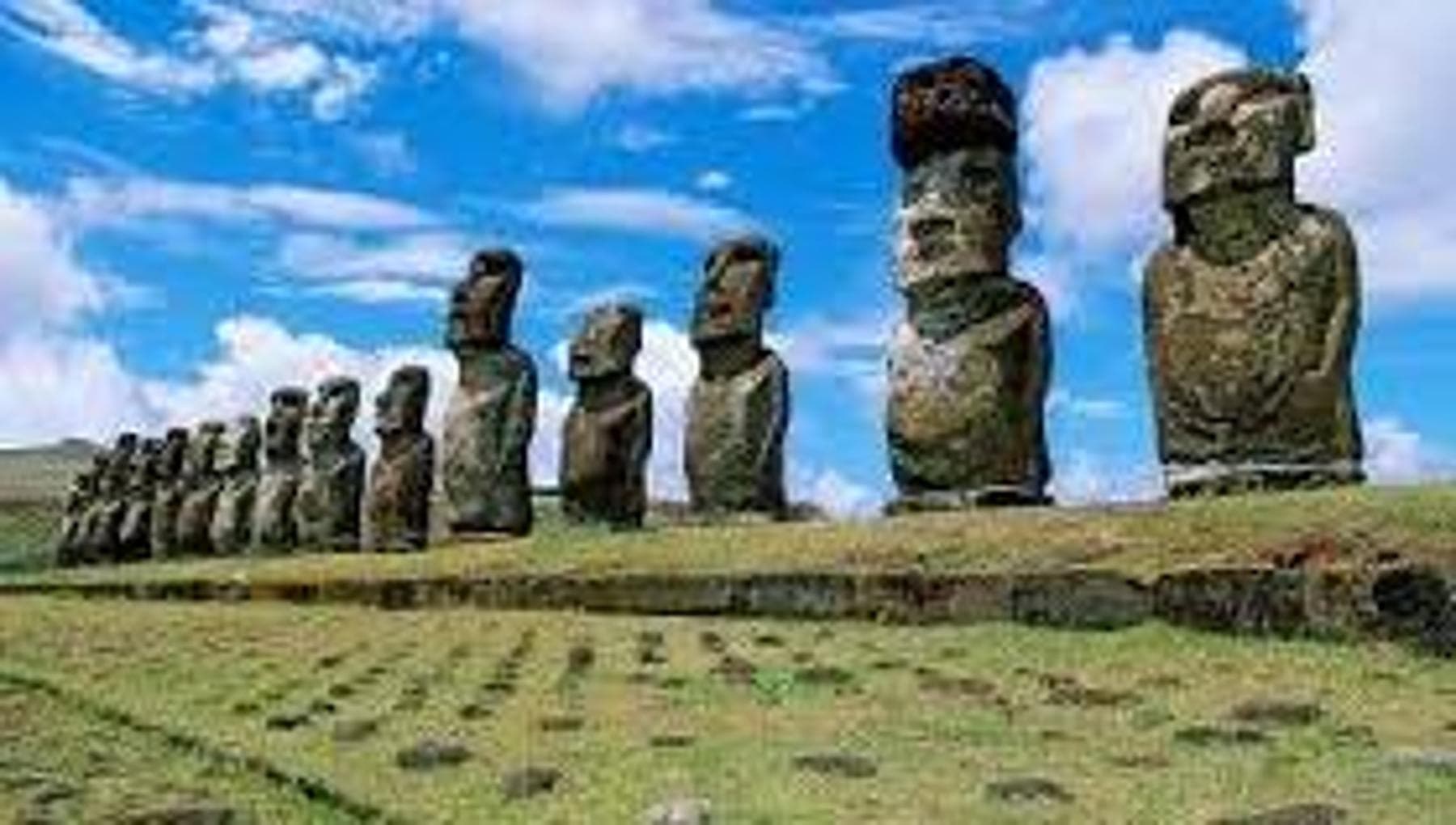
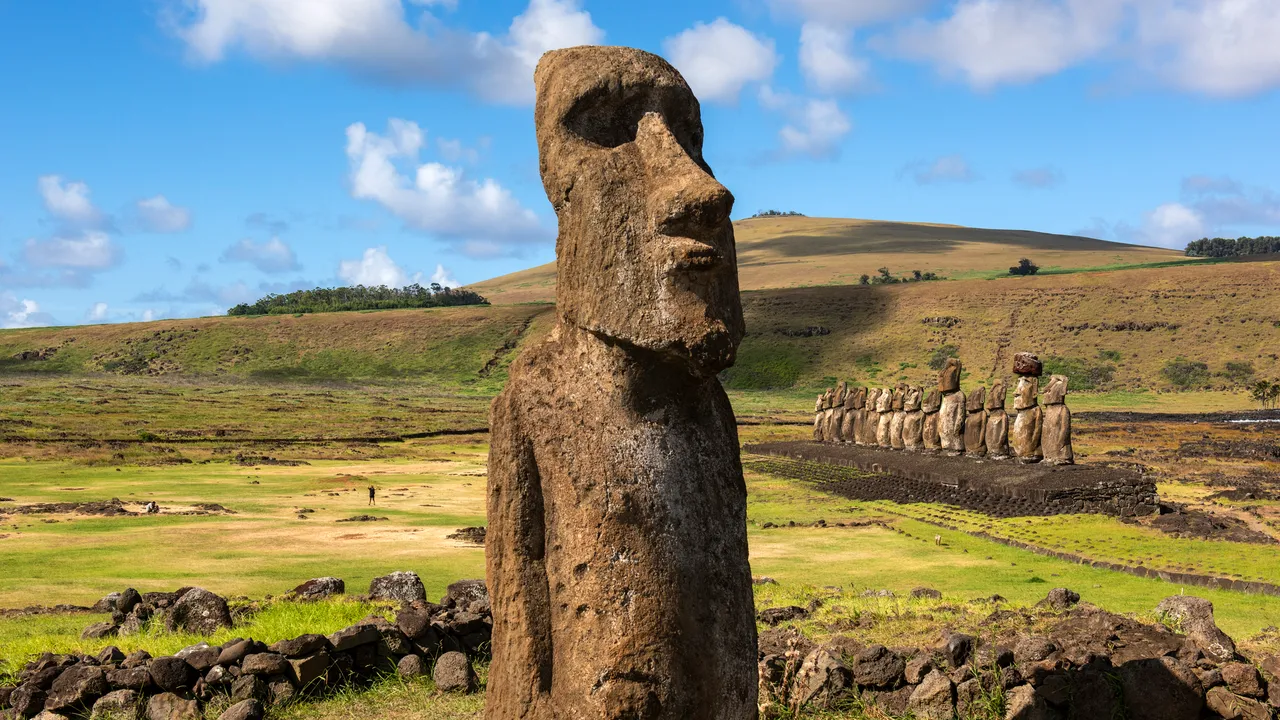
Rapa Nui's coast, designated a UNESCO World Heritage Site in 1995, faces a risk that is no longer hypothetical. According to the study, waves driven by rising seas could reach Ahu Tongariki -- the largest restored group of moai statues on the island -- in less than 60 years.