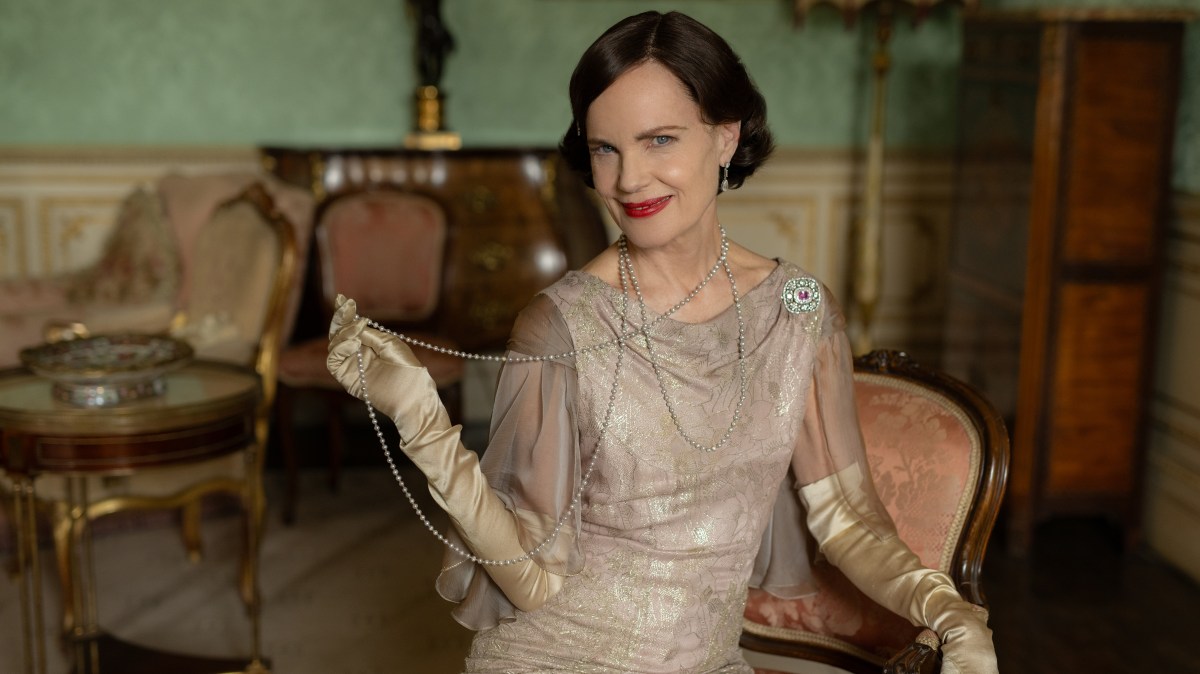
W
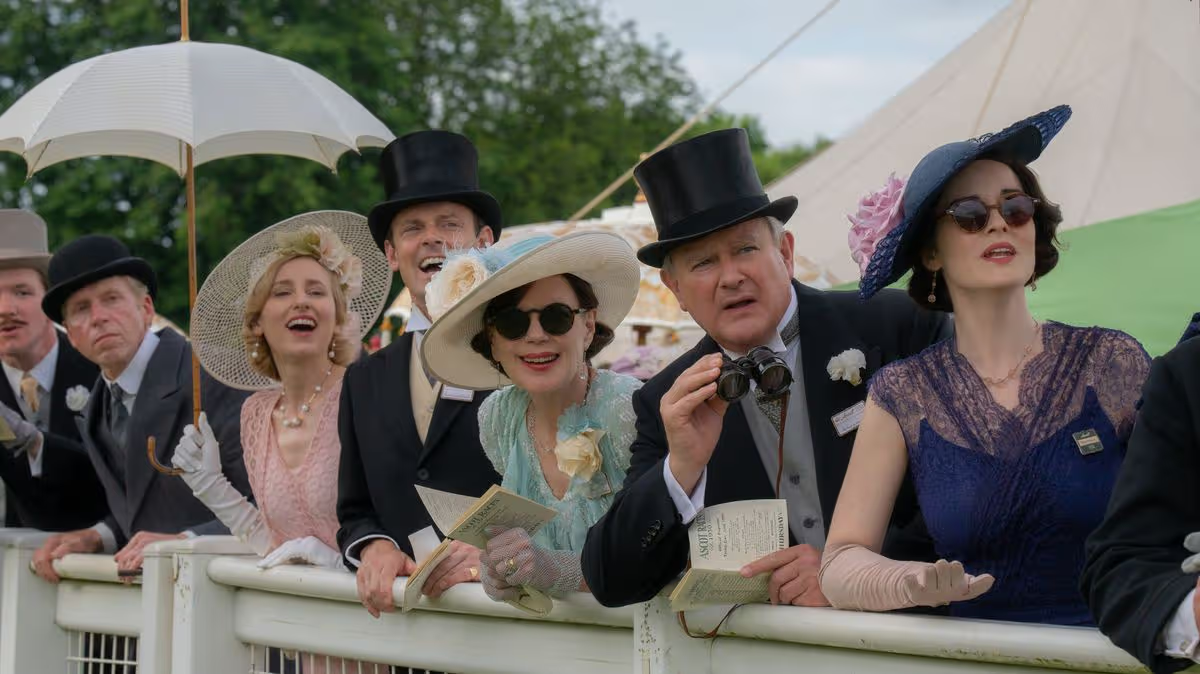
hen it first aired on ITV in 2010, Downton Abbey became an instant TV phenomenon. Julian Fellowes introduced the world to the multigenerational exploits of the Crawley family, their servants and the estate that gave the series its name. Over the course of six series and two films it has charted the seismic cultural and social shifts of the early 20th century — from the horrors of the First World War to the decadence of the early 1920s. By the close of its sixth season, set in 1925, the Crawleys and their household had weathered loss, scandal, and reinvention. Lady Edith, once perpetually unlucky, found her happiness with Bertie Pelham; Lady Mary, pragmatic as ever, secured the estate’s future with Henry Talbot; Anna and Bates, long plagued by misfortune, finally celebrated the birth of their child. Even Thomas Barrow, once the schemer, assumed Carson’s role as butler. The final Christmas special ended with gentle resolution and an affectionate farewell, leaving the doors of Downton open to possibility. That possibility is now being fulfilled with the release of Downton Abbey: The Grand Finale in cinemas on September 12.
The Crawley family have been captivating viewers for over a decade