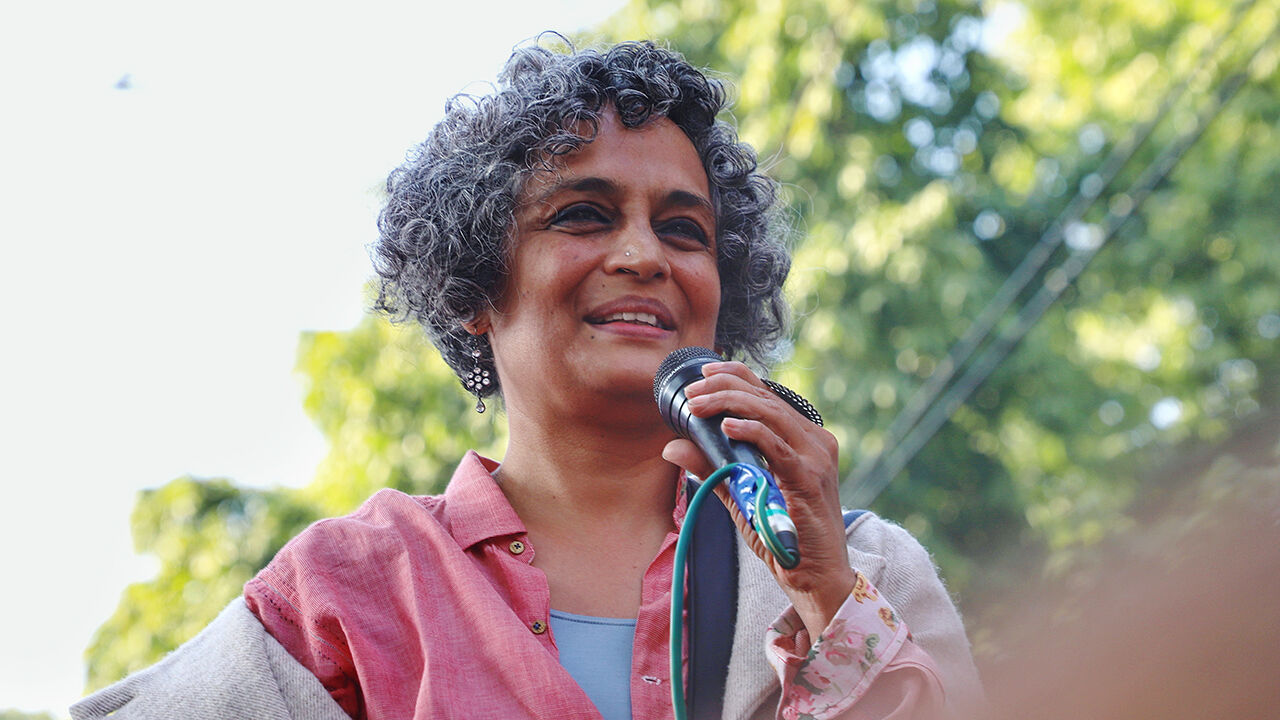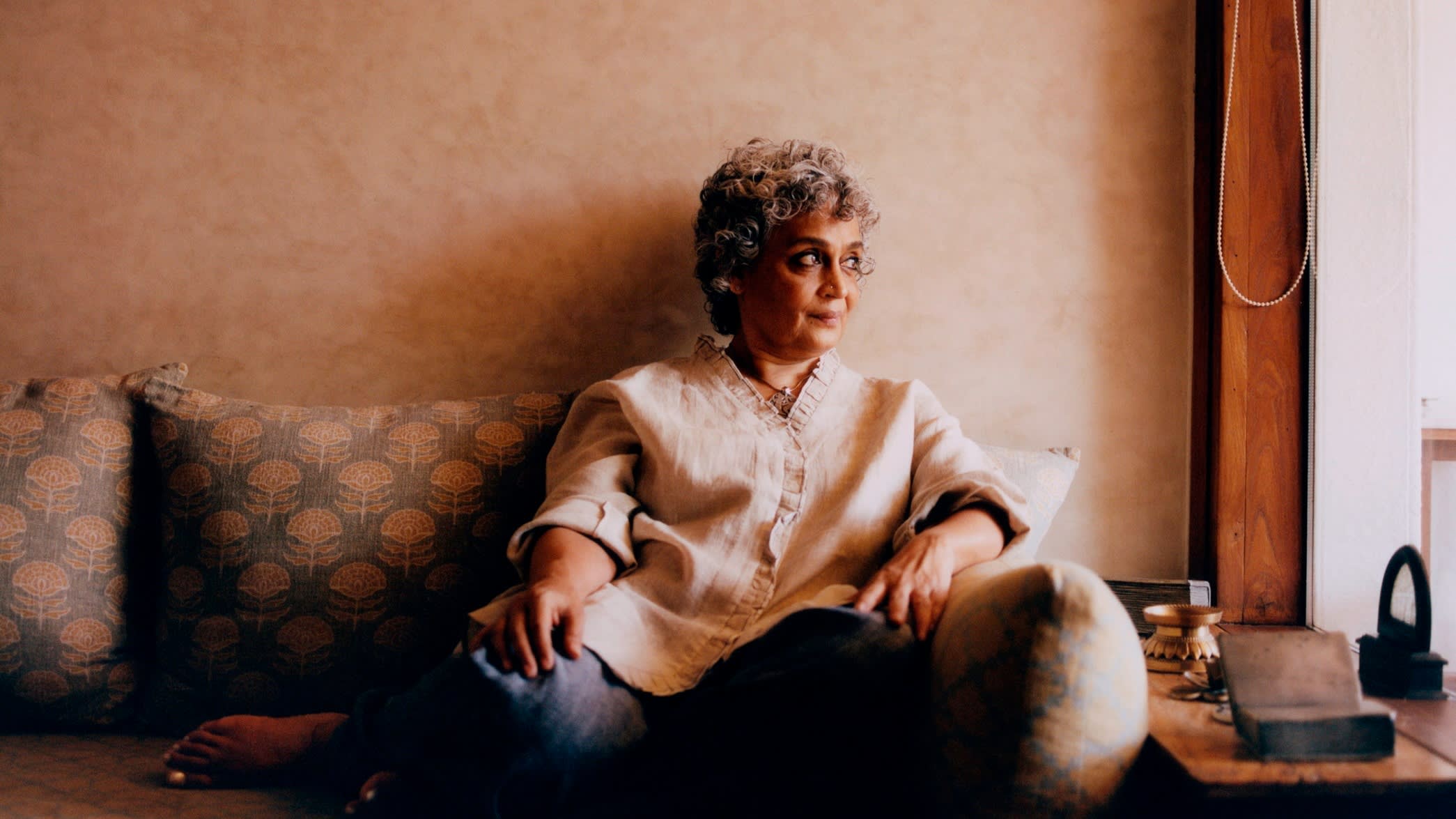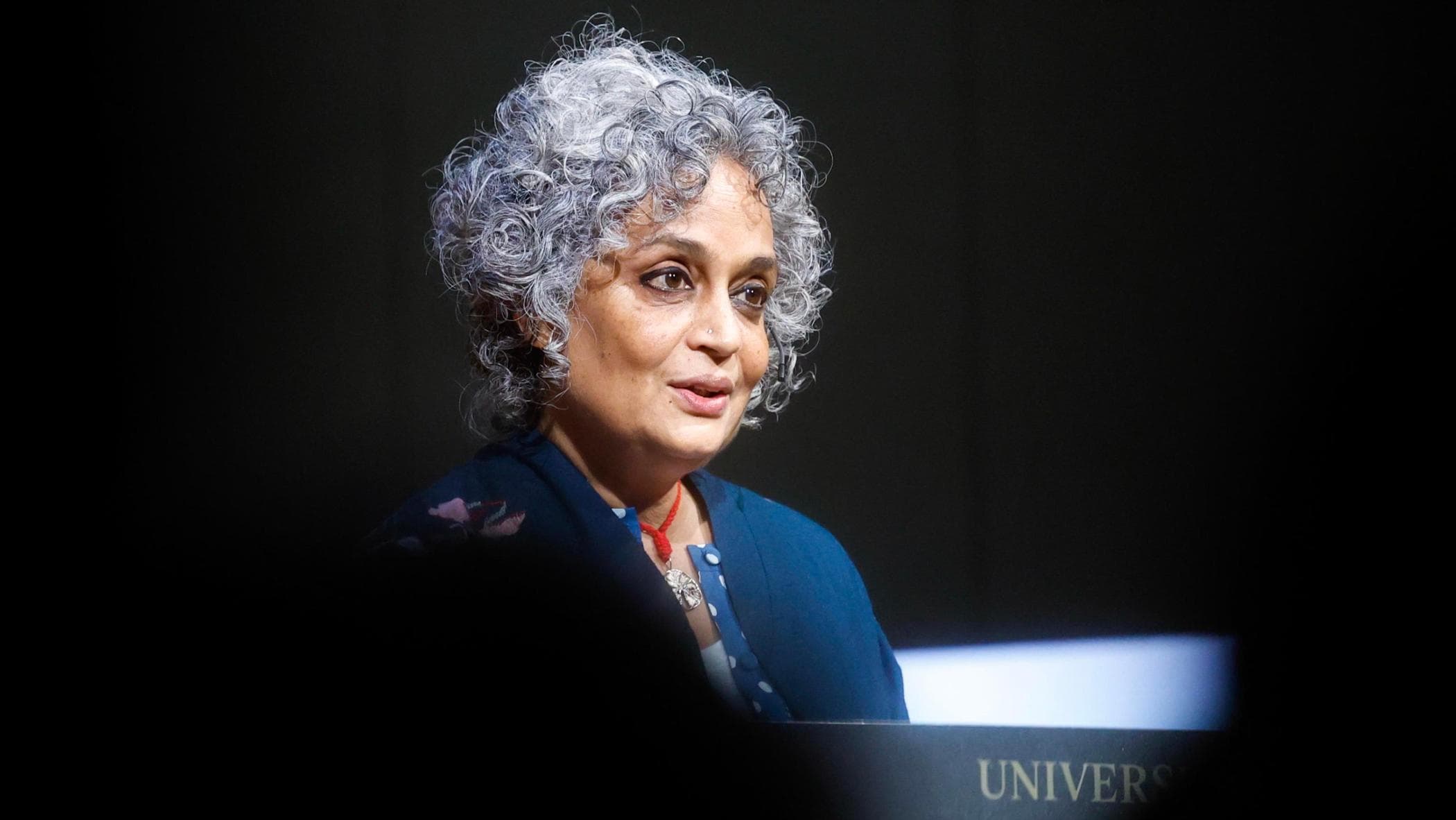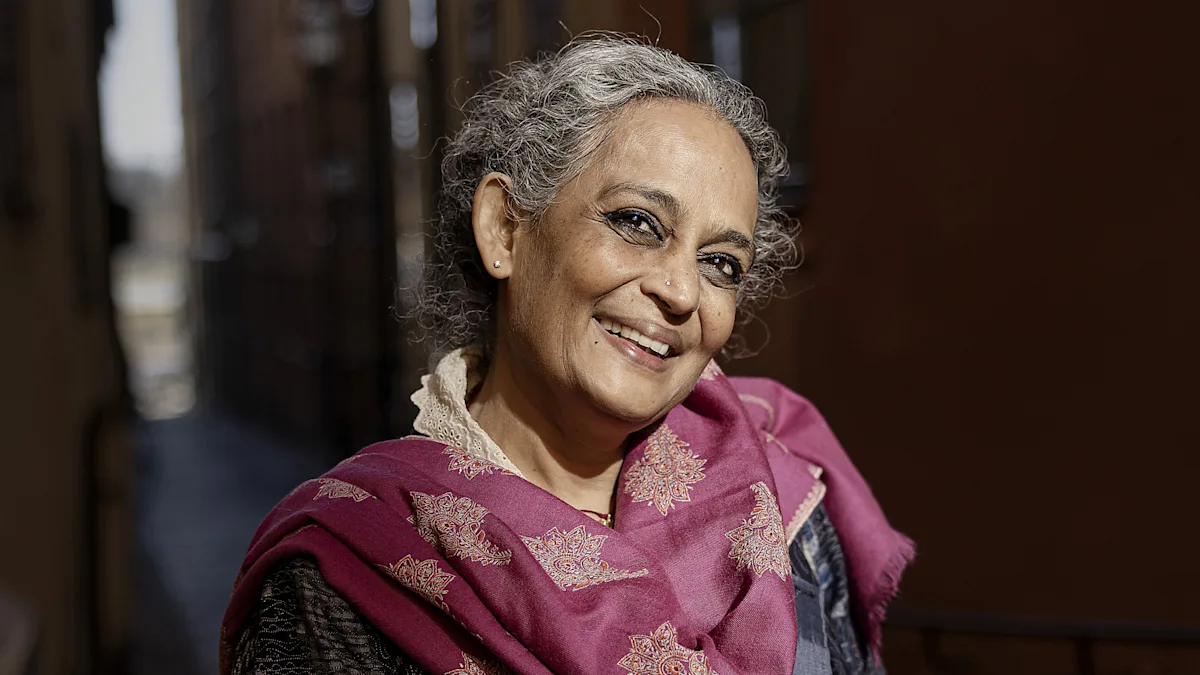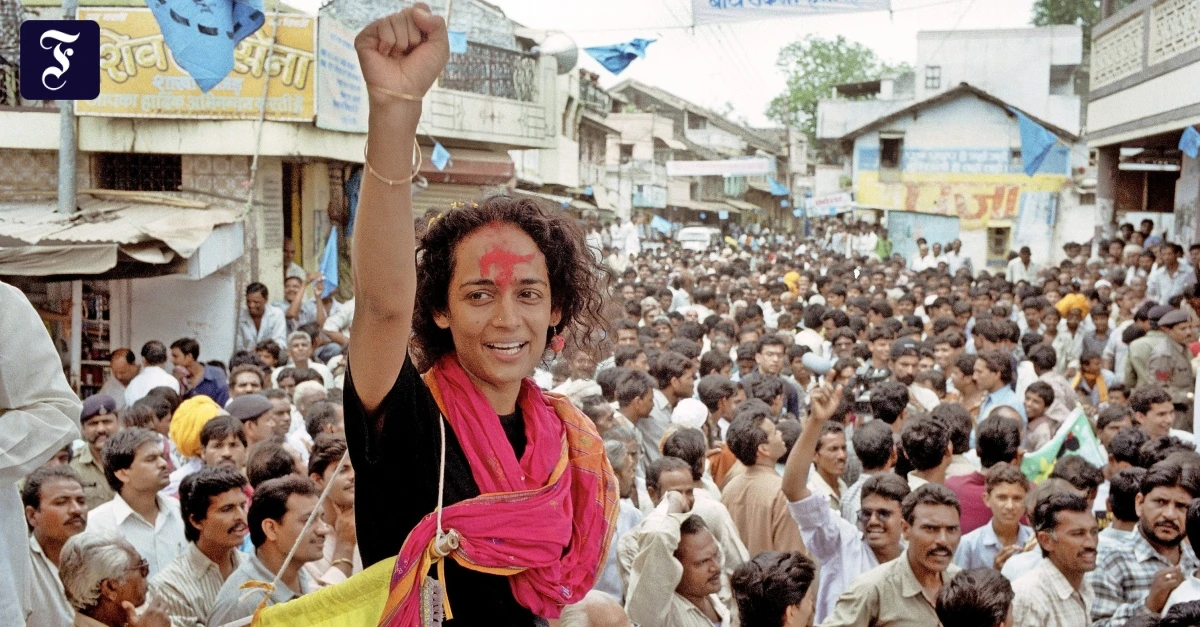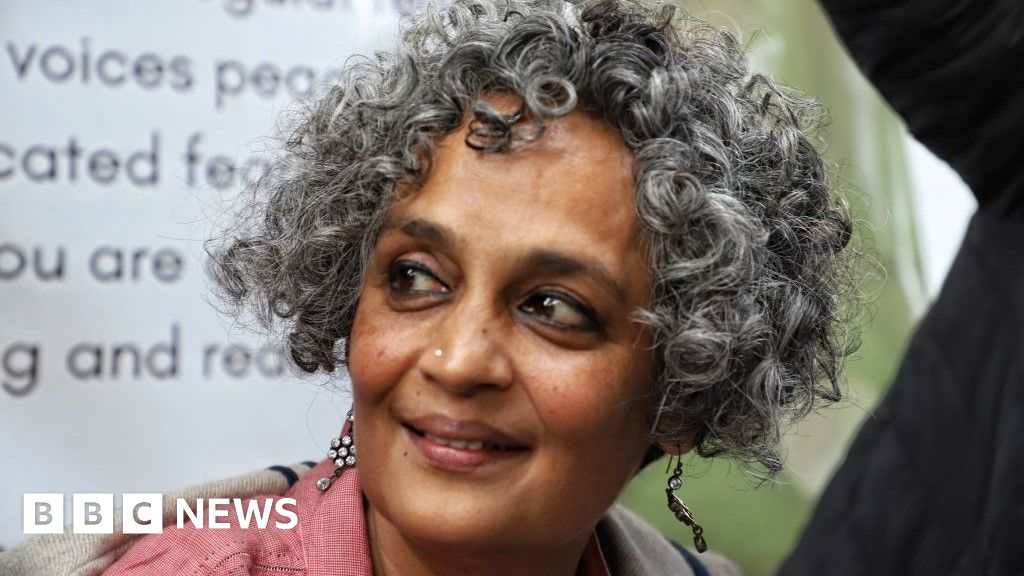
"Someone once asked me what my mother's greatest legacy to me was," Arundhati Roy said at a private gathering in the Indian capital, Delhi, recently. "I said an overactive middle finger."
That crack - sharp, irreverent, wickedly funny - is the perfect way into the Booker Prize-winning author and activist's new memoir, Mother Mary Comes to Me. It is the story of Mary Roy, her formidable, mercurial mother: feminist icon, educator, crusader, eccentric, bully, inspiration. A woman who, as her daughter writes, was "my shelter and my storm".
Arundhati Roy was an architect, actor, screenwriter and production designer before turning novelist. Her debut The God of Small Things - a childhood-inspired family saga - won the 1997 Booker. It was hailed by John Updike as a "Tiger Woodesian debut" and made her a celebrity at 36. It has since sold more than six million copies and made her wealthy. The prize gave her the "freedom to live and write on my own terms".
Then, after a 20-year detour into essays - that split public opinion and earned her both reverence and vilification - and a second novel, Roy has returned with her first memoir.
It is not a hagiography but a raw account of a mother-daughter bond she calls "a respectful relationship between two nuclear powers. Which is OK, keep it cool". Its leitmotif is push and pull: unsettling, bruising, often brutal, yet ultimately life-affirming.