In this remarkable memoir, the Booker-winning novelist looks back on her bittersweet relationship with her mercurial mother
T
welve minutes into an interview with Allen Ginsberg for the BBC’s Face to Face, Jeremy Isaacs asks him about the extraordinary long poem he wrote about his mother: “In Kaddish, you mourn your mother. What was the effect on you of living with a mother who was mad?” Ginsberg’s answer, mildly inflected by a laugh, is: “It gave me a great sort of … tolerance for eccentric behaviour.”
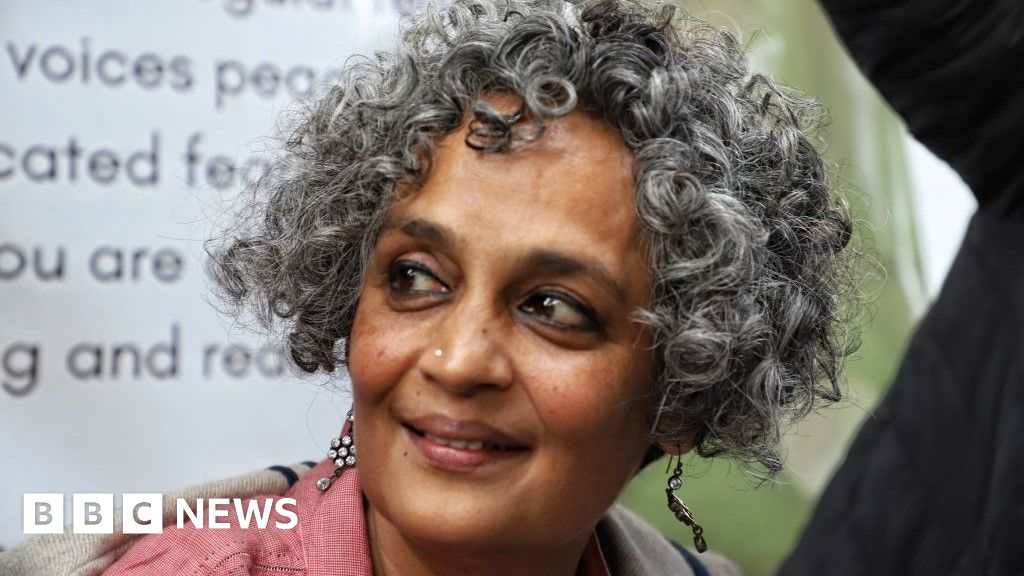
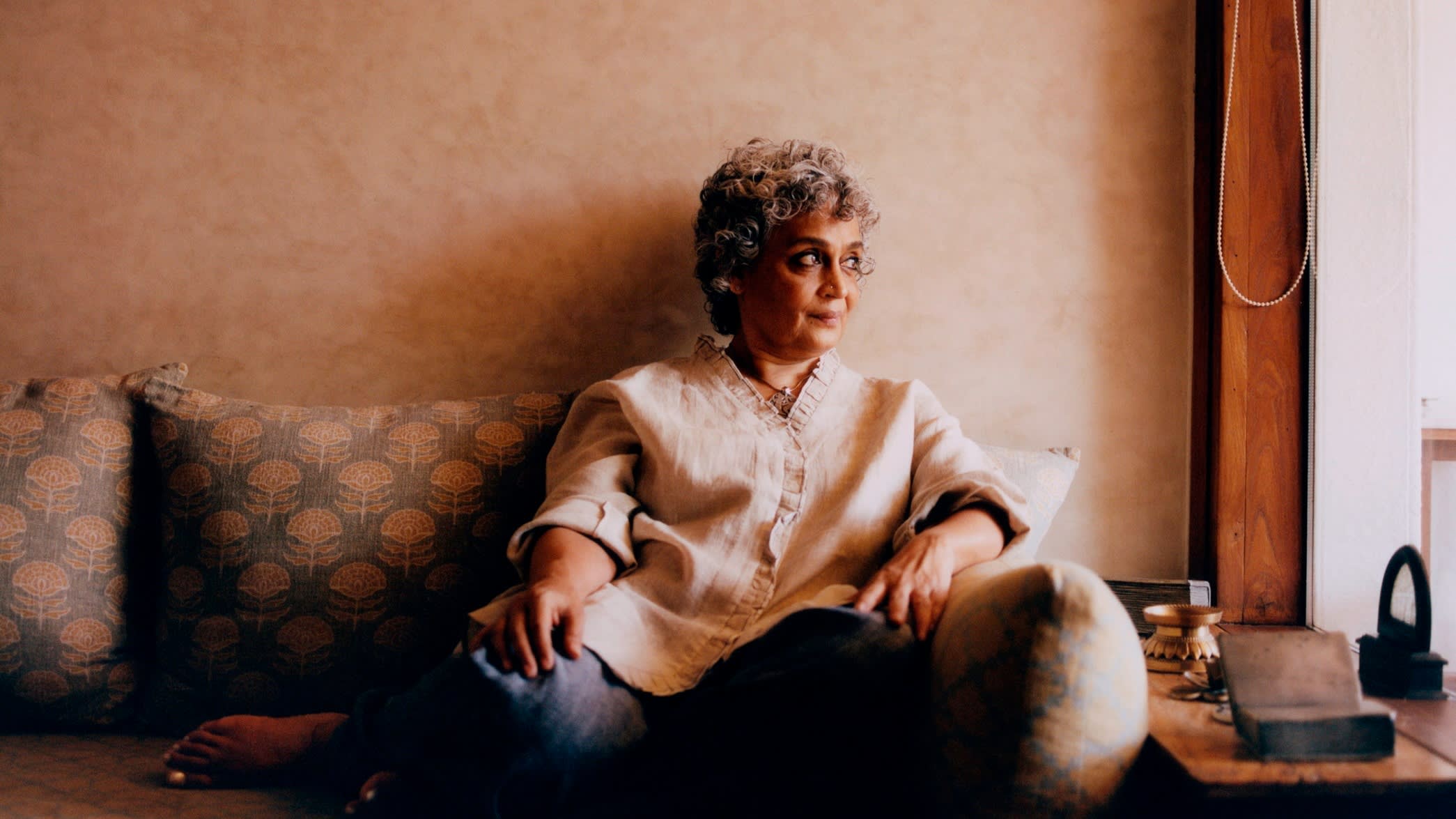
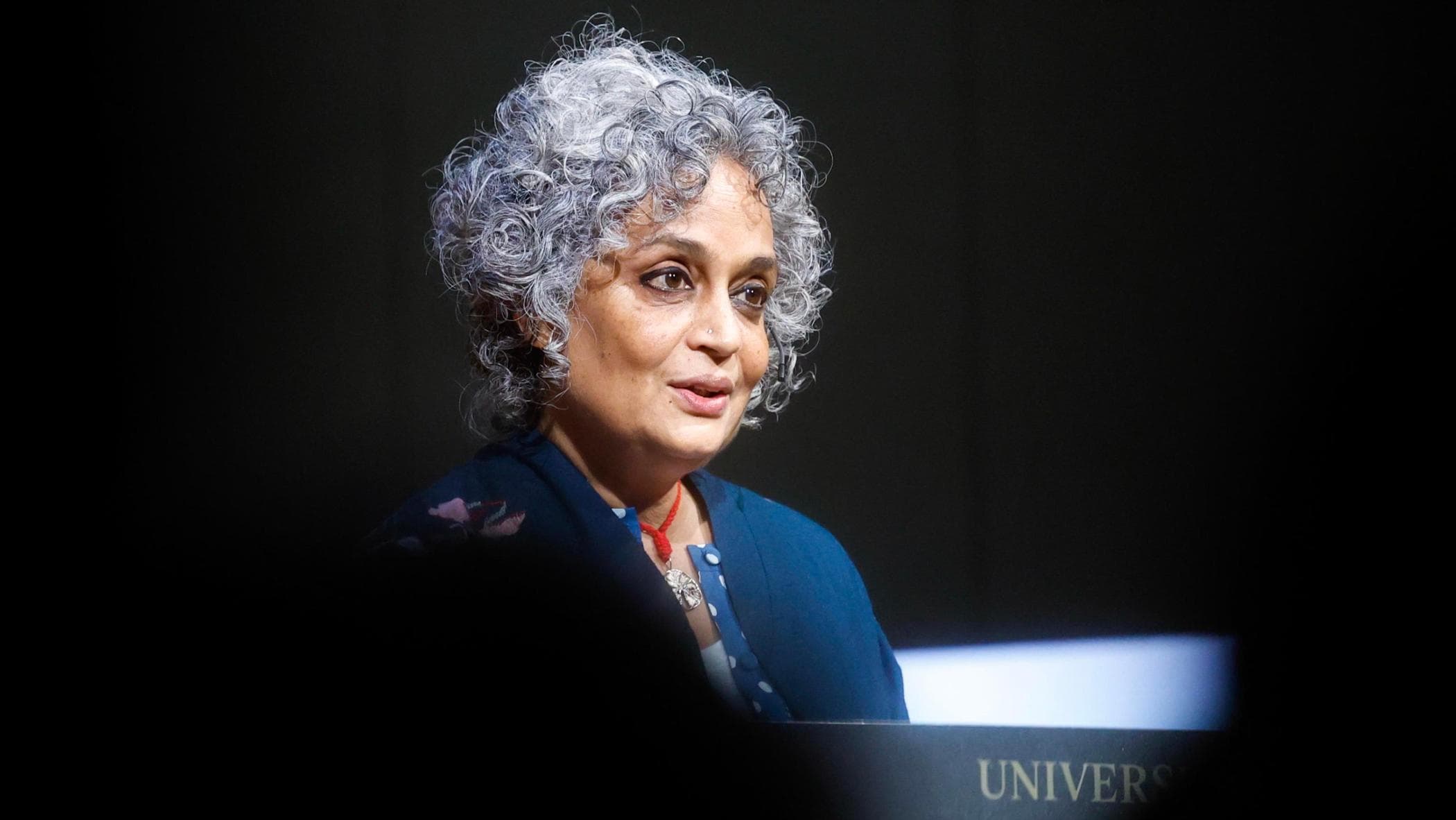
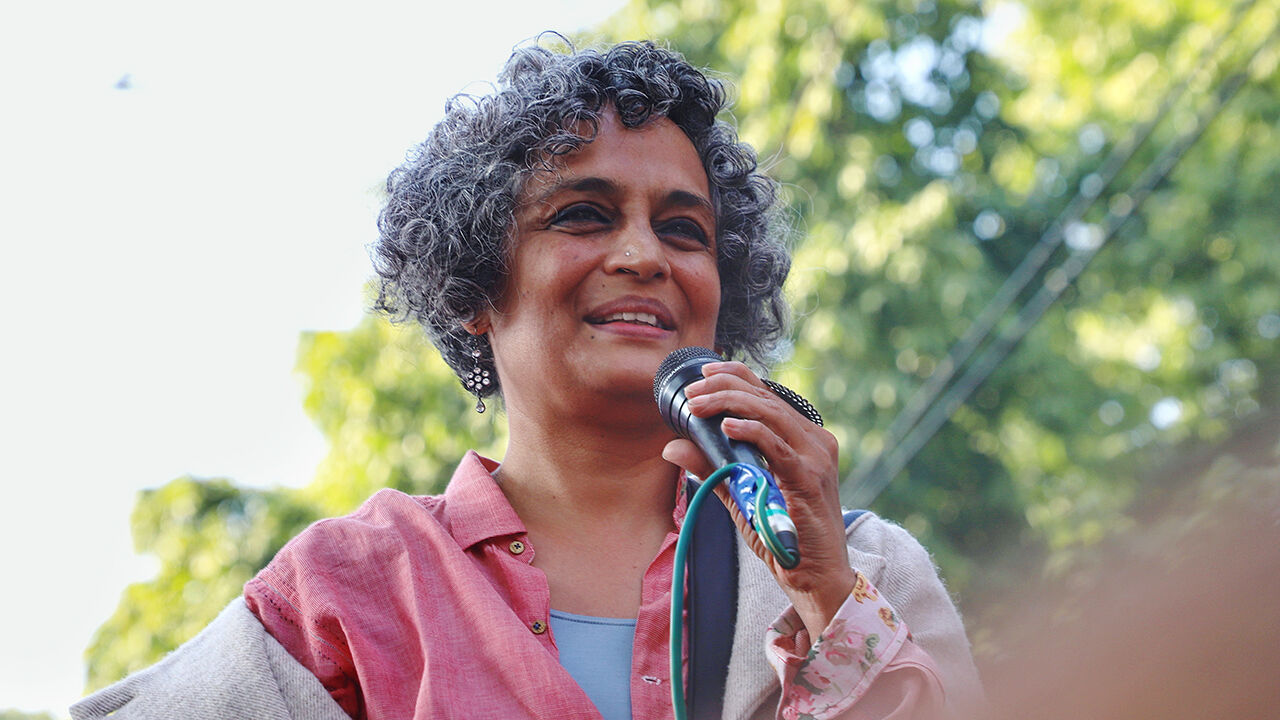
Arundhati Roy, whose memoir is partly an account of her life with her mother Mary Roy, might recognise this insight. Arguably, all mothers appear to their children as mad: madness here meaning an unbounded force, at odds with what society imagines normal parenting to consist of. The manifestations of this madness are as disparate as those of love, and these two aspects – the abnormal, the overbearing, and the protective, the nurturing – can be, in our mothers, intimately intertwined (“She was my shelter and my storm,” writes Roy). It is through loving and depending on the mysterious and incomprehensible that we come to “tolerate”, even embrace, the strangest thing of all: life itself.
Mary Roy was a kind of visionary, but she seemed to drive people around her mad, as well as being frequently driven mad by them. A Christian from Kerala, she escaped her parents by marrying a member of the Bengali bourgeoisie, known to his friends as Micky Roy, before leaving him when he became an alcoholic, “a Nothing Man”. She took her children, Arundhati and her brother Lalith, to a “cottage that belonged to our maternal grandfather” in Tamil Nadu, but came up against her family’s invocation of a law governing inheritance in her community: “daughters had no right to their father’s property and we were to leave the house immediately”. Finally they came to Aymanam, a village in Kerala (spelled “Ayemenem” by Roy, recognisable as the village in The God of Small Things), staying first with their family, “extraordinary, eccentric, cosmopolitan people, defeated by life”, before once more falling out with them. Mary then set up her own home and, eventually, a school that developed a national reputation.