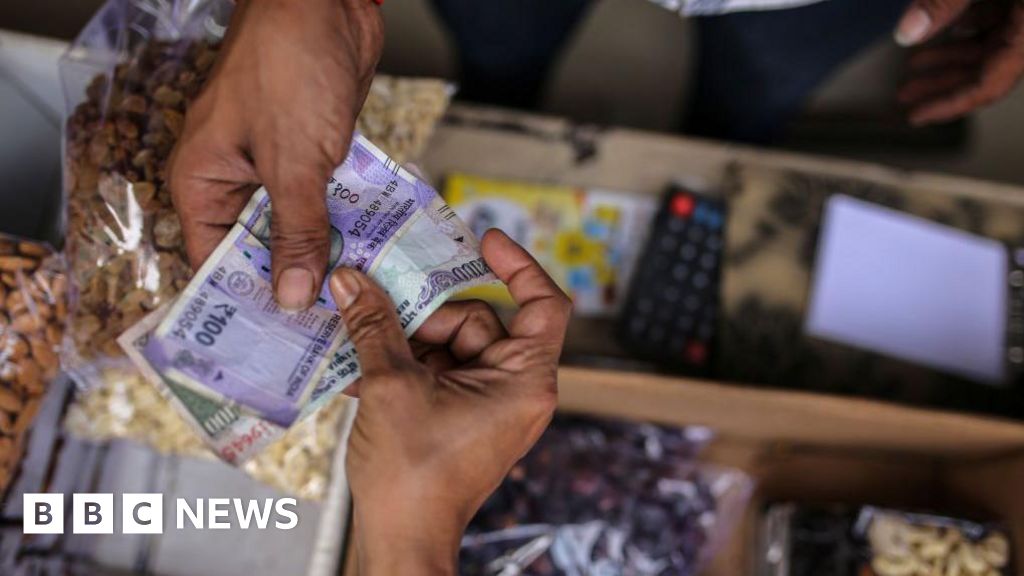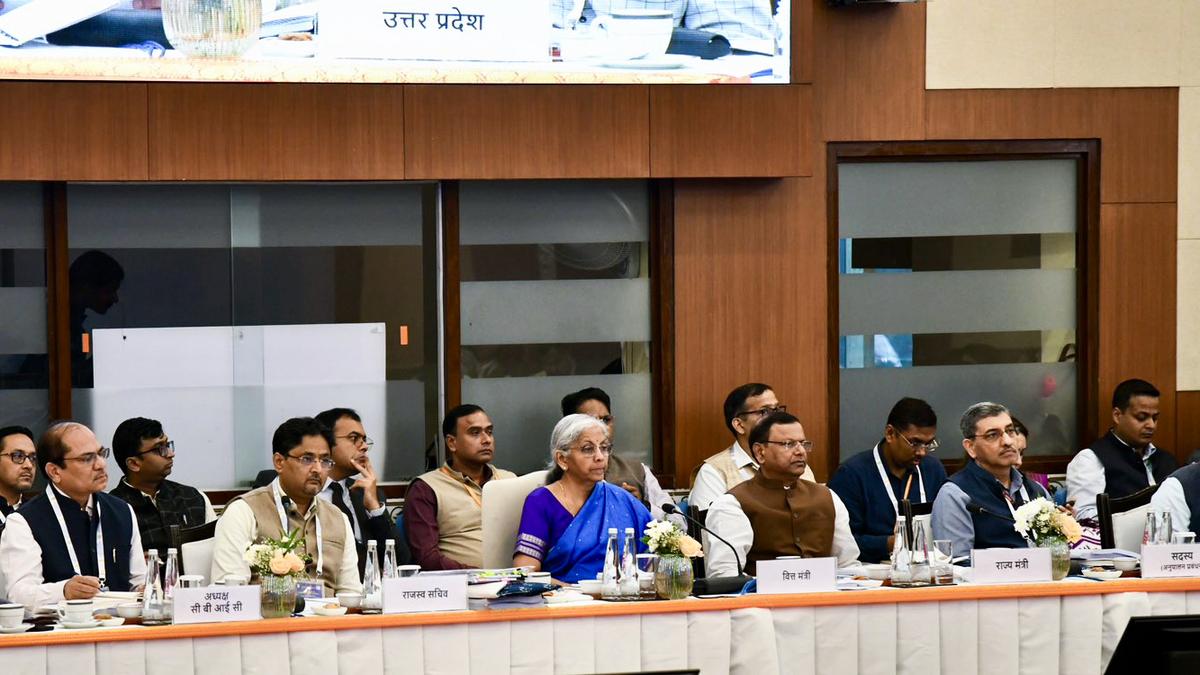
The Indian government’s move on Wednesday to formally reduce the goods and services tax on a variety of items is expected to spur consumption and ease the impact of U.S. tariffs.
The GST reductions and an earlier round of income tax cuts in April should boost consumer demand and corporate profits in the near and medium-term, Citi Research said in a note Thursday.
Indian households are expected to get a boost in spending power equal to 0.7% and 0.8% of GDP in the fiscal year ending March 2026, Citi economists said, while the GST cuts could reduce inflation by 1.1 percentage points if the full tax cut is passed on to consumers.
India’s GST, which was criticized in the past for being complicated, was simplified to a two-rate structure of 5% and 18%, instead of the current four slabs. An additional 40% tax on “super luxury” and “sin” goods such as cigarettes and high-end cars was also introduced.
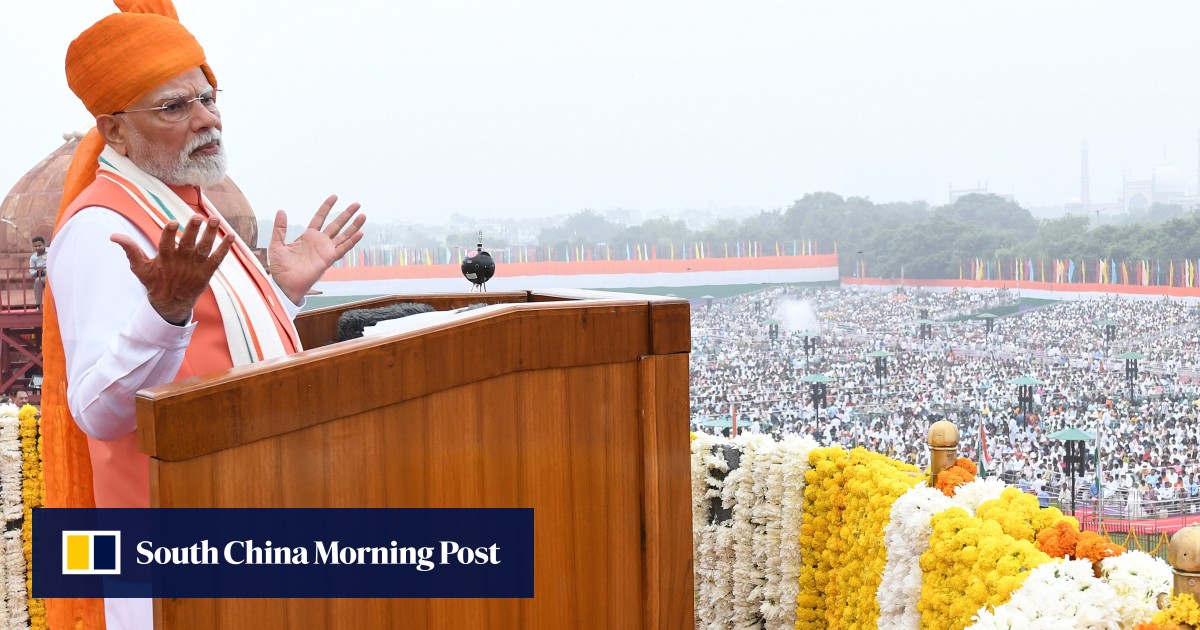
These tax cuts, which Indian Prime Minister Narendra Modi first mooted in August on the country’s Independence Day, come at a time when Indian exports to the U.S. are facing 50% tariffs. India’s largest exports to the U.S. include textiles, gems and jewelry, as well as seafood, which are expected to be the worst affected.