Fans say they’re the perfect food. No wonder they’re having a moment on restaurant menus. But how hard is this shellfish to prepare at home?
I
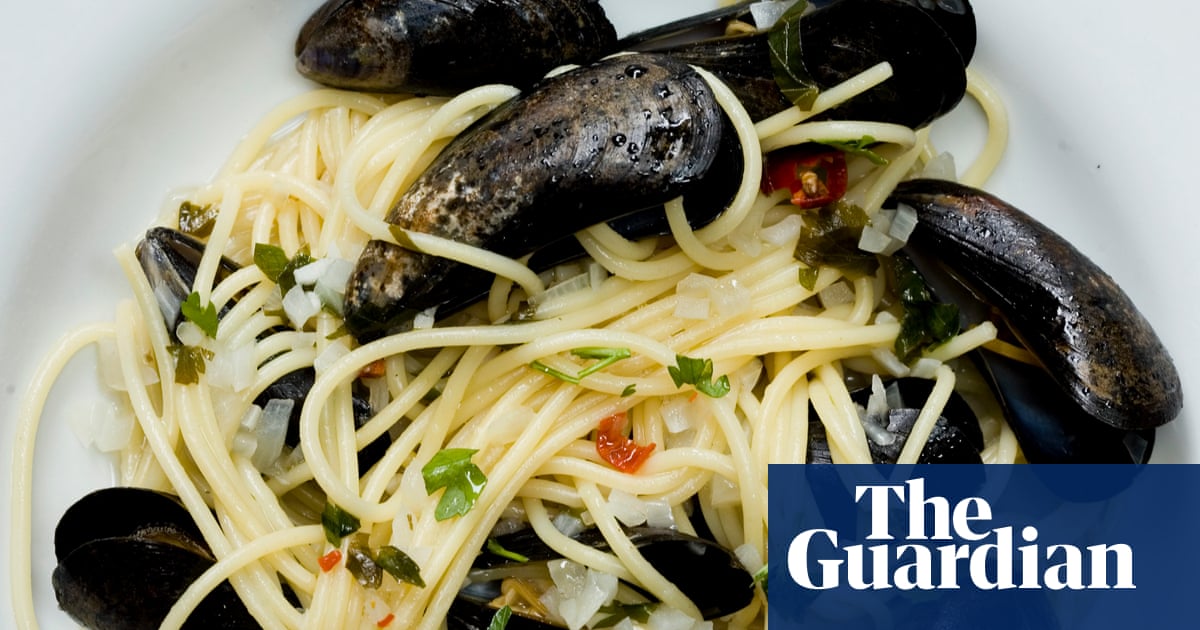
t might be that they’re cheap. It might be that they’re healthy. But, in all likelihood, it’s “because they are just delicious”, says seafood chef Mitch Tonks. Whatever the reason, mussels are having a moment. Where once moules meant marinière (the classic French dish with white wine and parsley), now you can find them skewered, popcorned, pickled, barbecued, and even breaded and served in a burger bun.
Mussels are making waves not just along the coast of Britain but in restaurants and recipes across the land. And they are being greeted with growing excitement, too, because, unlike the majority of food that becomes a fad, creating spikes in demand that cannot help but damage a group of people or their environment, there are no downsides to going mad for mussels.
They are “a no-brainer”, says Charles Banks, co-founder and director of The Food People, the global food trends agency. “It’s not often you get those foods that make economic and ecological sense and are delicious as well as healthy.” Ask Banks, Tonks or, indeed, anyone who knows anything about mussels why they are perfect, and the resulting eulogy is like a bivalve version of the sonnet “How do I love thee? Let me count the ways”.