The seaside equation remains eternal. Sand, salt water, a glass of something cold, maybe a scandalous novel you’d never read at home. But finding this enduring low-key pleasure, away from the Instagram hordes, is getting harder and harder; we have to work more to relax. In Cap Ferret, that extra effort pays off in a big way.
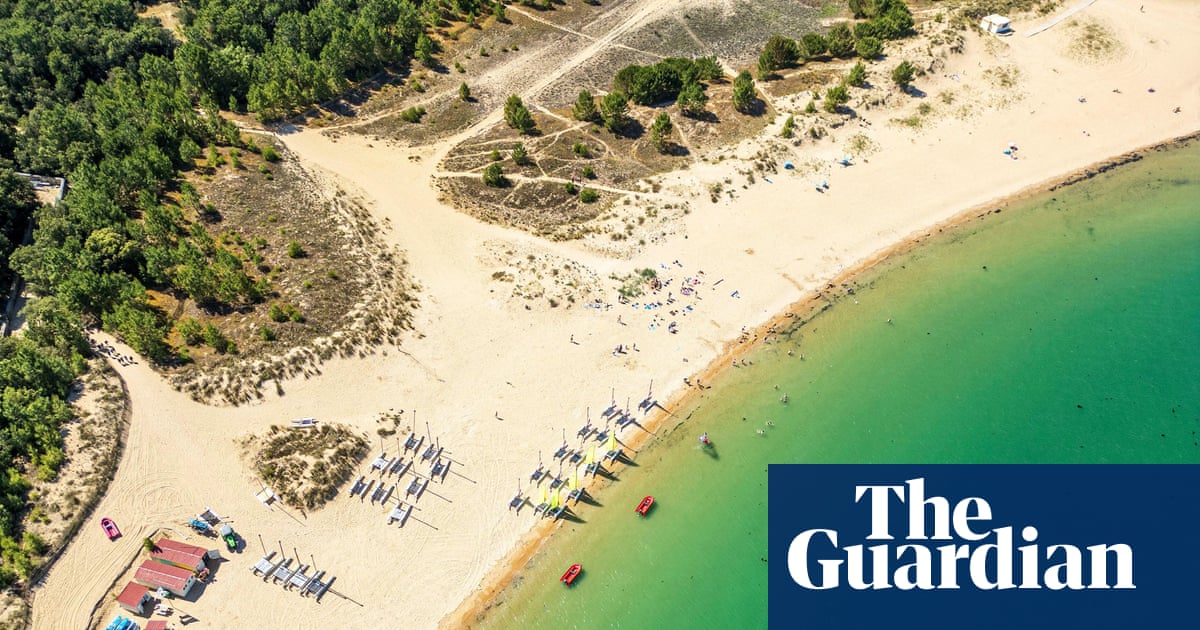
Even the name can throw people off – often confused with glamorous Cap Ferrat on the French Riviera, which has historically attracted the kind of people known by one name: Picasso, Churchill, Chaplin, Bono. This other cape is about an hour’s drive west of Bordeaux, on increasingly smaller roads. It extends 11 miles south, between Arcachon Bay and the Bay of Biscay, a thin stretch of land lined with pine forests that was mostly populated by fishermen until an engineer, Léon Lesca – who built railroads in Algeria – was given a stretch of the bayside property by Napoleon III. Lesca built a villa, now demolished, but his Moorish-style church, striped red and white, remains.
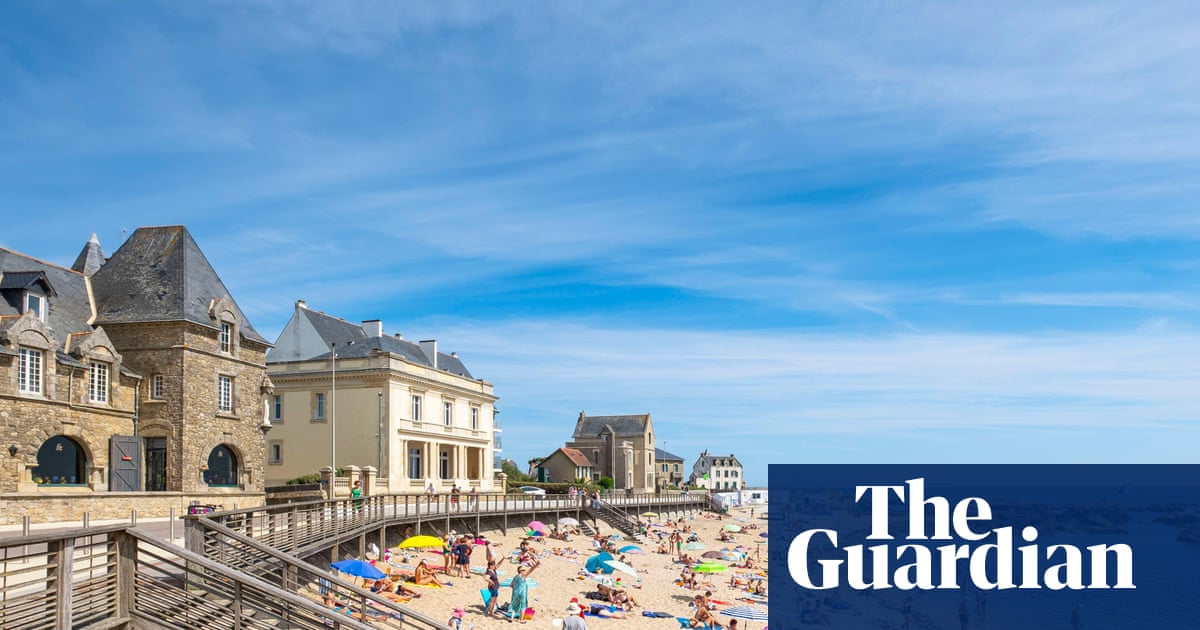
Houses overlooking the sea in Cap Ferret © James Harvey-Kelly
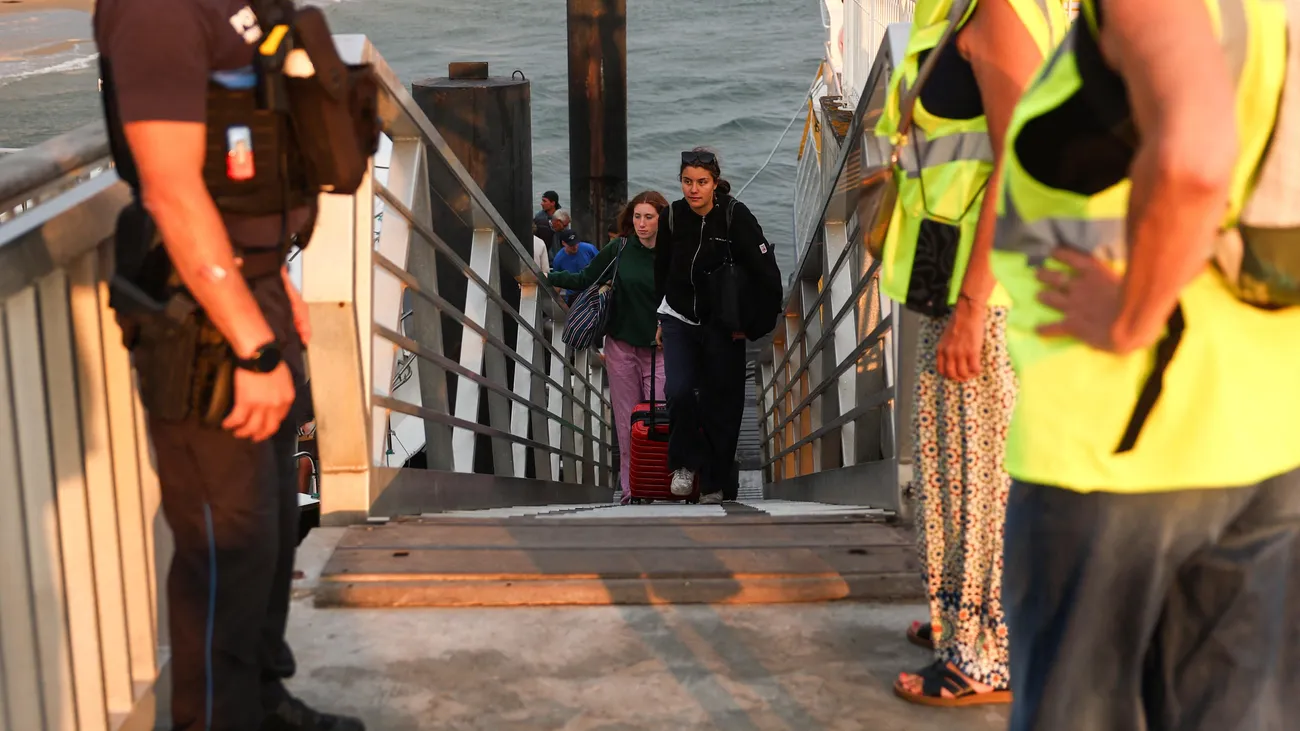
These days, it’s much easier to get to Cap Ferret. For years, Bordelais families have come on vacation; now that you can take the TGV to Bordeaux, the Cap feels much closer. I took the train all the way to Arcachon, walked 10 minutes to the pier and rode the short ferry across; it’s a romantic arrival and a rewarding option for those who pack light. However you get there, you can mostly abandon the car – Cap Ferret invites a slower pace, which is to say the land is flat and the destinations are close together. The town is beside a beach that, for the most part, looks across the tidal basin (the Bassin, they call it) at the more developed Arcachon and down to the compelling Dune of Pilat, the tallest dune in Europe.