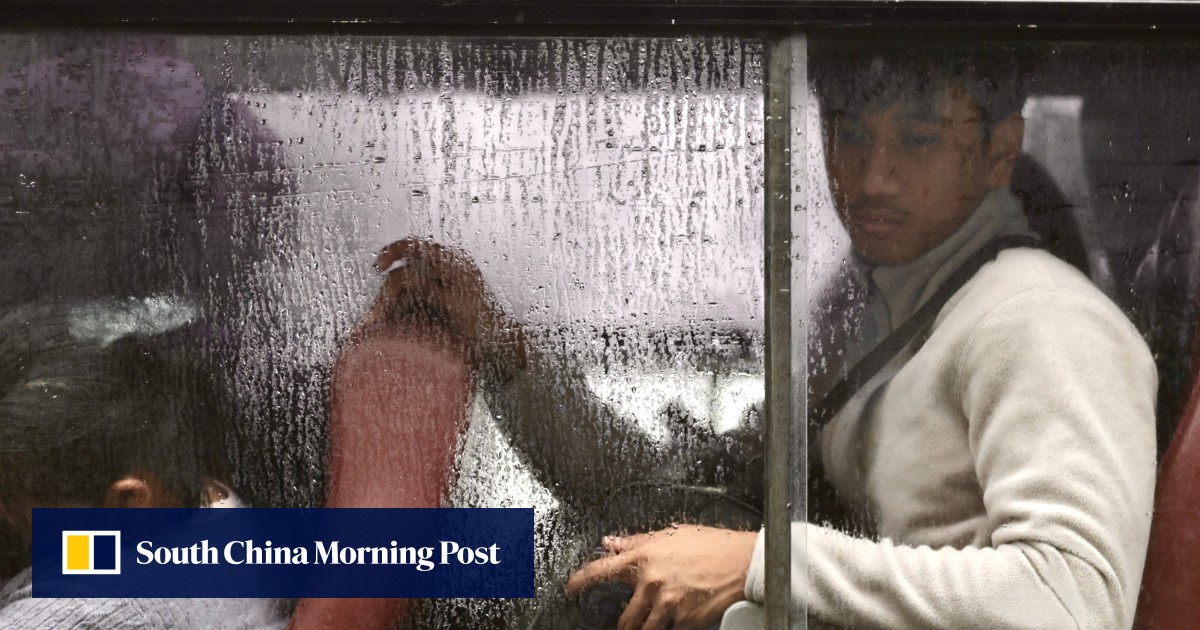
Young Filipinos say they feel trapped by economic stagnation, endemic corruption and a lack of opportunity
On humid afternoons in Balanga, a few hours west of Manila, 23-year-old communication arts major Aron Josh Santos often imagines life beyond the streets of his provincial hometown.
For now, he remains in Balanga on the Bataan peninsula, some 120km (75 miles) from Manila. Graduation is within reach, and with it, he hopes, a move to the capital. But aspiration comes burdened with doubt.
“At times, I feel pressure thinking that at 23, I’m still here in my province where opportunities are small – little to none,” Santos told This Week in Asia.
Santos entered university during the pandemic years, after enduring an extra two years of senior high school introduced a little over a decade ago under the Philippines’ K-12 reforms.