https://arab.news/z3h2y
Grim as the final month of 2025 were — with headlines dominated by mass shootings, crises and polarization — one positive development offers a glimmer of hope for the coming year. Across the developing world, younger people are demanding jobs, affordable food and fuel, economic opportunity, and action to slow climate change. From South Asia to Latin America, they are presenting political leaders with a stark choice: listen and respond or step aside and be replaced.
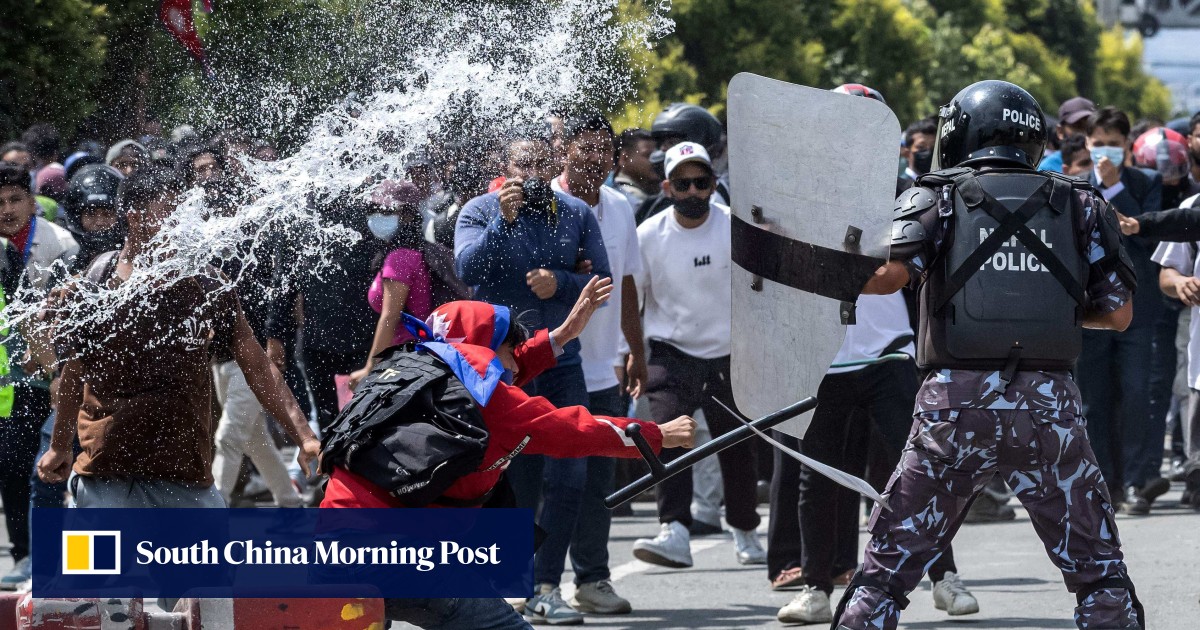
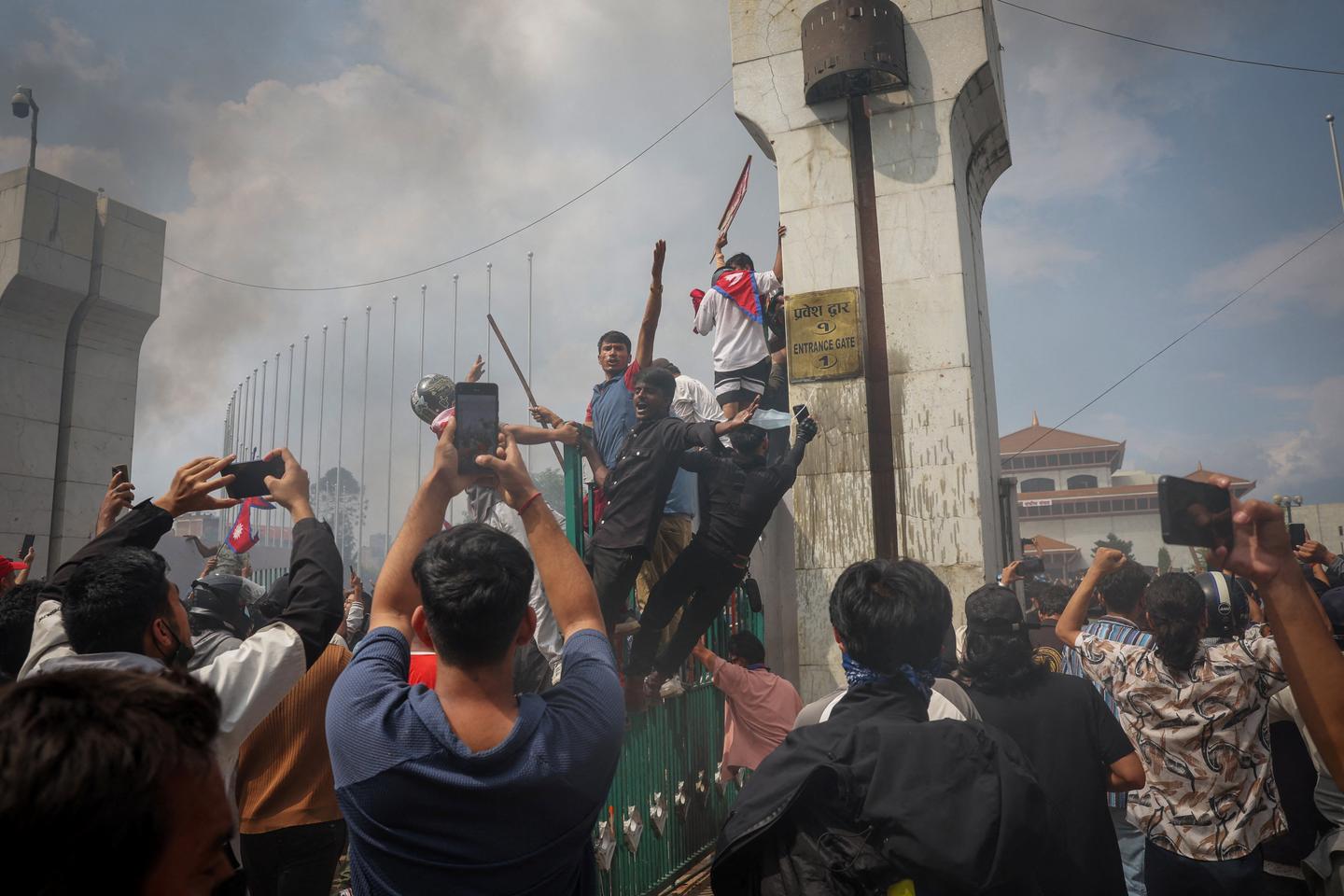
Nepal is a prime example. In September, the government banned 26 major social media platforms that had been used to expose the lavish lifestyles of politicians’ children, triggering protests over corruption, nepotism and a lack of opportunities for young people. The 73-year-old prime minister, K.P. Sharma Oli, then inflamed tensions further by mocking the thousands of teenagers who took to the streets. When security forces fired on crowds, killing at least 19 people and injuring hundreds more, demonstrators set fire to parliament and ransacked Oli’s private residence. He resigned the following day.
Some trace the current wave of unrest to Sri Lanka in 2022, when economic collapse and severe fuel and electricity shortages sparked a youth-led protest movement. Activists set up a camp outside the office of then-72-year-old President Gotabaya Rajapaksa, whose family had governed the country for 15 of the previous 18 years, accusing him of corruption and nepotism. Protesters eventually overran the president’s residence, forcing Gotabaya to flee the country.