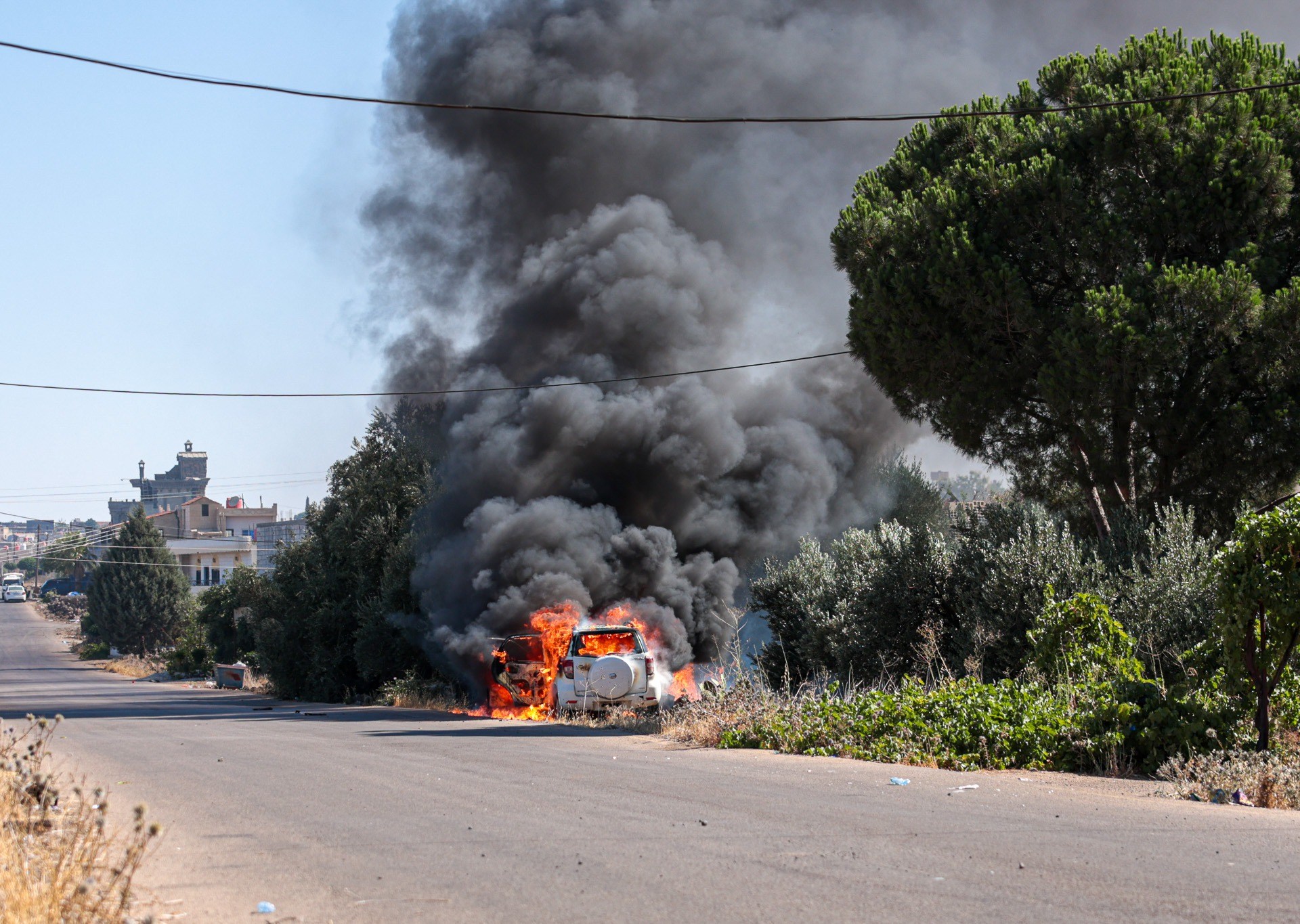
A history of outside incitement, along with present-day economic crisis and climate collapse, have contributed to intercommunal tensions.
By Haian Dukhan and Dawn Chatty
Haian Dukhan is a research fellow at the Centre for Religious Studies at the Central European University. Dawn Chatty is Emeritus professor at University of Oxford and Fellow of the British Academy.
The flare-up of violence in Syria’s southern province of Suwayda in July has once again raised fears that the country may slip back into conflict. Media headlines were quick to paint this as another episode in the region’s longstanding “sectarian strife” between Druze and Sunni Bedouin communities. But such framing obscures more than it reveals.
The reality is more complex. While sectarian identities have been invoked during periods of tension, the root causes of this conflict lie elsewhere: in historical disputes over land and pastures, in competition over smuggling routes and state patronage, and in economic collapse exacerbated by prolonged drought and climate change. To reduce this flare-up to a matter of religious hatred is to erase the deeper political ecology and social history of the region and obfuscate ways to resolve tensions.