T
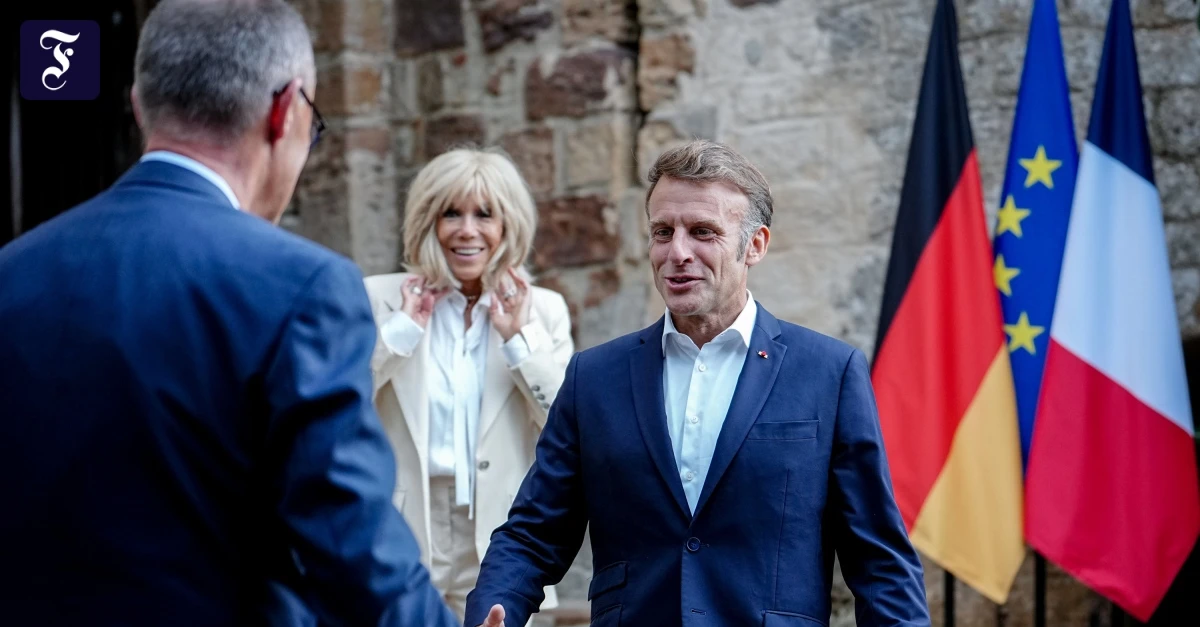
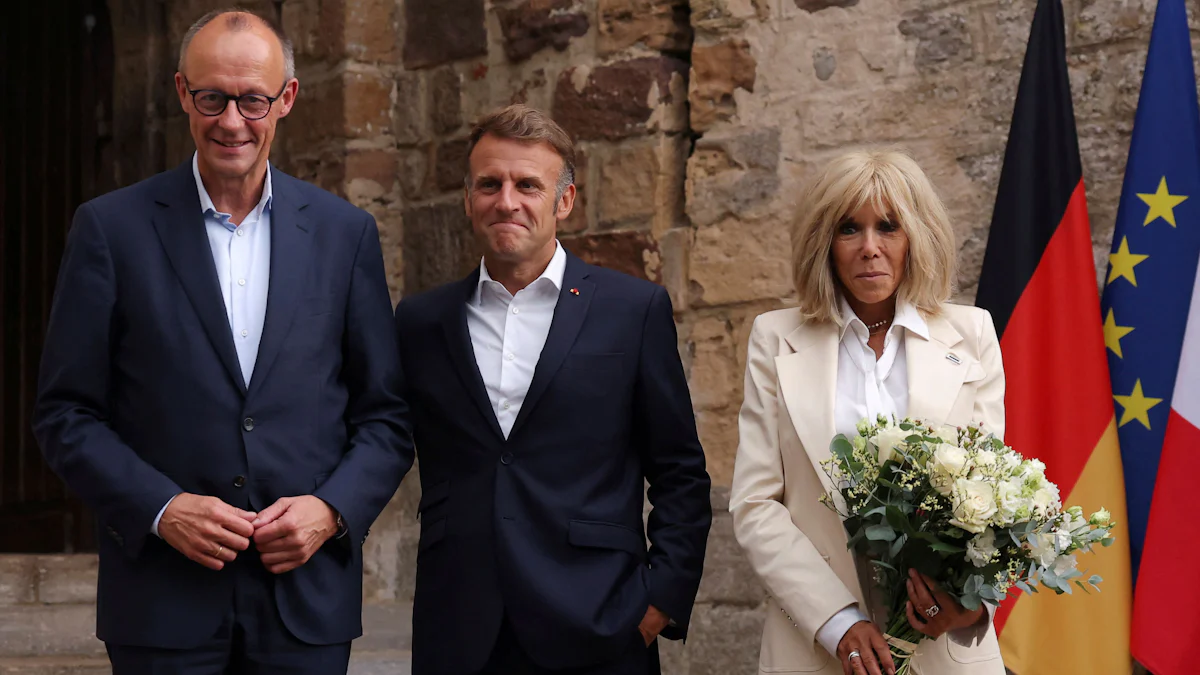
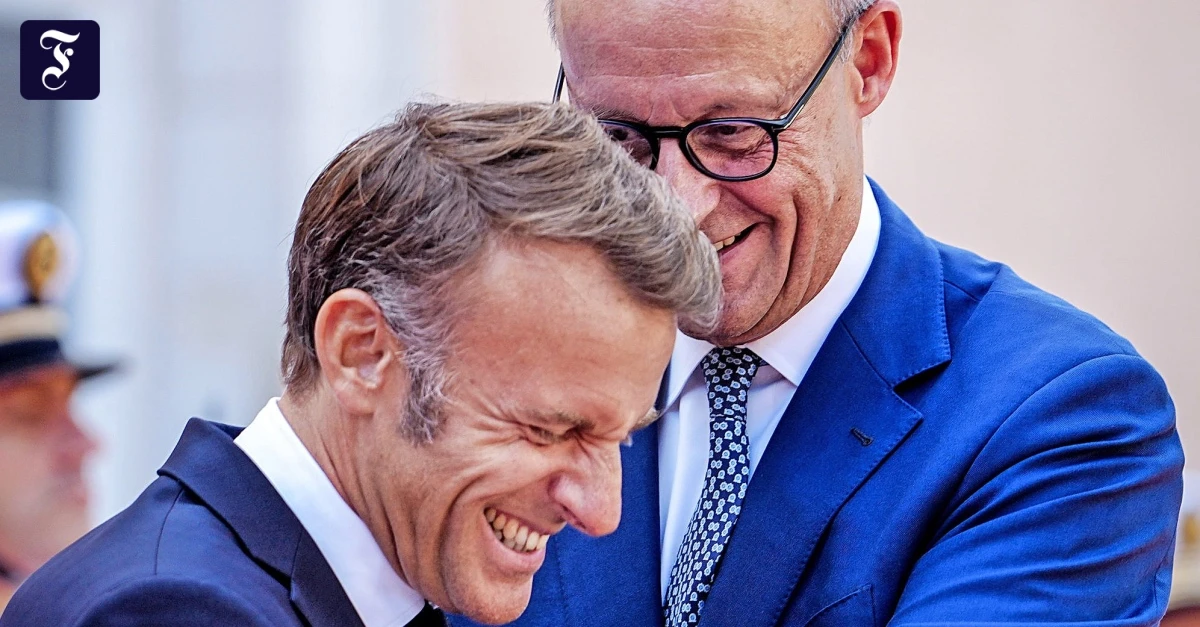
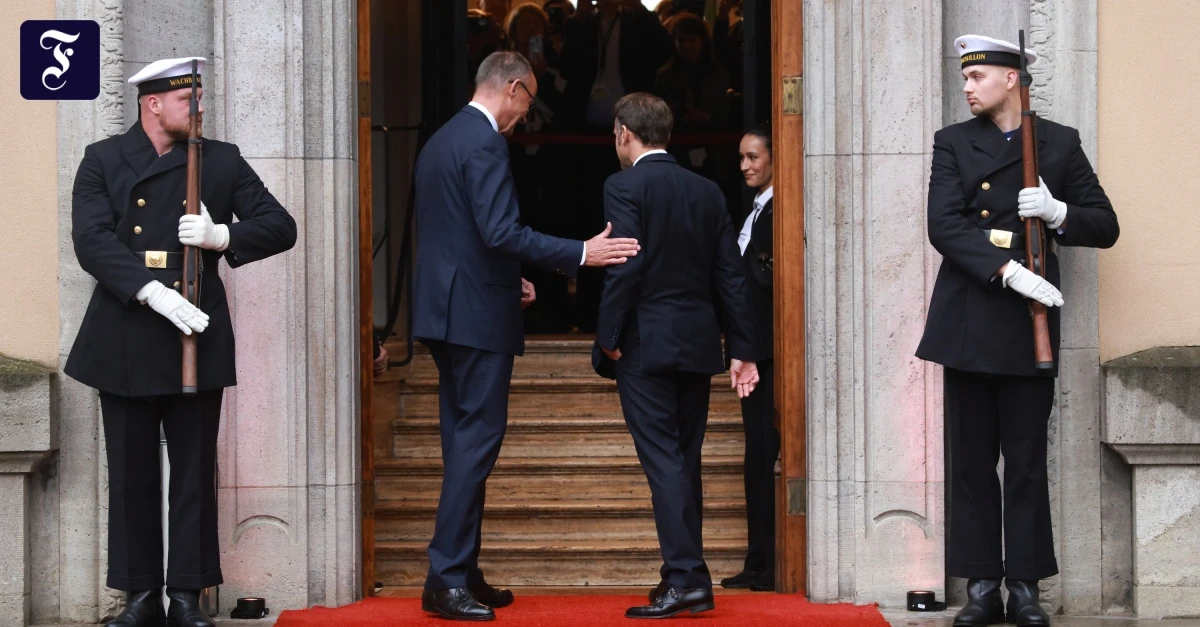
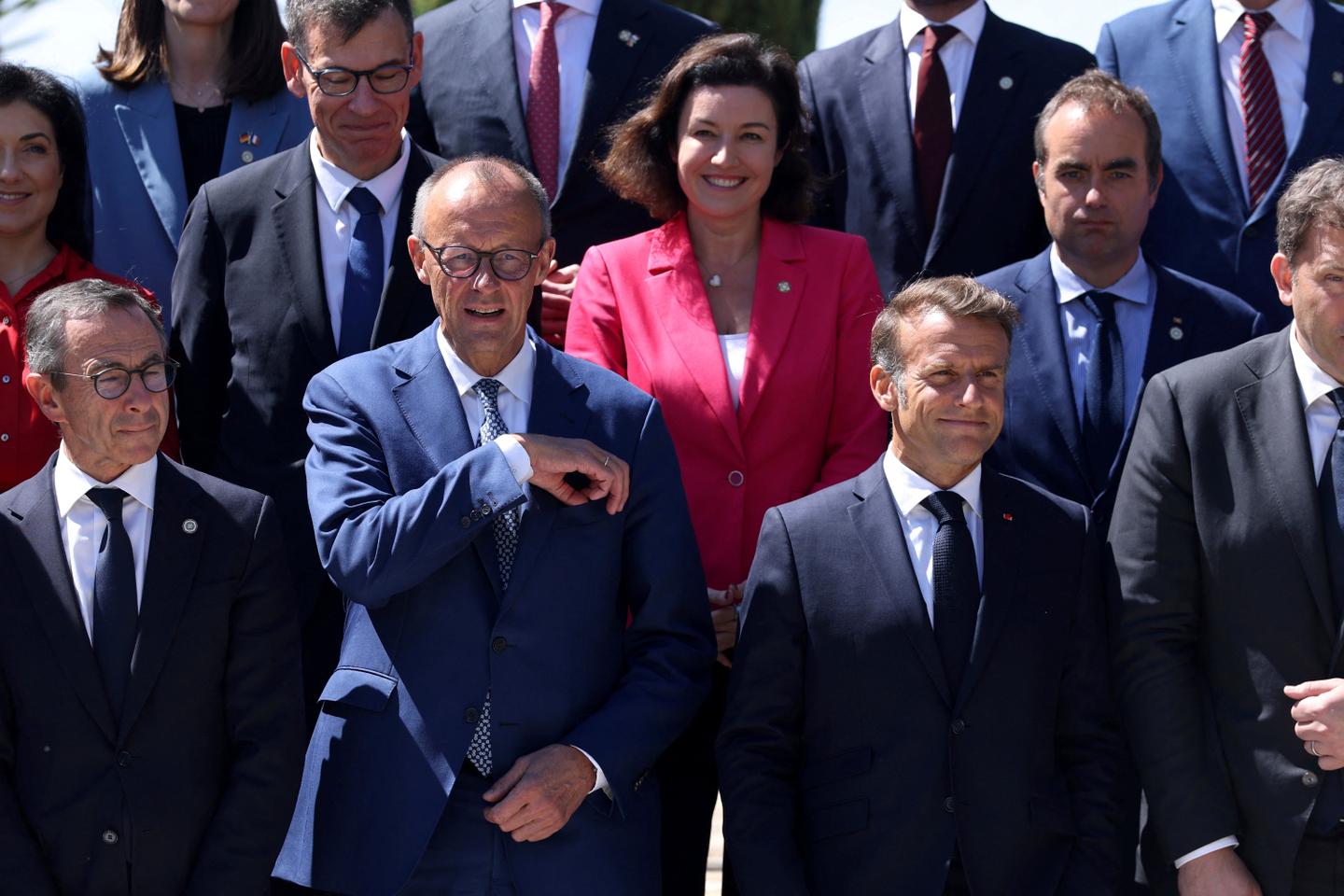
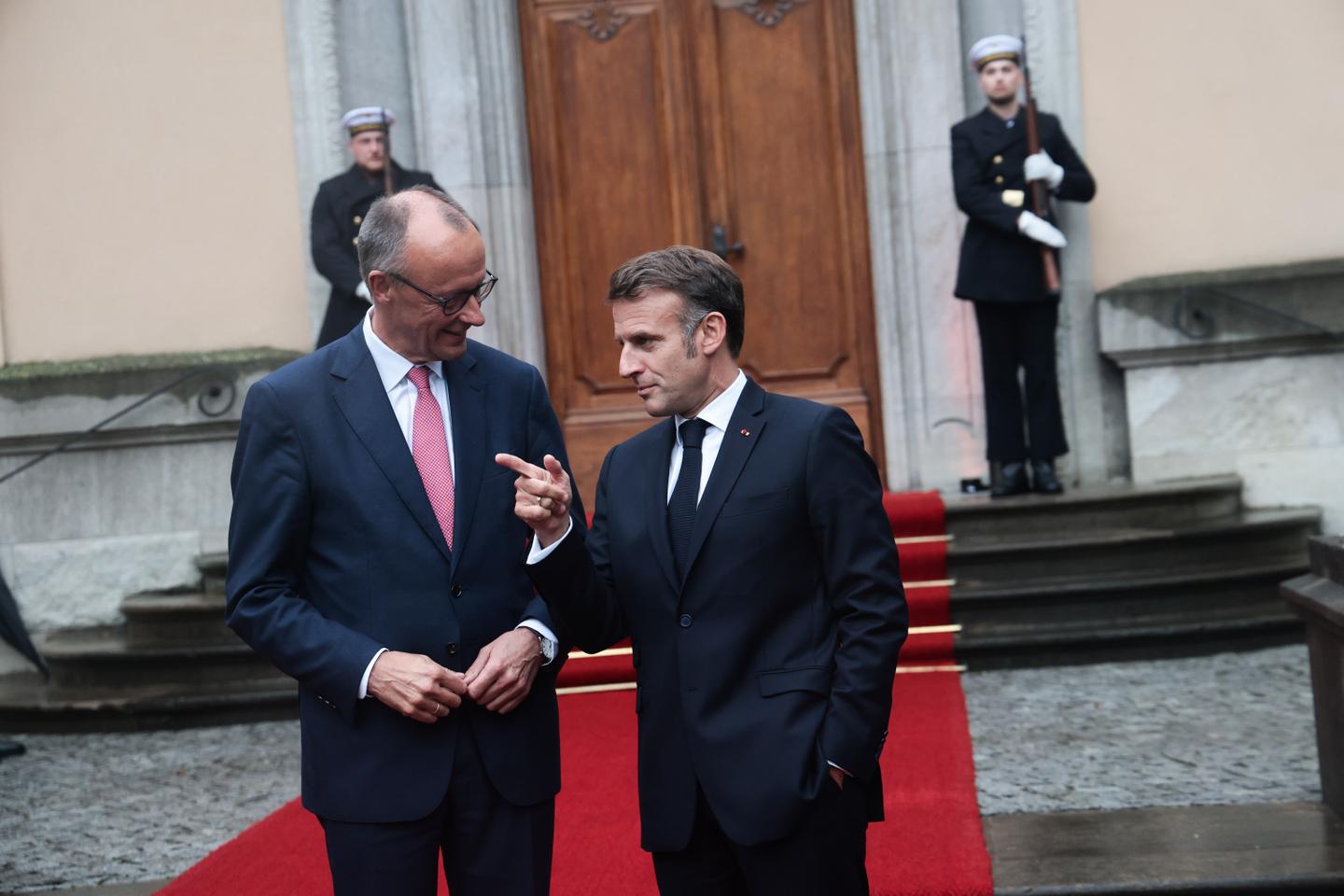
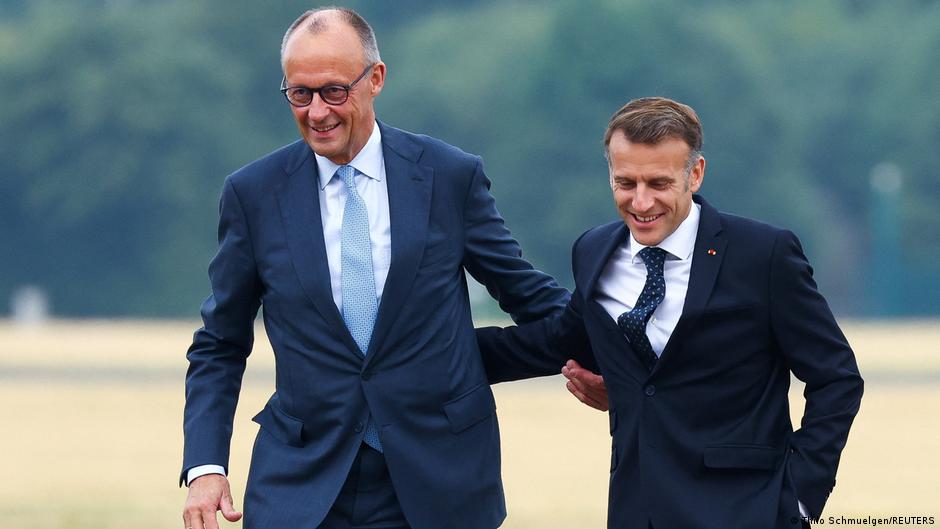
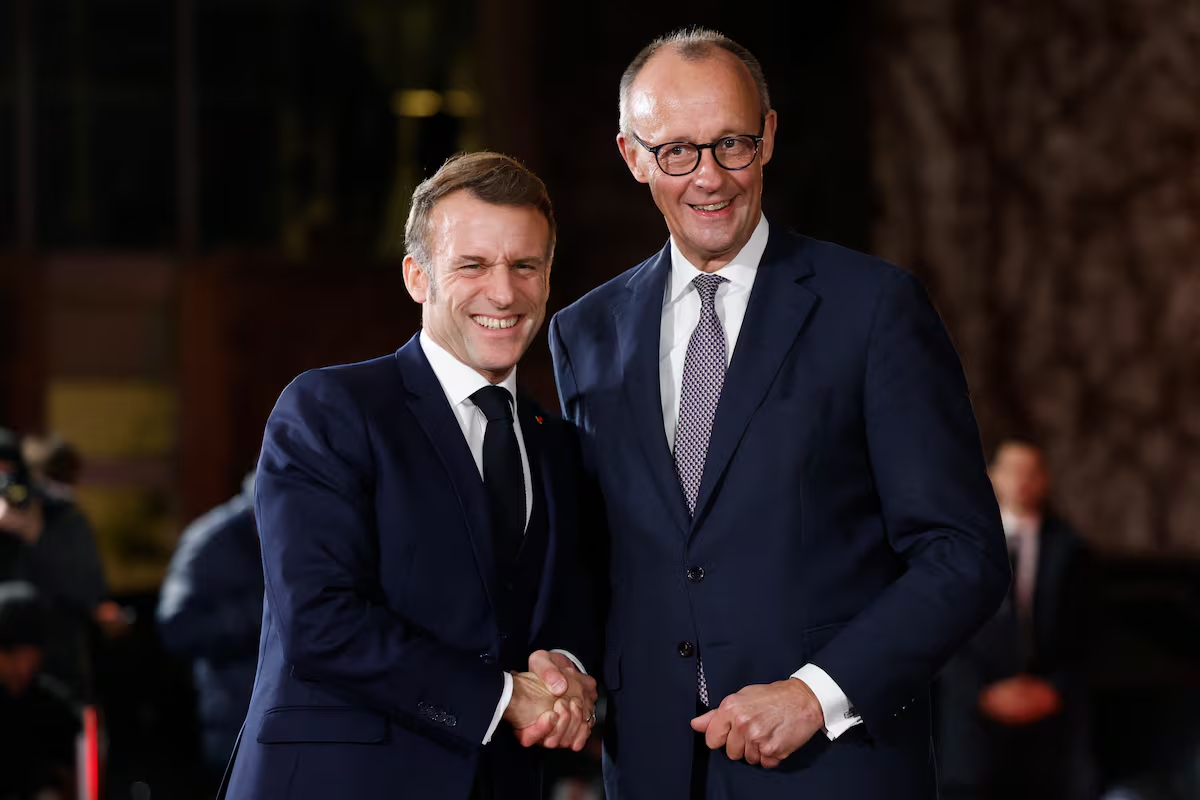
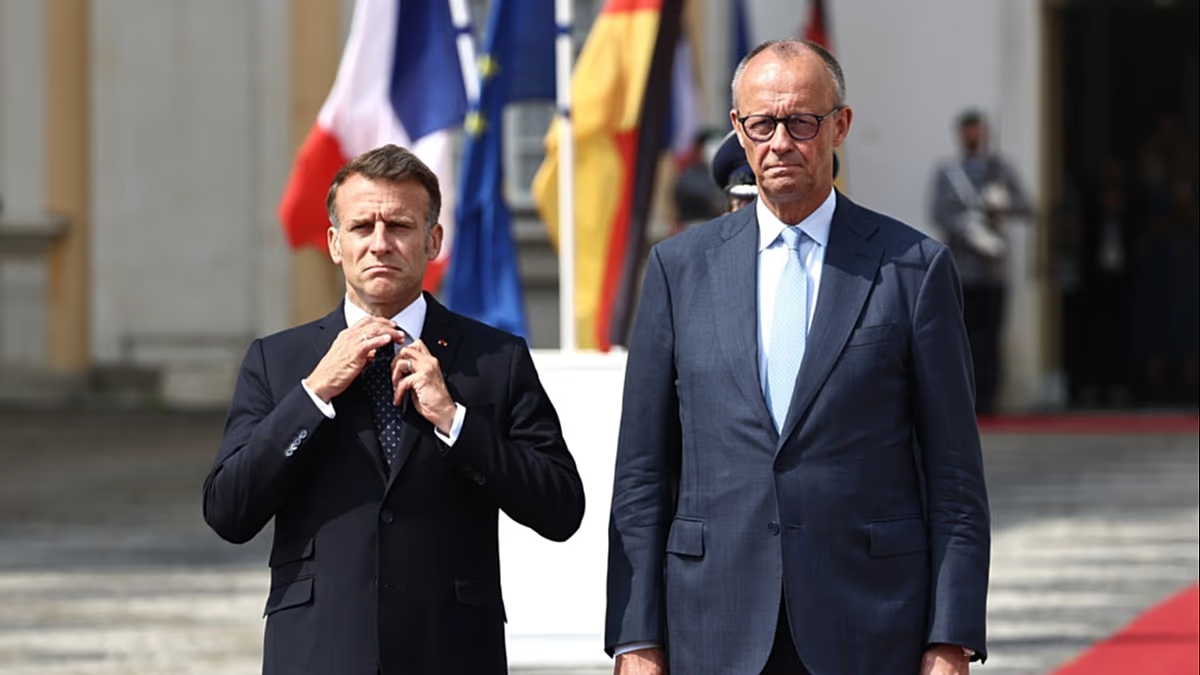
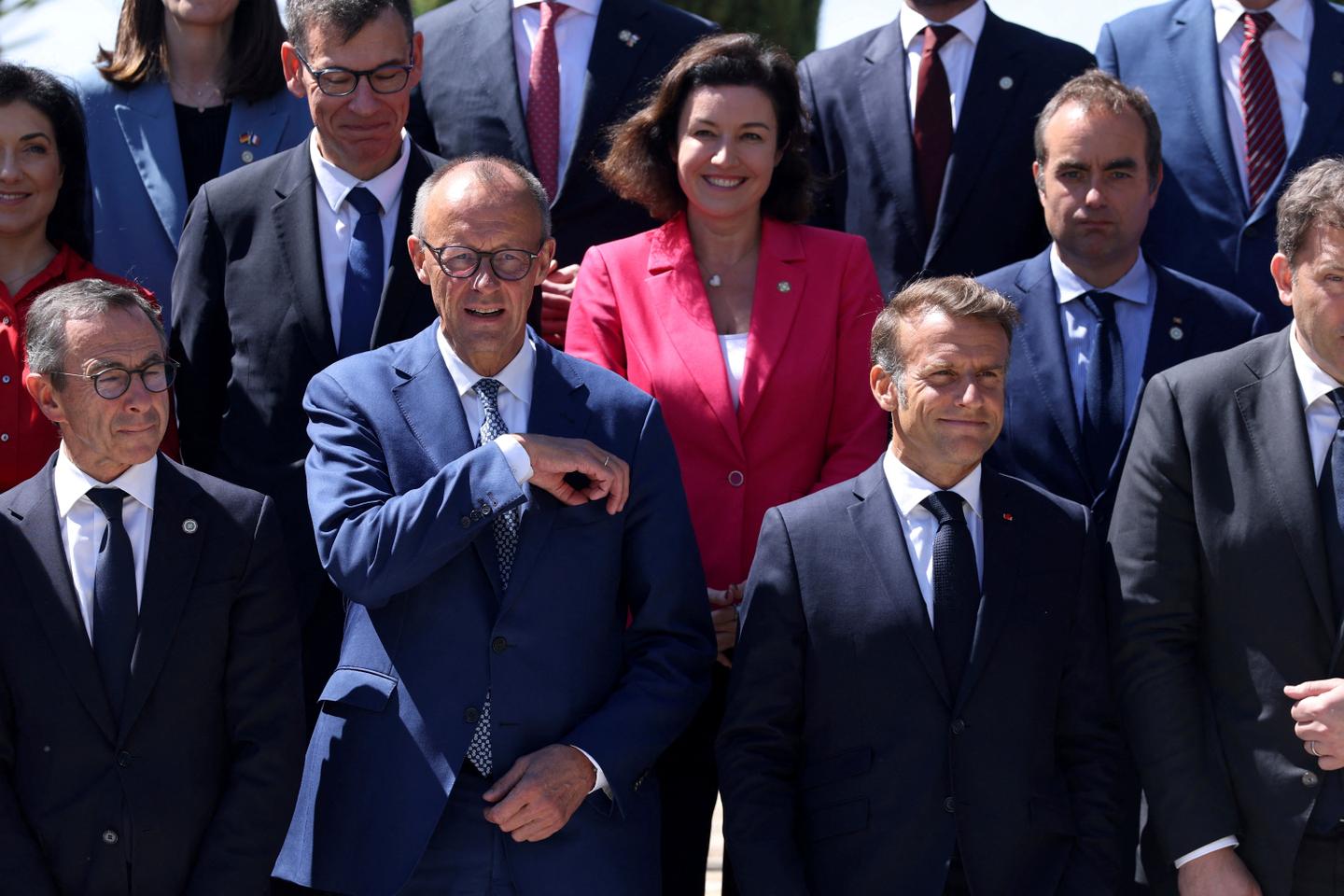
he 25th Franco-German Council of Ministers, which took place on Friday, August 29, in Toulon, southeastern France, made it clear. In Friedrich Merz, Emmanuel Macron has found a counterpart who shares his reformist ambitions and proactive stance on Europe. The warm relationship between the French president and the new German chancellor, who entered office just under four months ago, sharply contrasts with the tense cordiality that marked his three-and-a-half-year partnership with Olaf Scholz.
With the geopolitical upheavals shaking the world, and with US President Donald Trump's policies, especially in terms of trade, putting considerable strain on the cohesion of the European Union, such an understanding between the leaders of the continent's two largest countries is essential. But it is not enough.
The roadmap presented in Toulon made it clear the two leaders intend to overcome recent years' disagreements on the most sensitive topics, including energy, trade, space, digital technology and defense. They also reaffirmed their commitment to be at the forefront in ensuring the continent's security by maintaining active support for Ukraine.
Precarious foundations