Taxing the ultra-rich may be a vote winner, but it’s just as important to shift the conversation away from Reform’s immigration doom loop
T
he long, hot summer of discontent is finally over. Parliament returned this week if not exactly with a rush of back to school energy, then at least with the sense that the government is now back to fill what was becoming an increasingly dangerous August vacuum.
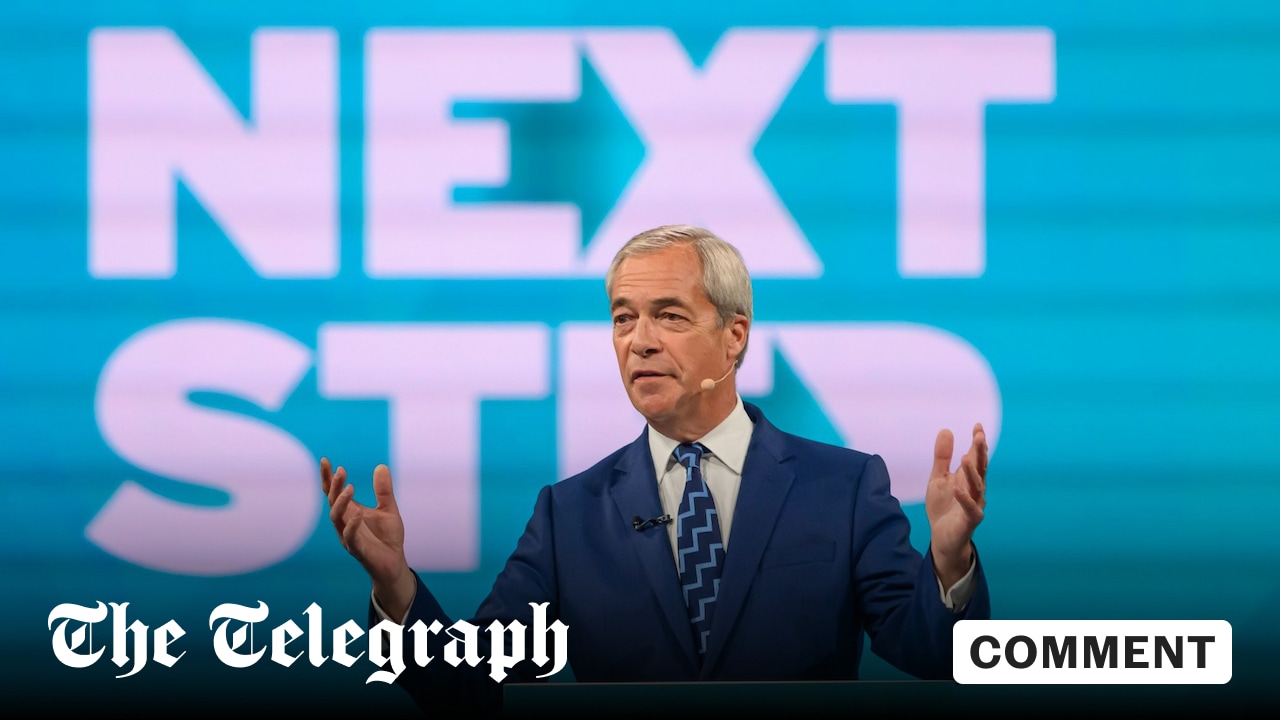
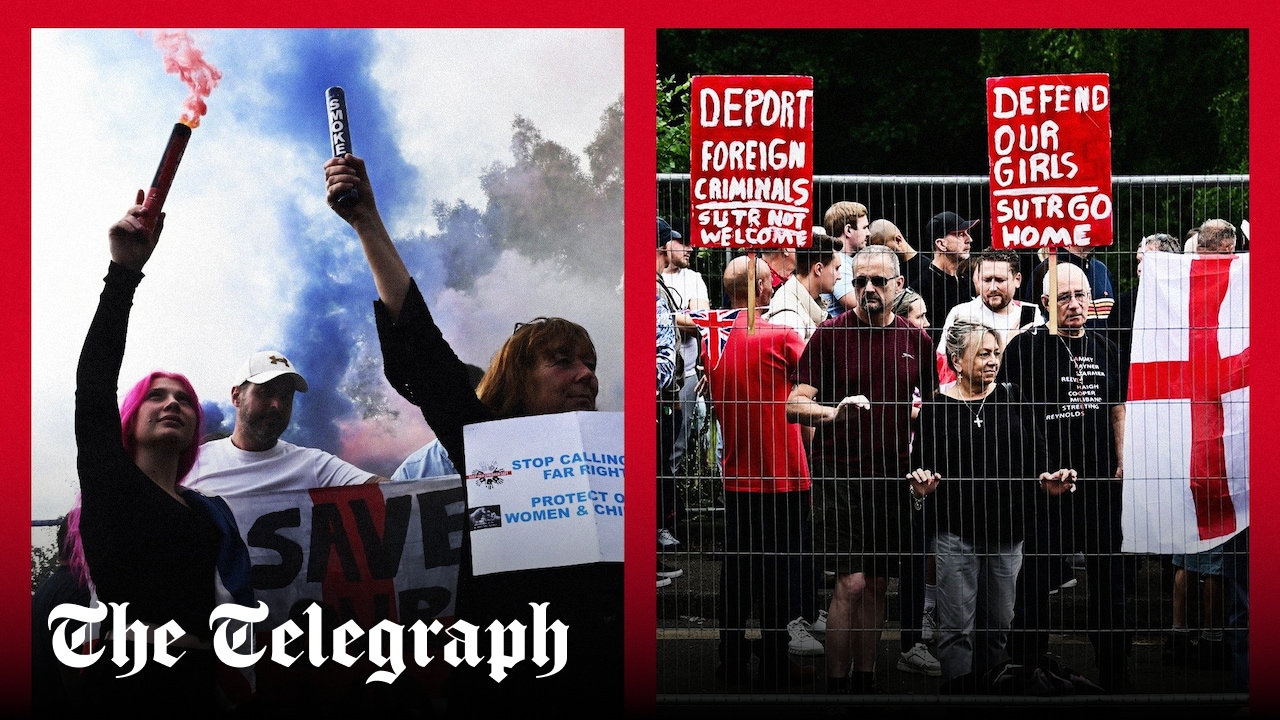
When exhausted ministers retreated to lick their wounds over the summer, Nigel Farage saw his chance and took it, filling the slow news days with encouragement of protesters over asylum seeker accommodation. He was rewarded by polling showing voters now see immigration – the terrain on which Reform UK is palpably desperate to fight an election, because it’s terrain on which Labour can never go far enough to please some supporters without horrifying half the rest – and not a broken economy as Britain’s biggest problem, an impression arguably only reinforced when the government’s first announcement on returning from recess was a crackdown on refugees bringing their families to Britain.
Yet its second move, more hearteningly, was a reshuffle of economic policymaking that suggests Reform isn’t necessarily guaranteed to have everything its way this autumn. Having hired the former deputy governor of the Bank of England Minouche Shafik to advise him, Starmer has also now poached Rachel Reeves’s restless deputy Darren Jones to work for him on delivery. Both moves come ahead of an autumn budget marking what may be Labour’s last real chance to get out of its defensive crouch and move on to the attack.