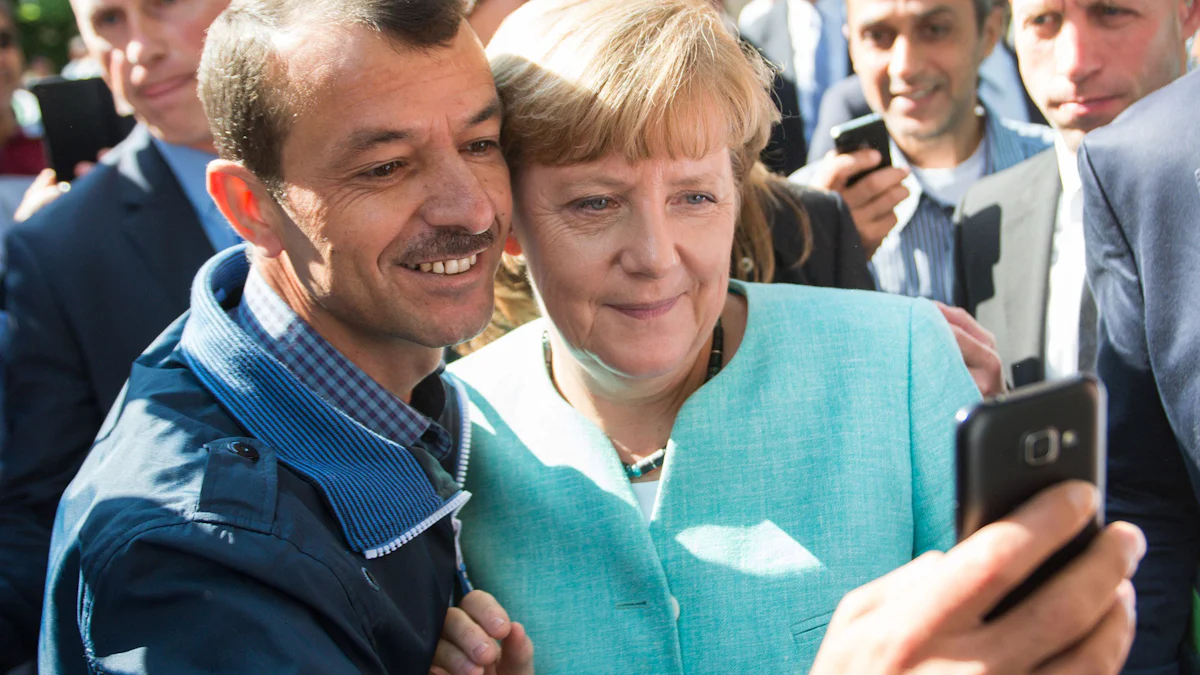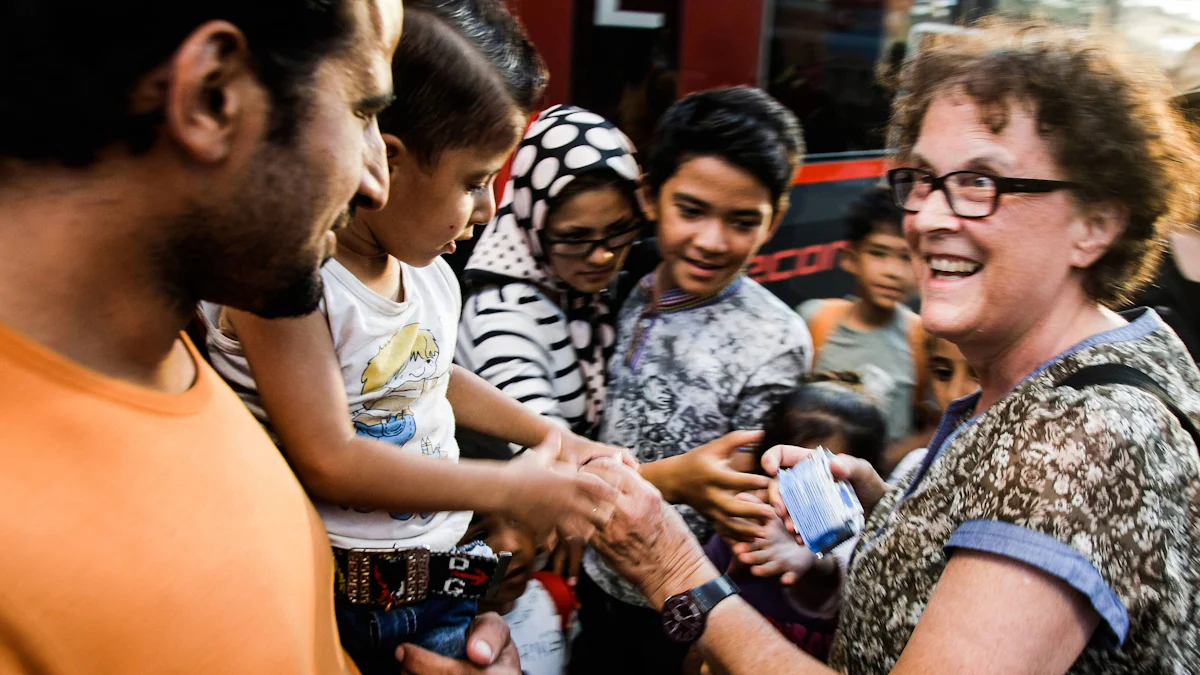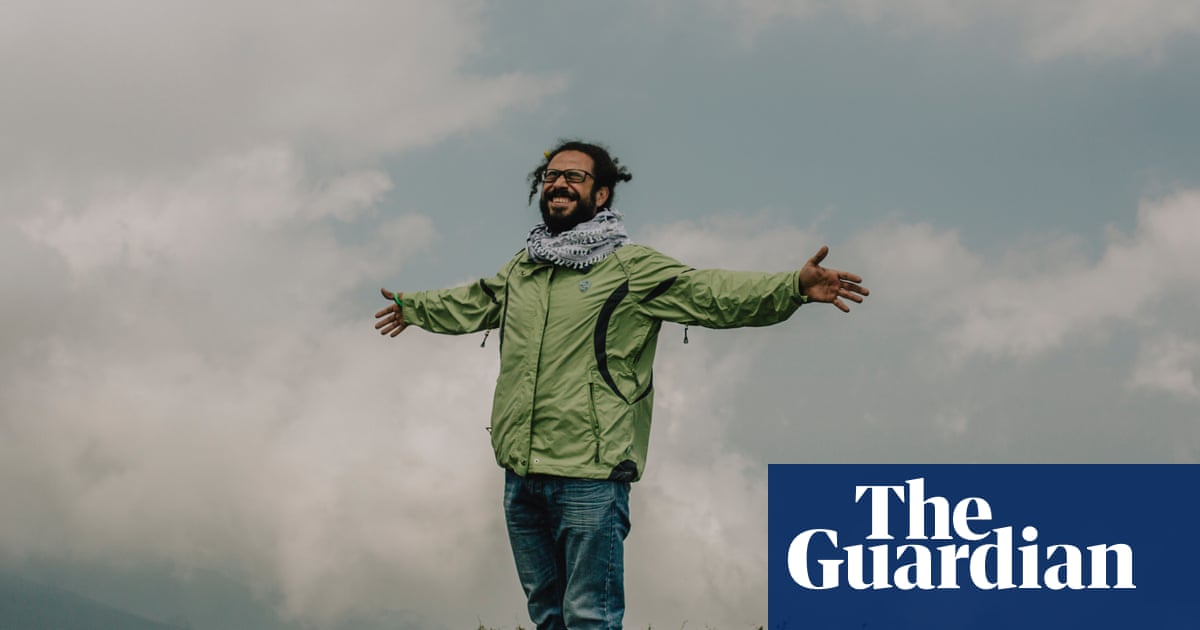
Ten years after Angela Merkel declared ‘We can do this’ at the height of the 2015 migration into Europe, Syrian refugee Somar Kreker looks back at his 44-day odyssey
The trip would be tough, Somar Kreker knew, but he was not overly fearful. It was the summer of 2015, and in a small flat in Amman, Jordan, this young Syrian’s only thought was how to turn a long and arduous journey into something more bearable. The engineering student had fled Syria three and a half years earlier after refusing to enlist in the brutal regime’s army. He was now ready to begin a new chapter of his life, starting with a new task: to reunite with his younger sisters, still trapped in Damascus, and lead them to Germany, where their brother was living.
“I was never worried or stressed about the trip,” says Somar, just 27 years old at the time. “I never had any thought about danger or failure. My only thoughts were how I could make the trip a happy adventure for me and my sisters.
“For some reason,” he adds, “I was sure that I would arrive safely in Germany.’’
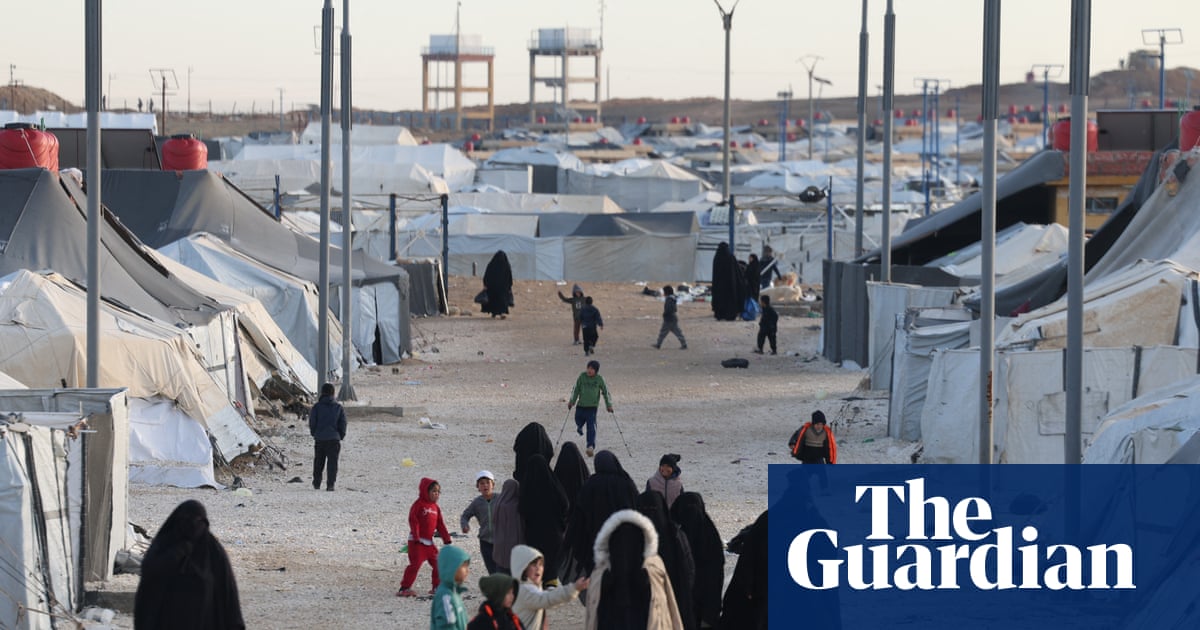
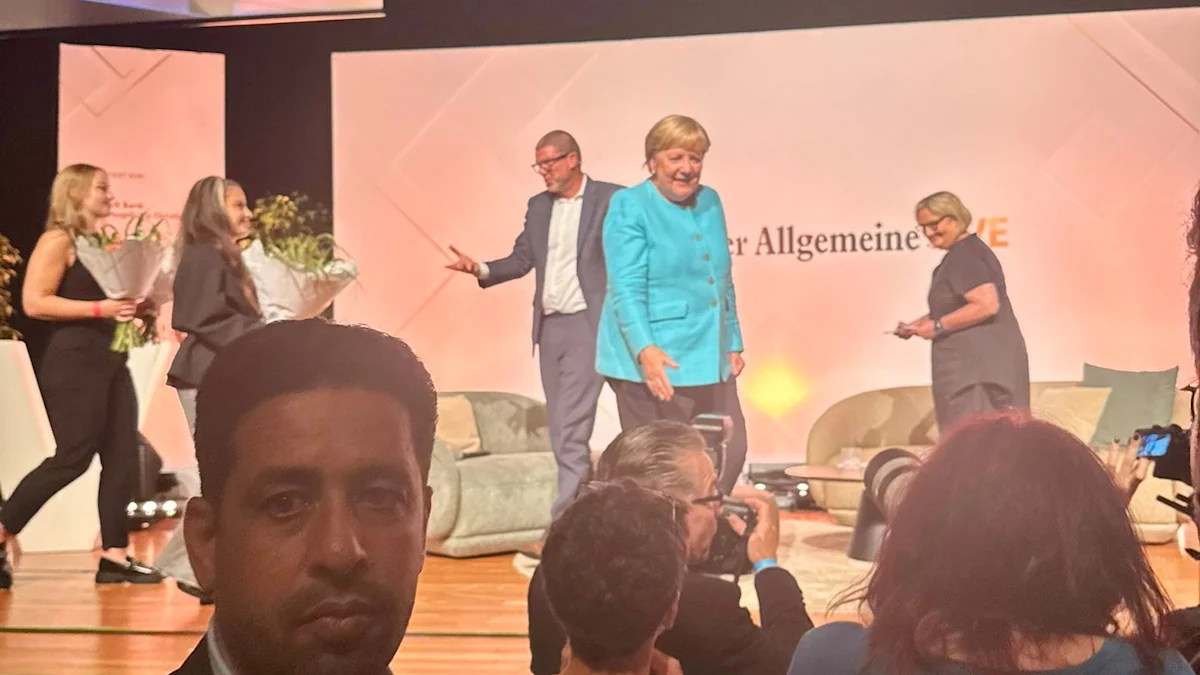
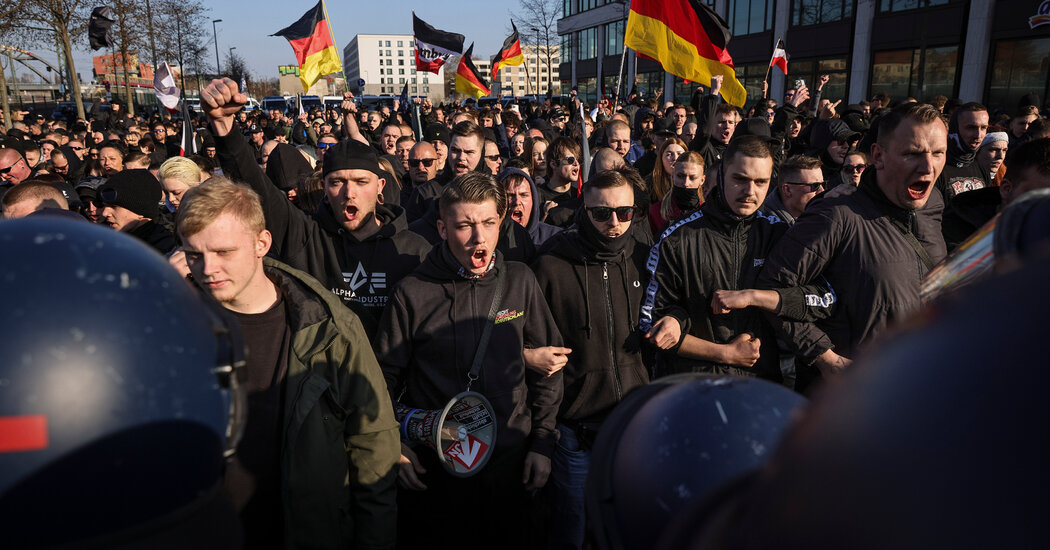
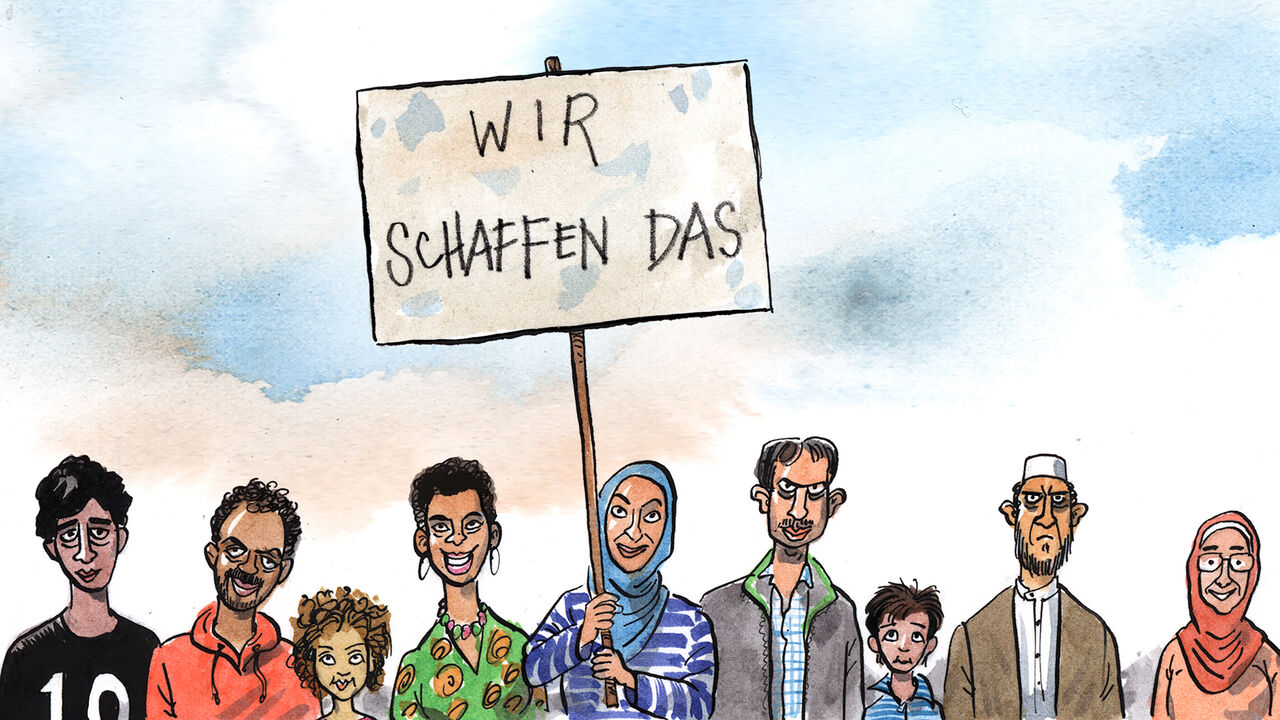
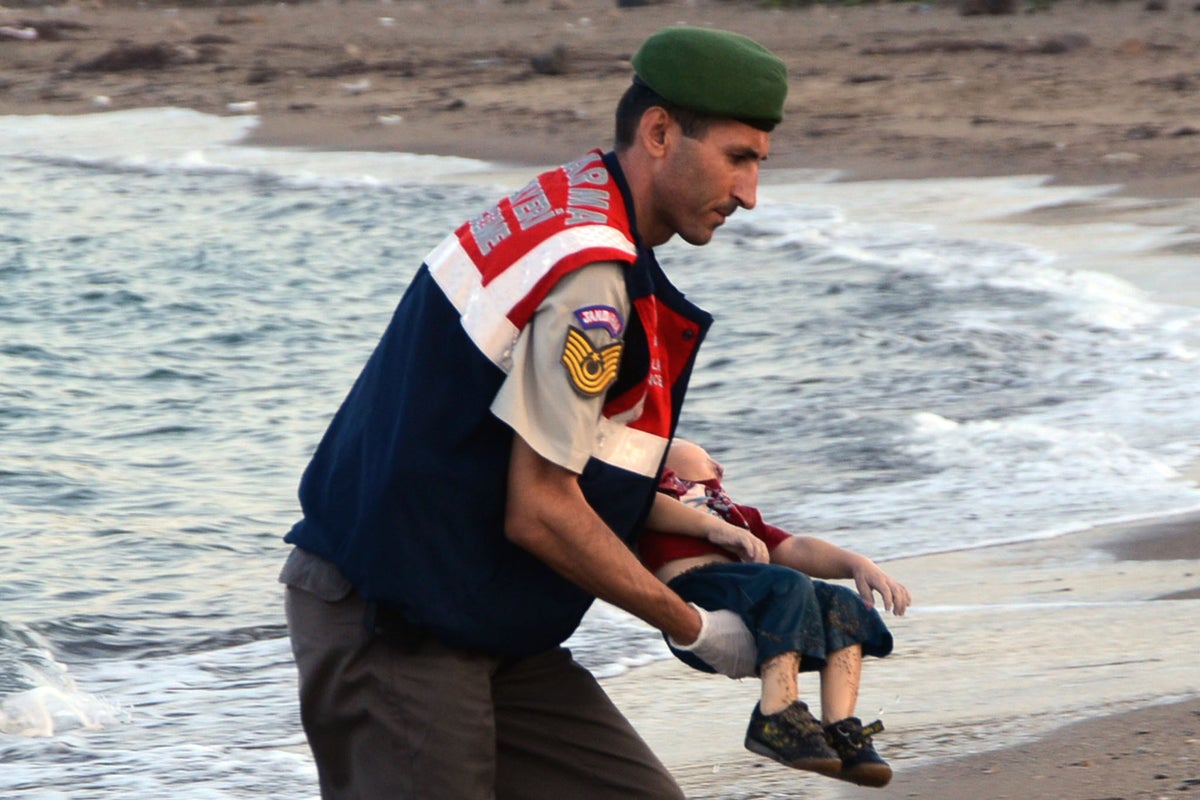
In 2015, nearly 1 million asylum seekers attempted to reach Europe – it was a year officials and aid workers would later describe as the peak of the migration crisis, that would put to the test the core values of the EU – itself born from the ashes of a war that displaced millions. At a press conference at refugee camp in Dresden on 31 August, the then German chancellor Angela Merkel said “Wir schaffen das” (“We can do this”) as the country opened its borders to those in need.