We and our vendors use cookies and similar methods (“Cookies”) to recognize visitors and remember their preferences. We also use Cookies for a variety of purposes, including analytics, to measure marketing effectiveness and to target and measure the effectiveness of ads. You can accept or reject the use of Cookies for individual purposes below. Some vendors process your data on the basis of their legitimate interest - you can object to such processing below. Your preferences will be saved in a cookie named “fides_consent” for a maximum duration of 12 months, as well as in your registered user account if you are logged in. If you previously accepted these methods through our prior banner, then we will use your data for targeting. Your preferences will apply on nytimes.com, as well as our News, Cooking, Games and Audio apps. Your preferences here are unrelated to Apple’s App Tracking Transparency Framework.
Supported by
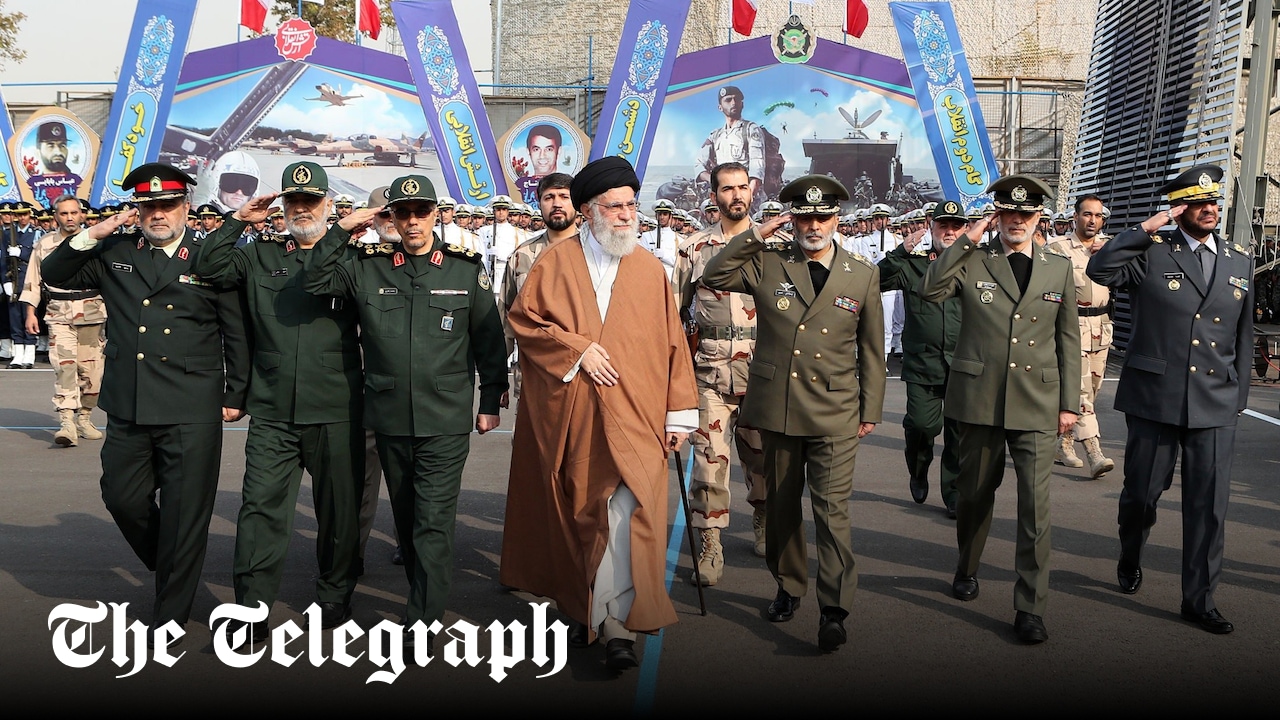
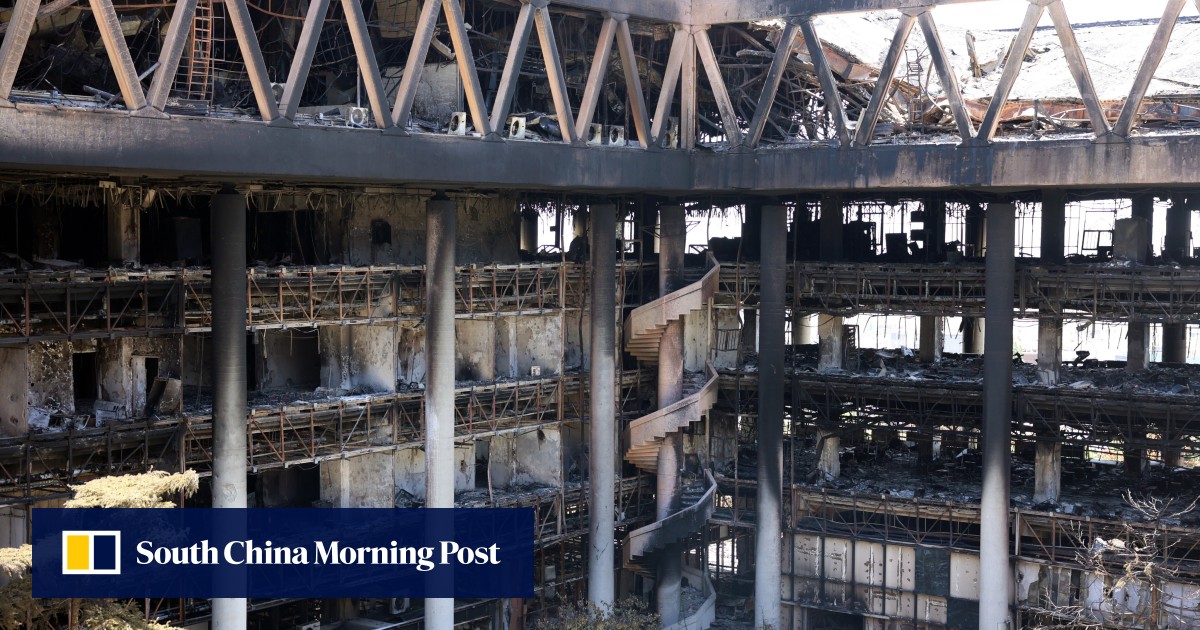
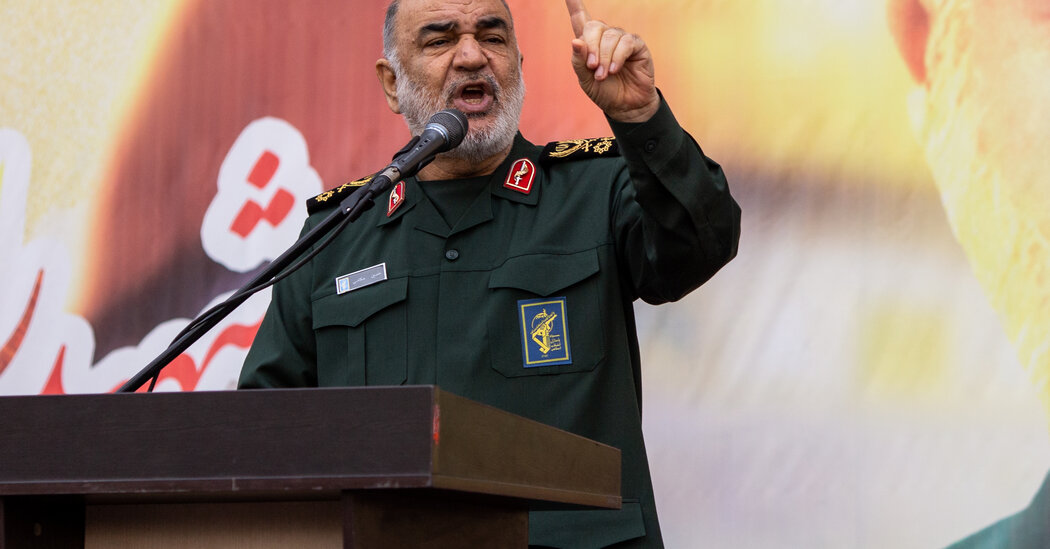
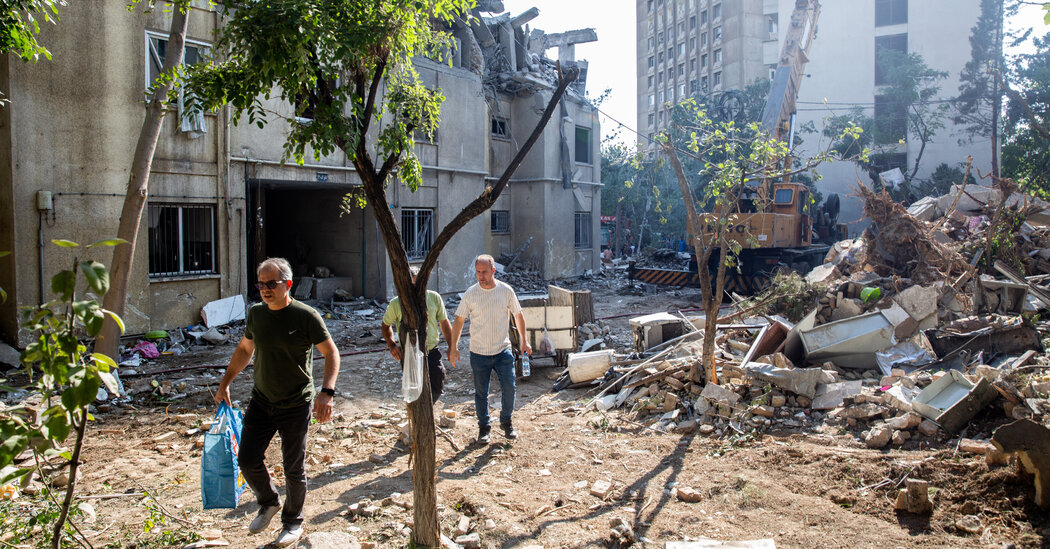
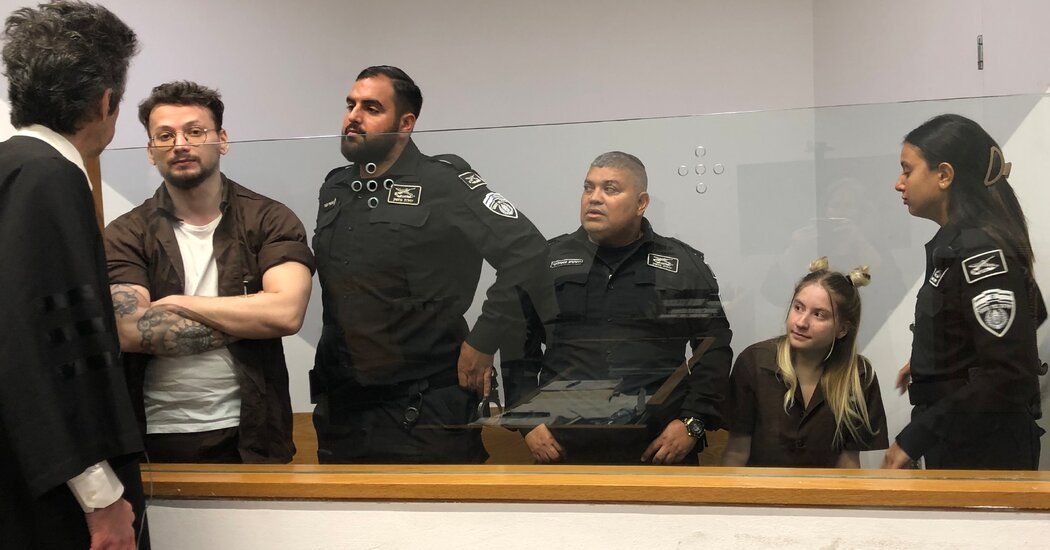
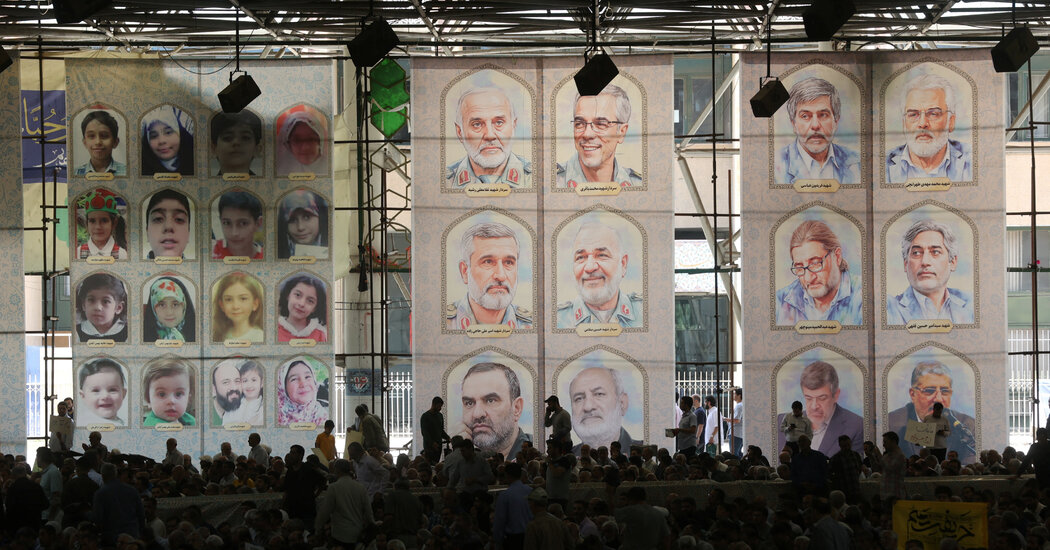
Israel was able to track the movements of key Iranian figures and assassinate them during the 12-day war this spring by following the cellphones carried by members of their security forces.
By Farnaz FassihiRonen Bergman and Mark Mazzetti
Farnaz Fassihi and Ronen Bergmen have led coverage on the shadow war between Iran and Israel and investigated assassinations and covert operations on sea, land, air and in cyberspace. Mark Mazzetti has covered security topics for more than two decades.