Toxic algae cases in Northern Ireland’s Lough Neagh have tripled since last year, as local fishers’ incomes plummet
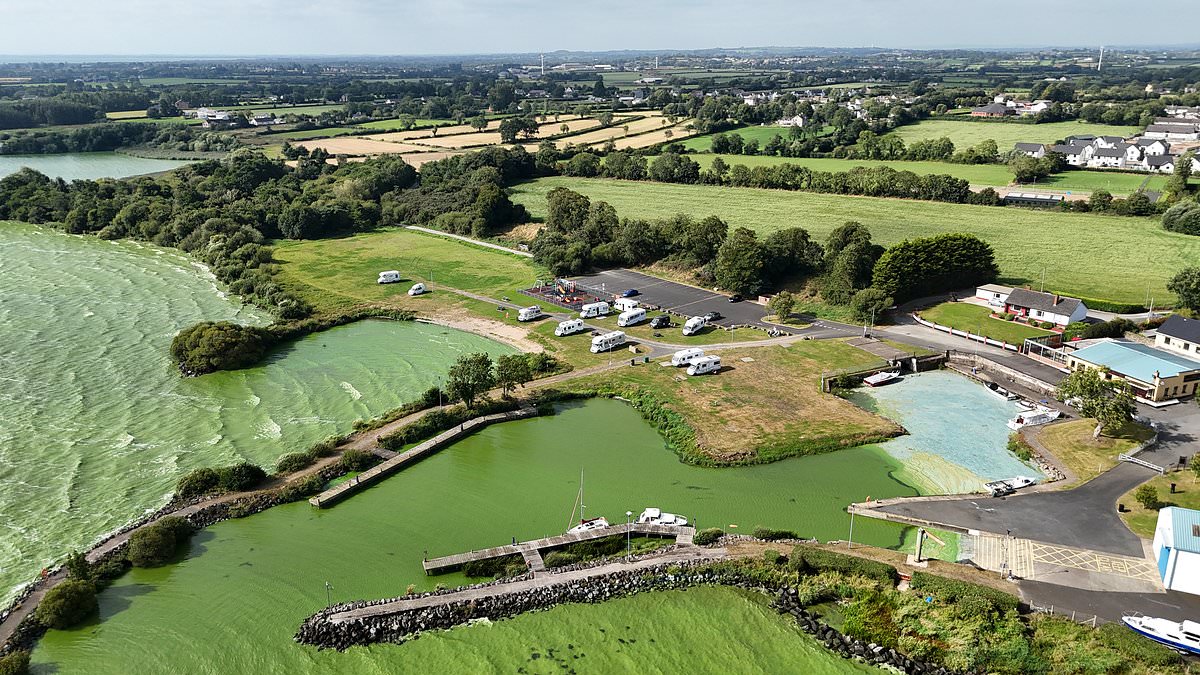
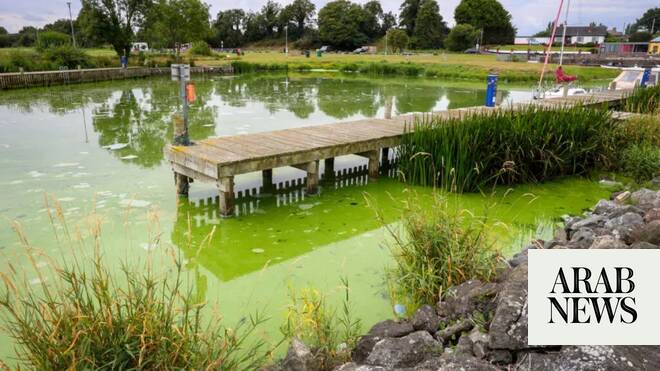
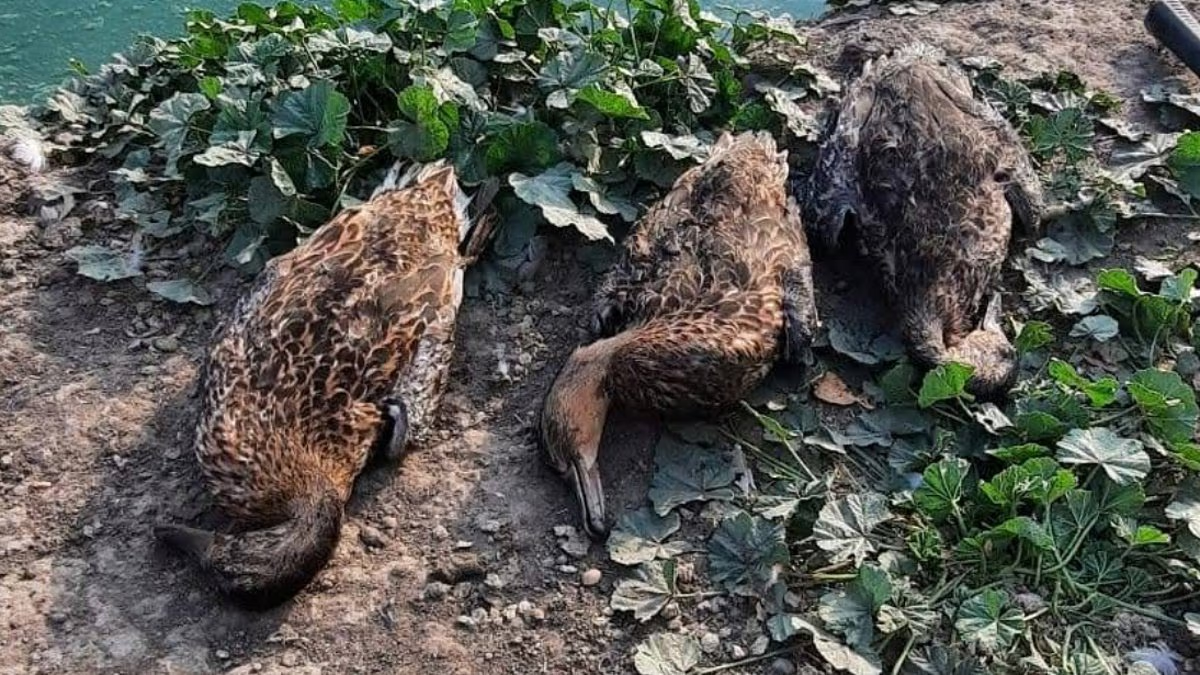
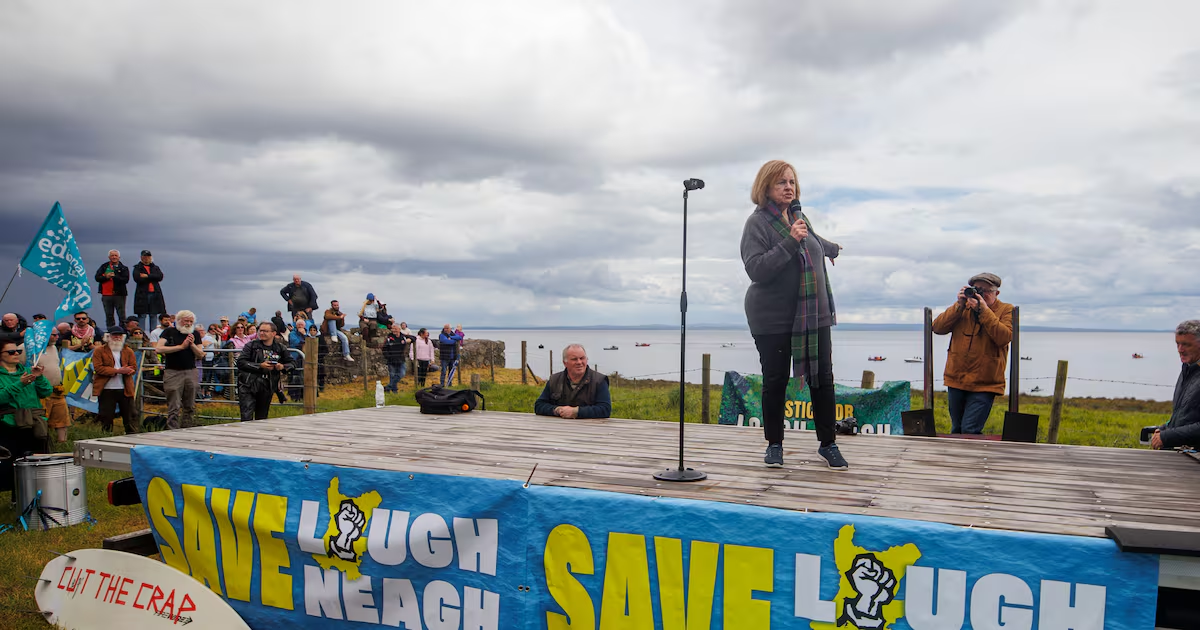
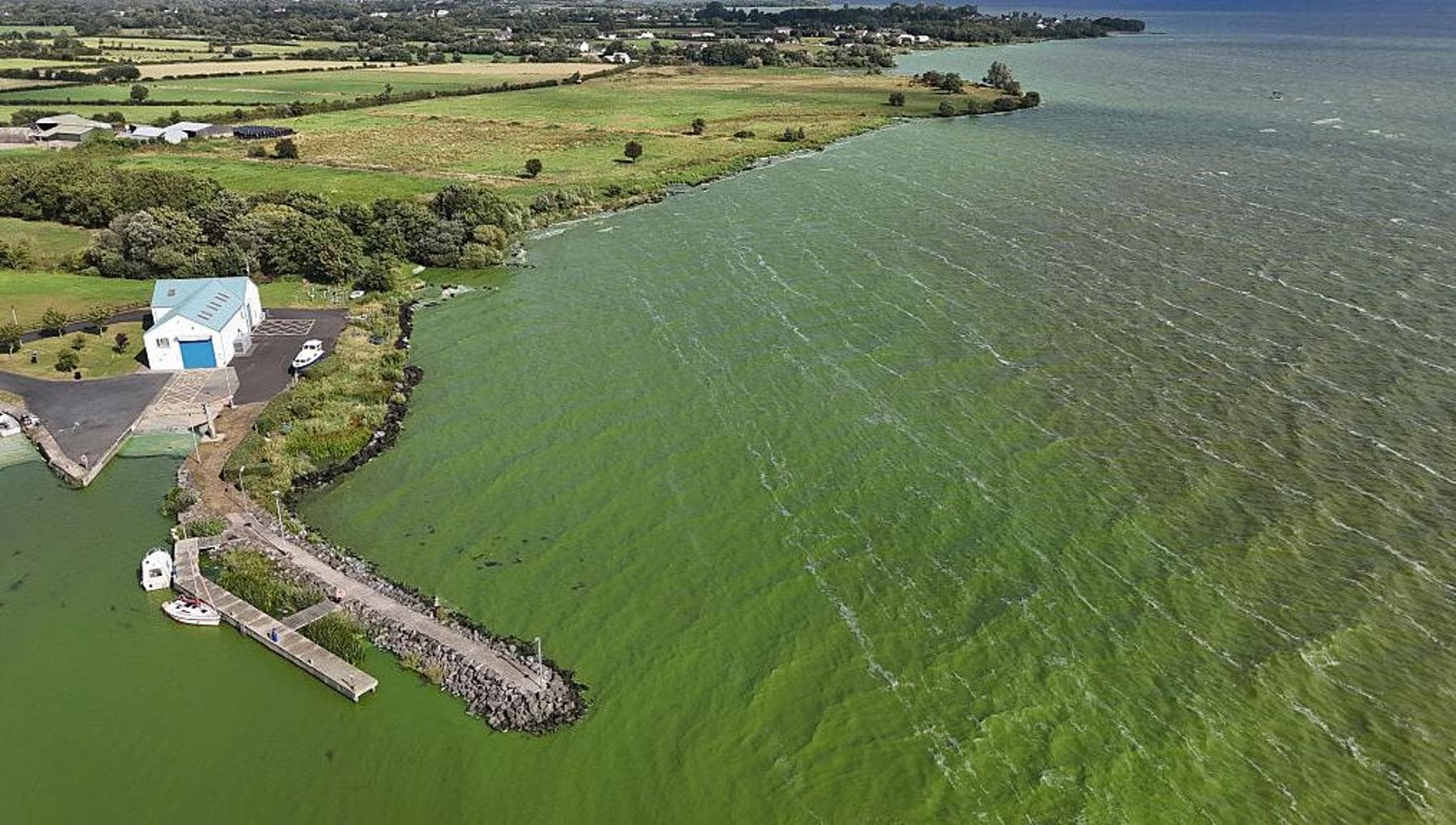
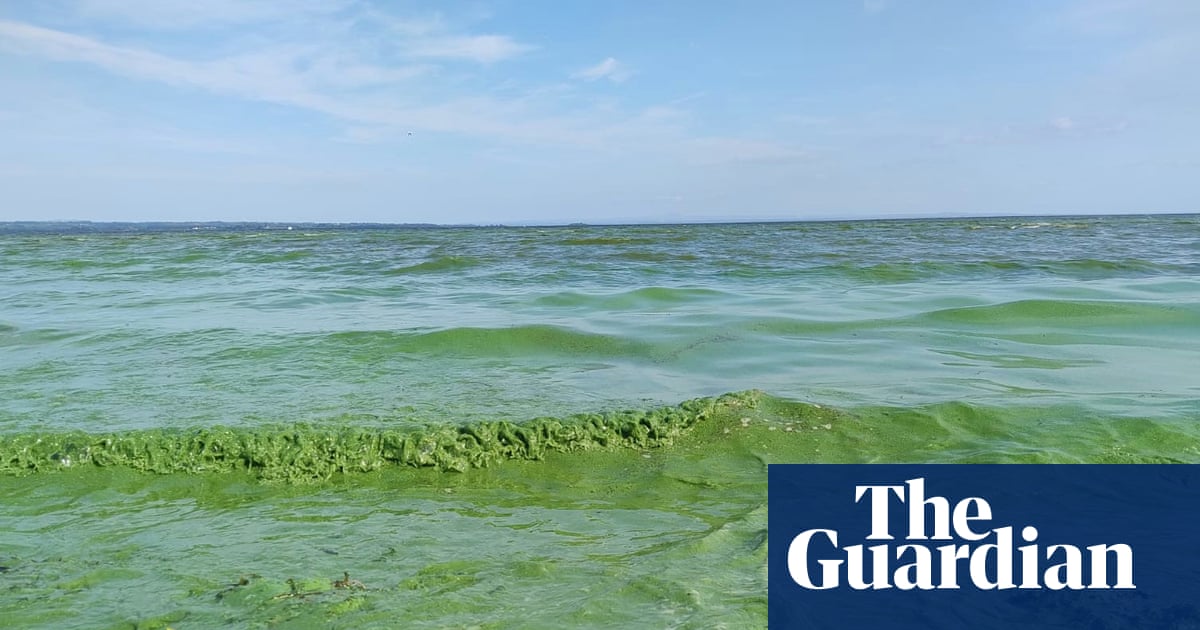
The UK’s largest lake, Lough Neagh, is on course to record its worst year of potentially toxic algal blooms to date, as rescue plans remain deadlocked.
As a ban on eel-fishing in the lake is extended yet again, with local fishers’ incomes falling by 60% since 2023, there have so far this year been 139 detections of cyanobacteria (blue-green algae) growths recorded at the lough and its surrounding watercourses, according to a government pollution tracker. This is more than treble the number for the same point in 2024 (45). The data covers the 400 sq km freshwater lough, its tributaries, and smaller peripheral bodies of water, including Portmore Lough and Lough Gullion.
At the central water body within this vast lough, rivers and wetlands system that drains nearly half of all land in Northern Ireland, along with parts of two counties in the Irish republic, the number of detections was slightly lower than 2024’s tally. As of 25 August, there had been 35 confirmed reports, compared with 42 during the same period in 2024, according to the devolved Department of Agriculture, the Environment and Rural Affairs (DAERA).