T
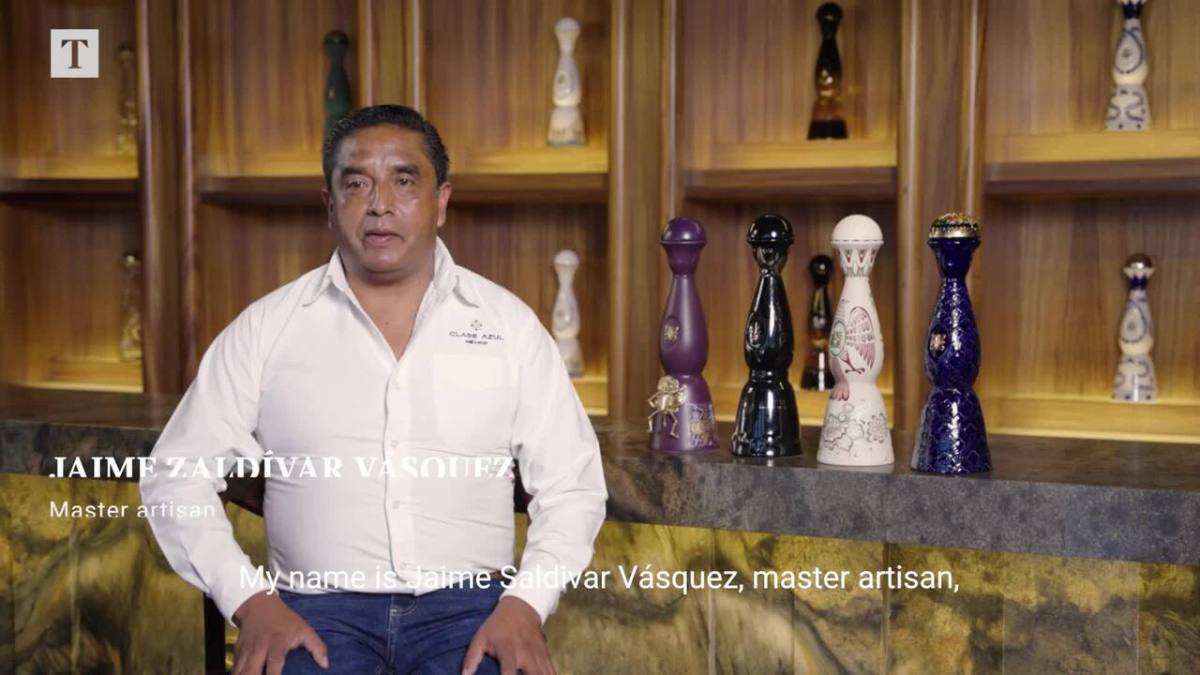
here are few products that are as famous for their packaging as they are for their contents, but Clase Azul is one. The premium Reposado Tequila is contained within an elegant ceramic decanter, hand-painted by artisans in Santa Maria Canchesda, a small town in Mexico, so that no two bottles are the same.
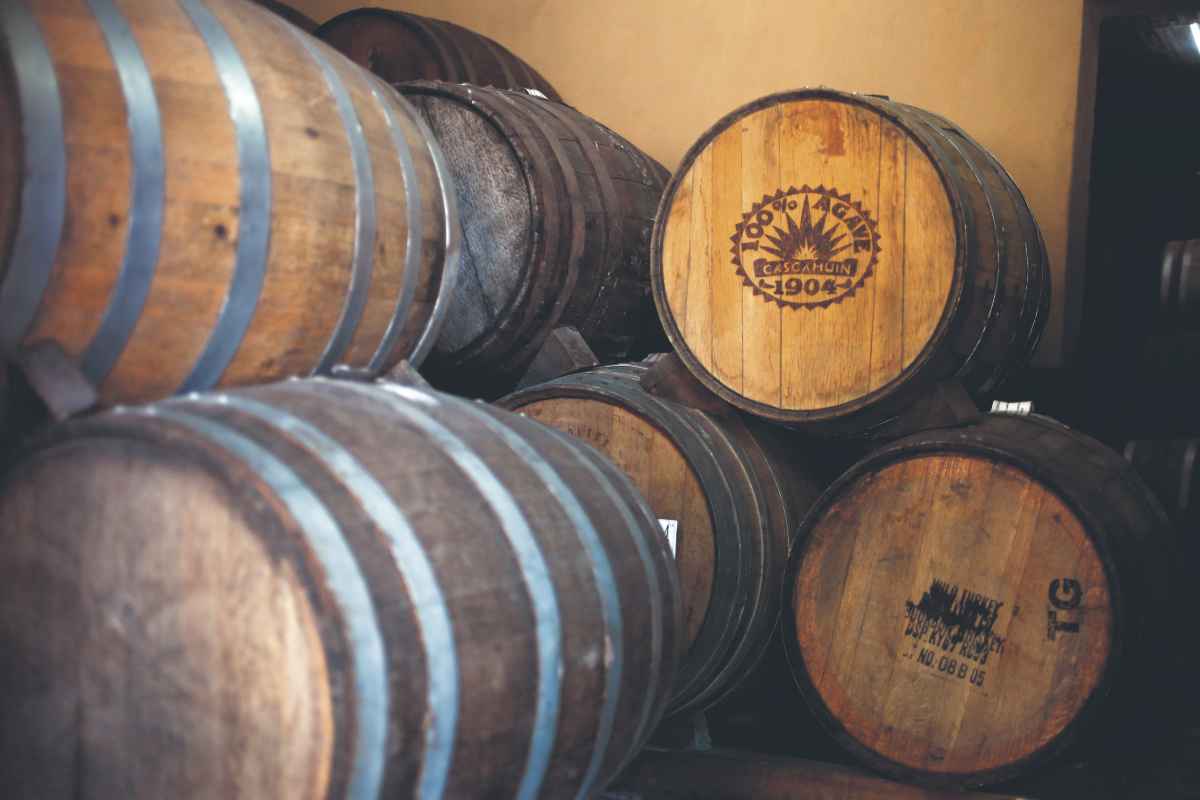
It all began in 1997, when a 24-year-old bar owner from Guadalajara, Arturo Lomeli, noticed a gap in the market for premium tequila. He spent the following year studying tequila-making and ceramic arts, and it was the merging of these two crafts that resulted in Clase Azul. The tequila itself is made from blue weber agave plants that are grown in the Jalisco Highlands for six to eight years. They are then harvested, cooked in masonry ovens for 72 hours, fermented with yeast, distilled in copper stills, filtered and aged in oak casks for between 8 and 25 months. Only then is the liquid ready to be transferred into its fancy decanter.
The bottles themselves take two weeks to create, which is why Clase Azul etiquette requires you to reuse them after you have sunk the smooth tequila — as a vase, candle, perhaps even a water jug. It’s no surprise that they have become a collector’s item. For Clase Azul’s 15th anniversary in 2017 the brand created 15 luxury bottles, decorated with amber and gold and filled with a blended tequila that went through an extended 15-year ageing process, that were priced at $30,000 each.