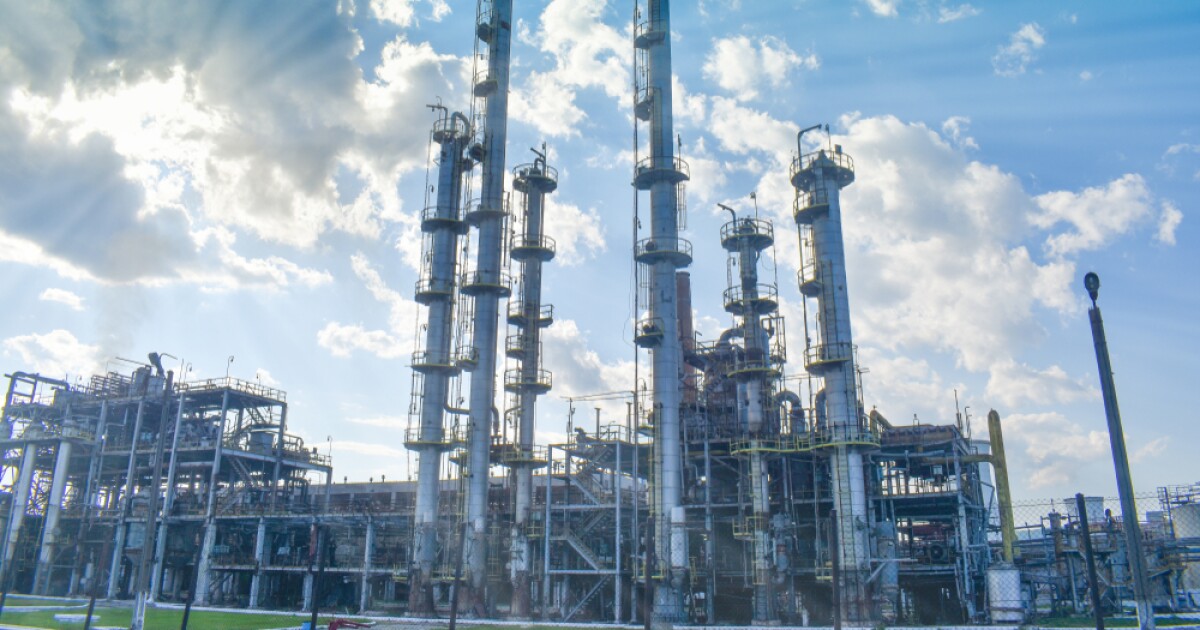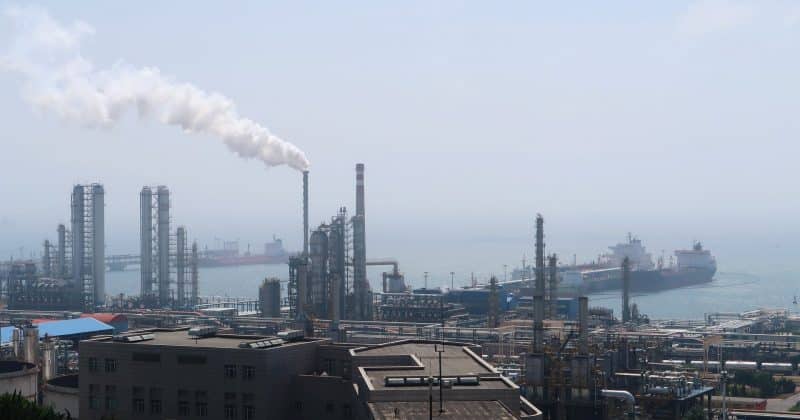
The international oil industry is resting its expectations for future expansion heavily on a business line that, until the last few years, was considered a sideshow: petrochemicals. But petchem and bulk plastics producers are already grappling with seemingly intractable oversupply issues and growing environmental challenges. Even more heavily reliant on China than most other oil products, naphtha and other petchem feedstocks have seen demand growth thrown into even deeper doubt by the likely slowdown in international trade over the coming years as the anti-globalization policies of US President Donald Trump reverberate through increasingly splintered national economies. It’s possible that a few Western or Mideastern state companies will come up with a winning petchem strategy, but it’s very hard to see a plastic leg providing dependable support for the industry overall.
In mid-August, what’s come to be known as the “like-minded group” of big crude oil exporting countries Saudi Arabia, Russia and Iran — with tacit support from China and, on the sidelines, the US — blocked for a second time progress toward a UN plastics pollution treaty that would impose a mandatory ceiling or other limits on plastics production. A big majority of the 180 or so countries involved in the UN negotiations, including the EU and South Korea, support a mandatory cap. The “like-minded” oil exporters have backed reliance on technological solutions aimed at waste management and/or recycling that would not interfere directly with volume growth in petchem output and plastics use.