O
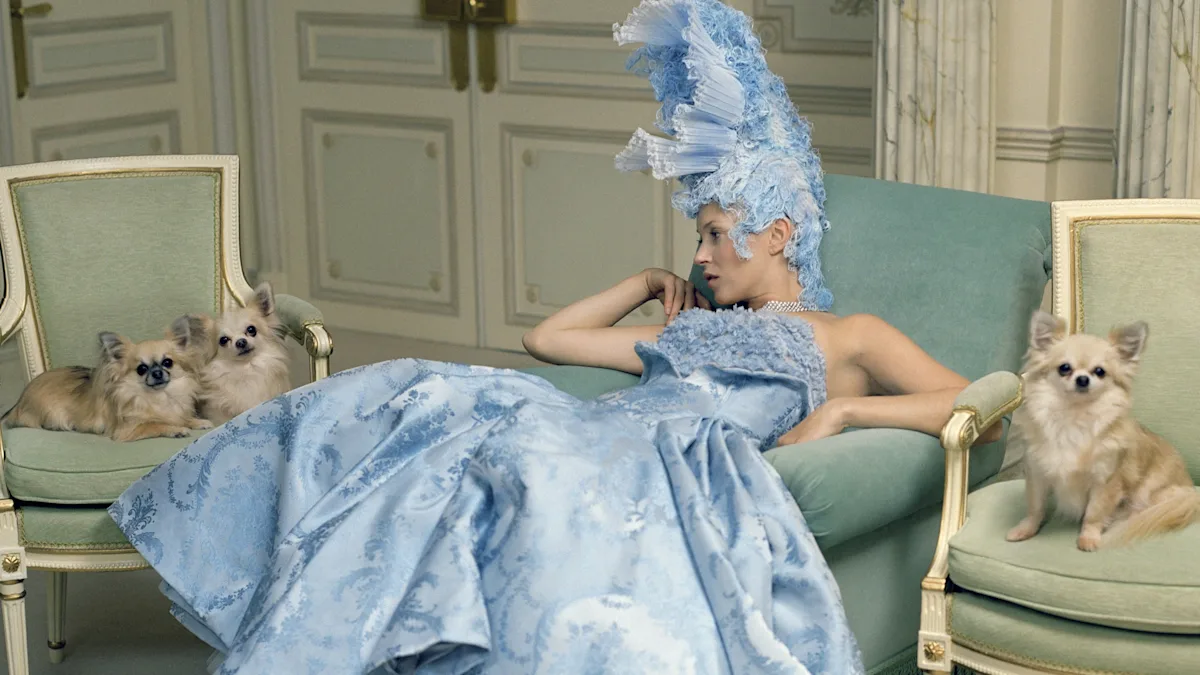
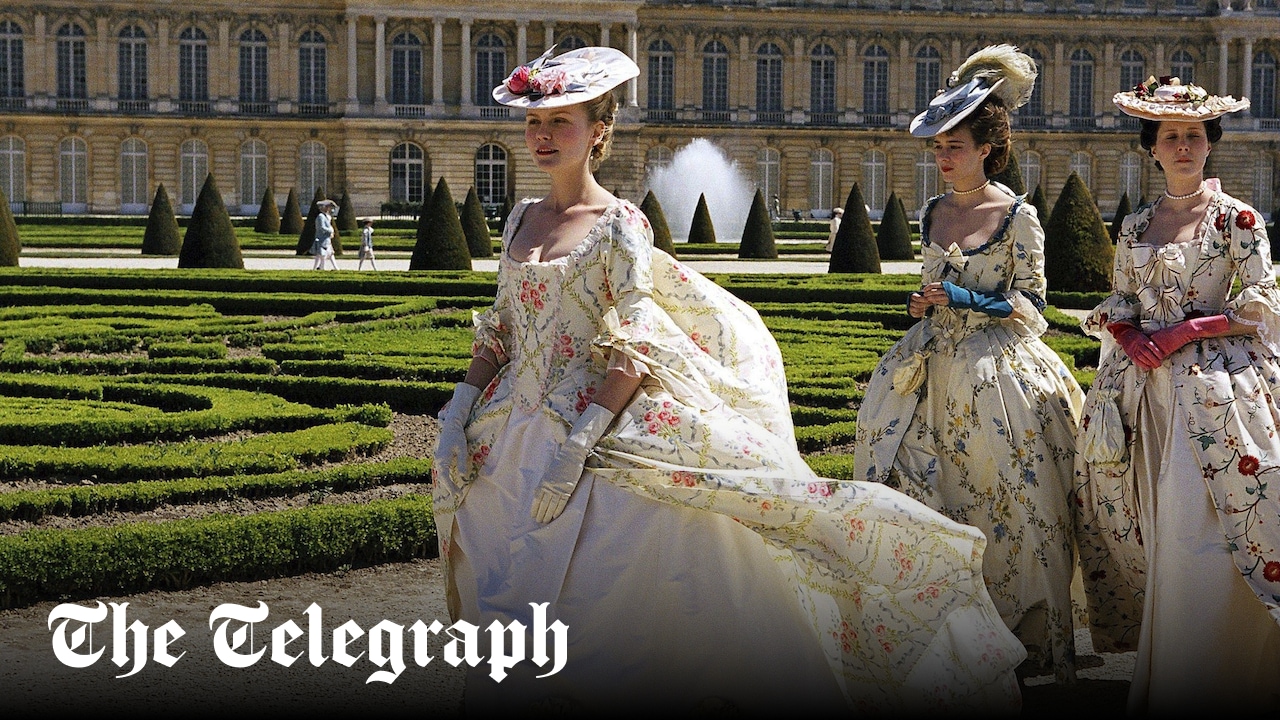
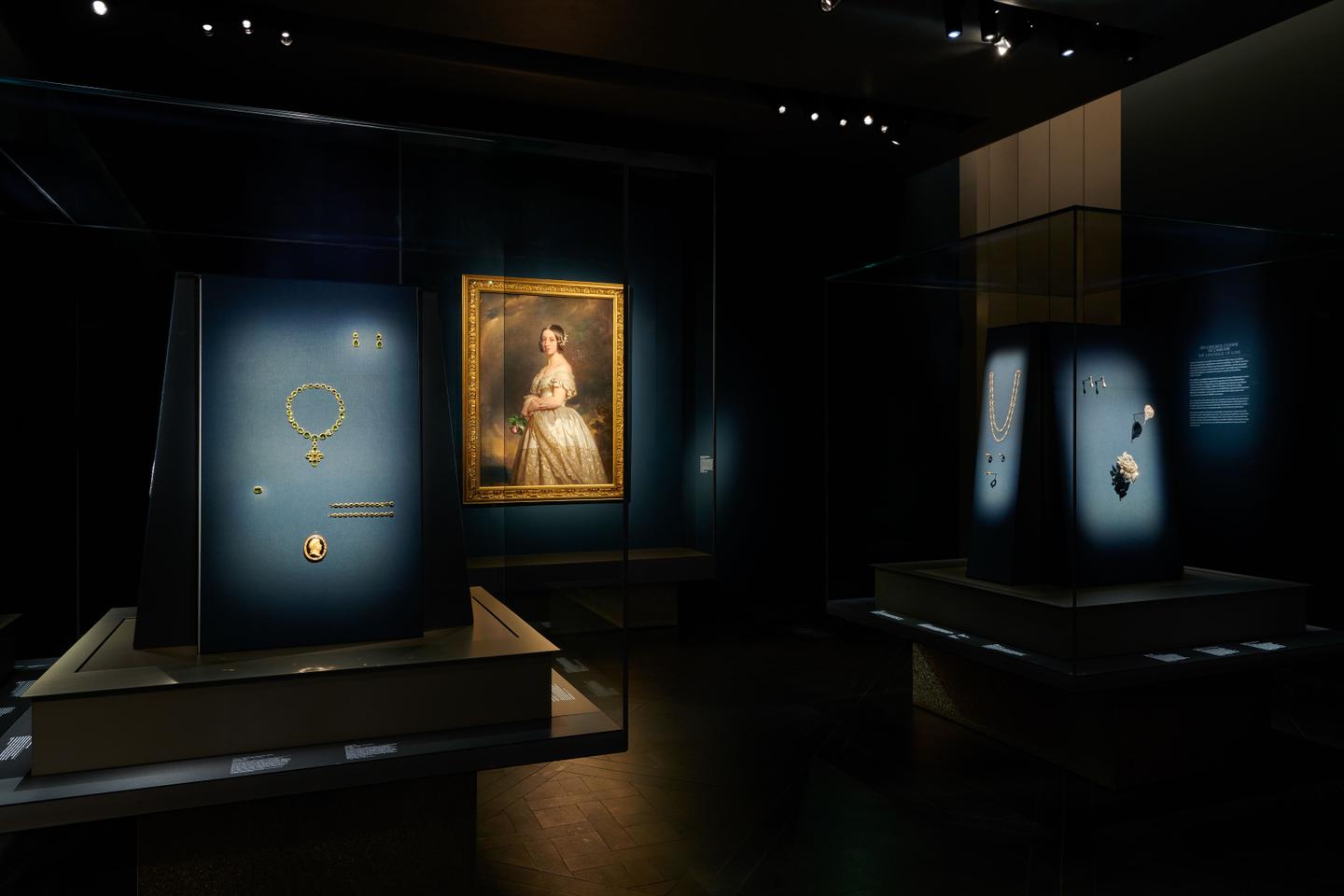
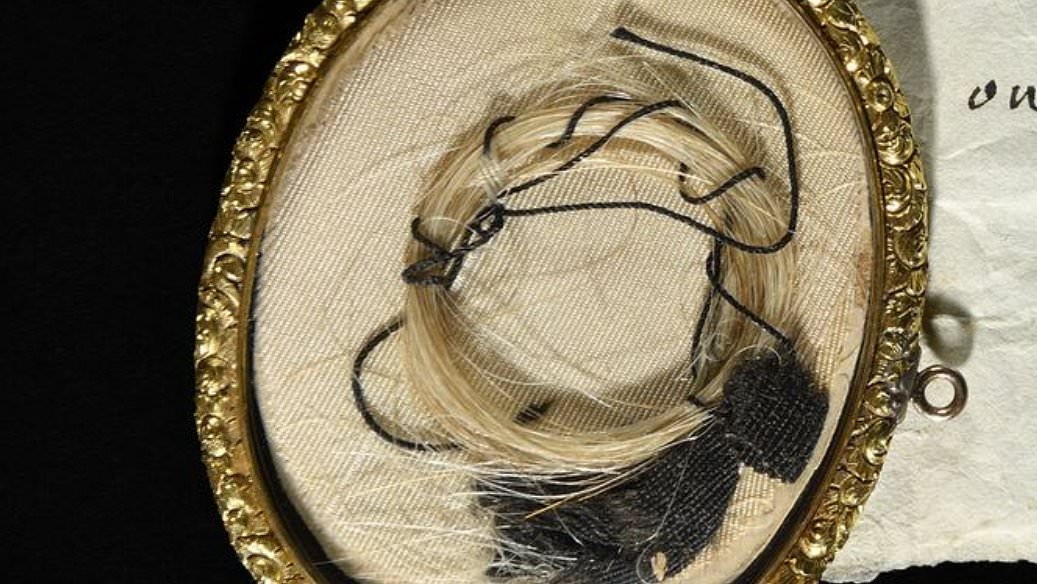
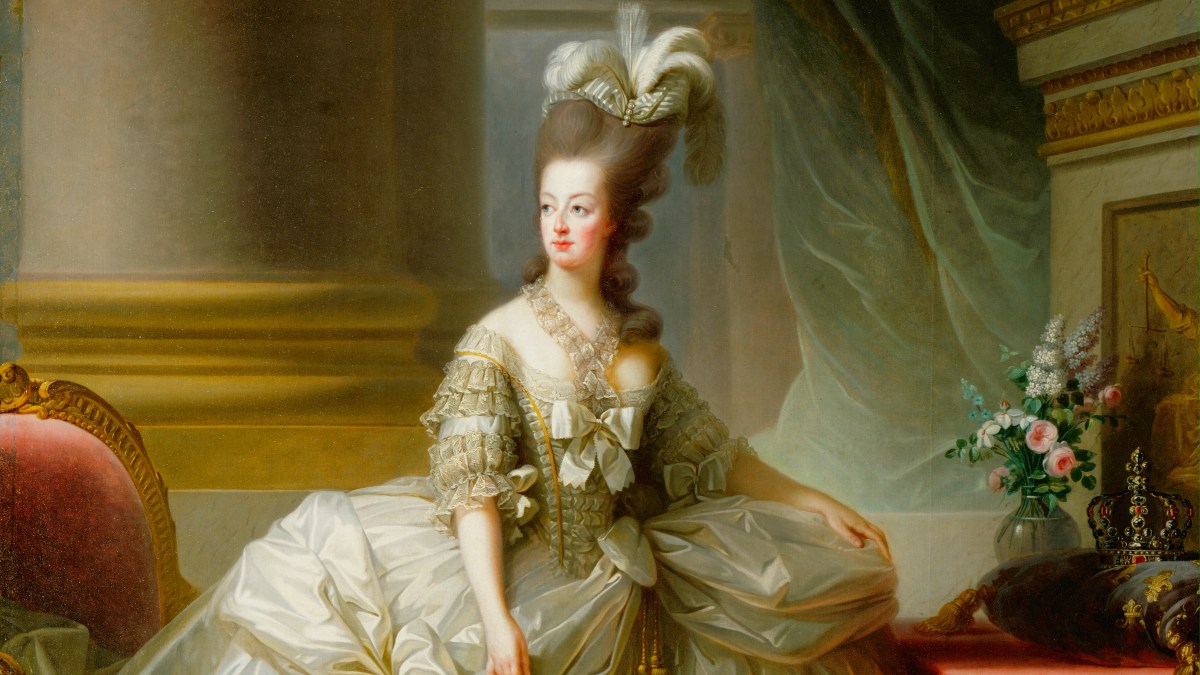
n September 20, 2025, the Victoria & Albert Museum opens the first major UK show on the doomed French queen and style icon Marie Antoinette. Alongside film stills from Sofia Coppola’s film Marie Antoinette and dresses by Moschino, which demonstrate our continuing fascination, the exhibition assembles relics from her short life — she died under the guillotine aged just 37. A group of jewels, brought together for the first time, form some of the most remarkable objects. Surviving the French Revolution by a miracle, they have reappeared to sensational effect in recent auctions and enable us to reconstruct her life via her gems. Marie Antoinette was shaped by the need to project the image of a glamorous, jewel-laden queen but accusations of extravagance and even jewel theft led to her downfall.
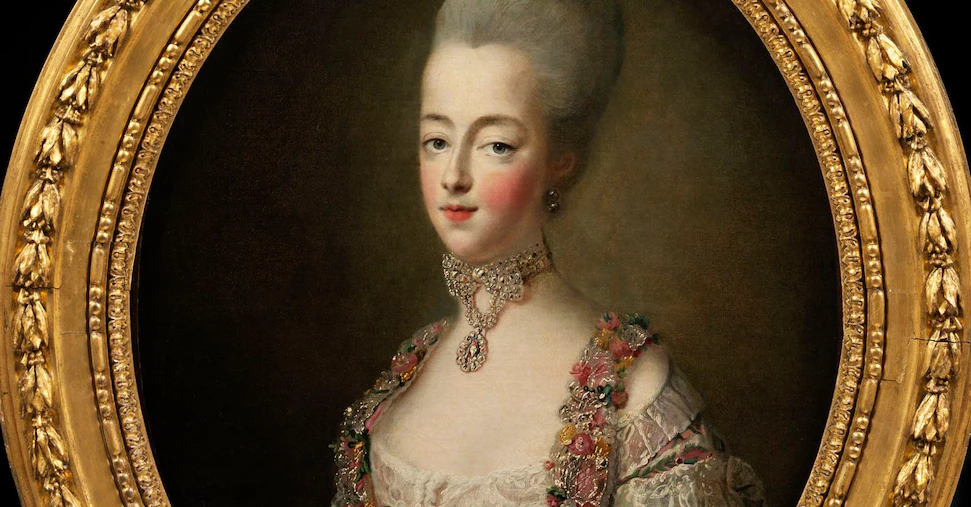
When the 14-year-old Marie Antoinette travelled from Vienna to Versailles to marry the Dauphin Louis Auguste in May 1770, one of the first gifts she received was a magnificent jewel cabinet. Costing about 22,000 livres (approximately £860,000 today), it held her personal jewels as well as gems to distribute to the royal family and courtiers in her new home. Her corbeille de mariage, or dowry gifts, were valued at a further two million livres (about £78 million today). Gifts from her new grandfather-in-law, Louis XV, included a fan encrusted with diamonds, bracelets with her cipher on the blue enamel clasps and a monumental stomacher jewel made up of rows of diamond bows and ribbons. The bracelet clasps fixed rows of large pearls, worn on each wrist, like a pair in the collection of the Victoria & Albert Museum. She also received a necklace of huge pearls, formerly belonging to Louis XIV’s mother, Anne of Austria, along with a fabulous quantity of jewellery from her Habsburg family — one of the few assets that belonged to her personally.