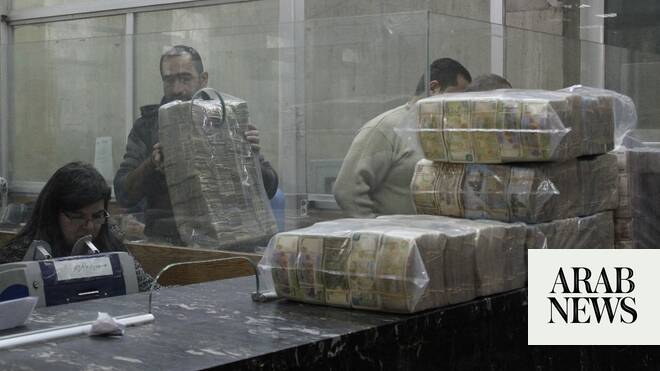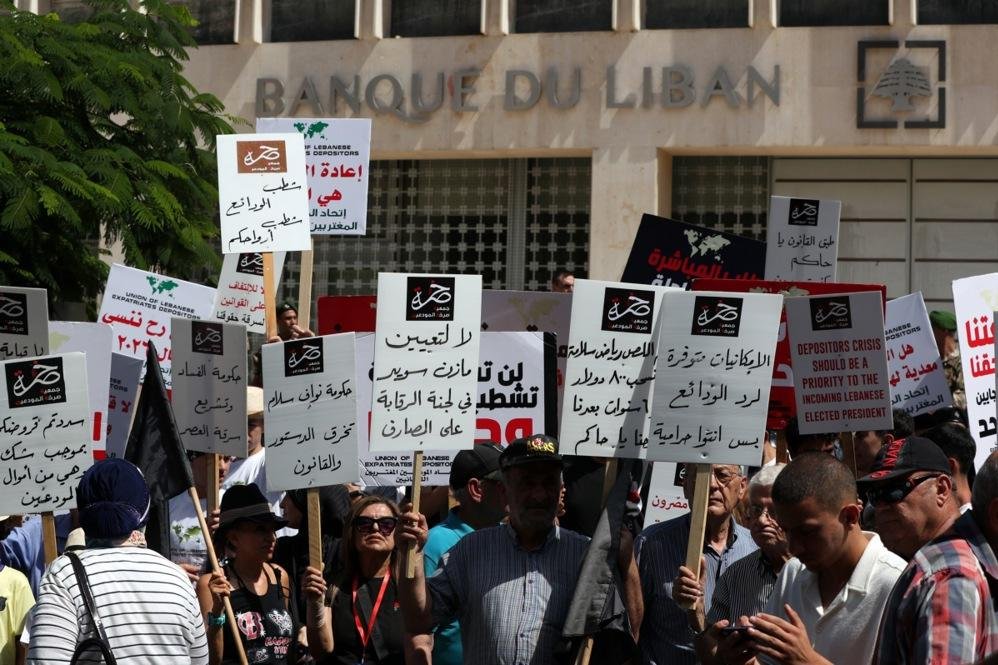
BEIRUT, Lebanon, Aug. 28 (UPI) -- Almost six years into Lebanon's worst financial crisis, bank depositors continue to endure severe financial hardship and the trauma of having lost their life savings overnight -- a shock that upended their lives and left many suffering from psychological distress.
Their trauma, deepened by persistent inaction from an inept and corrupt ruling elite and a complete absence of accountability, remains so profound that, despite fresh promises and some progress by the new reformist government, uncertainty and doubt still prevail.
President Joseph Aoun and Prime Minister Nawaf Salam, who took office last January, have pledged to implement long-overdue reforms -- largely ignored by their predecessors -- and to secure the recovery of all bank deposits.
A major step came in April, when Parliament passed a law lifting banking secrecy; giving the central bank and auditors access to 10 years of records. If enforced, it could help uncover fraud, trace capital flight and expose those who profited from the crisis.
Another key development was the banking sector restructuring law passed July 31. However, resolving the crisis also depends on the Financial Stability Law, which aims to address losses and assign responsibility, including to the central bank and commercial banks.