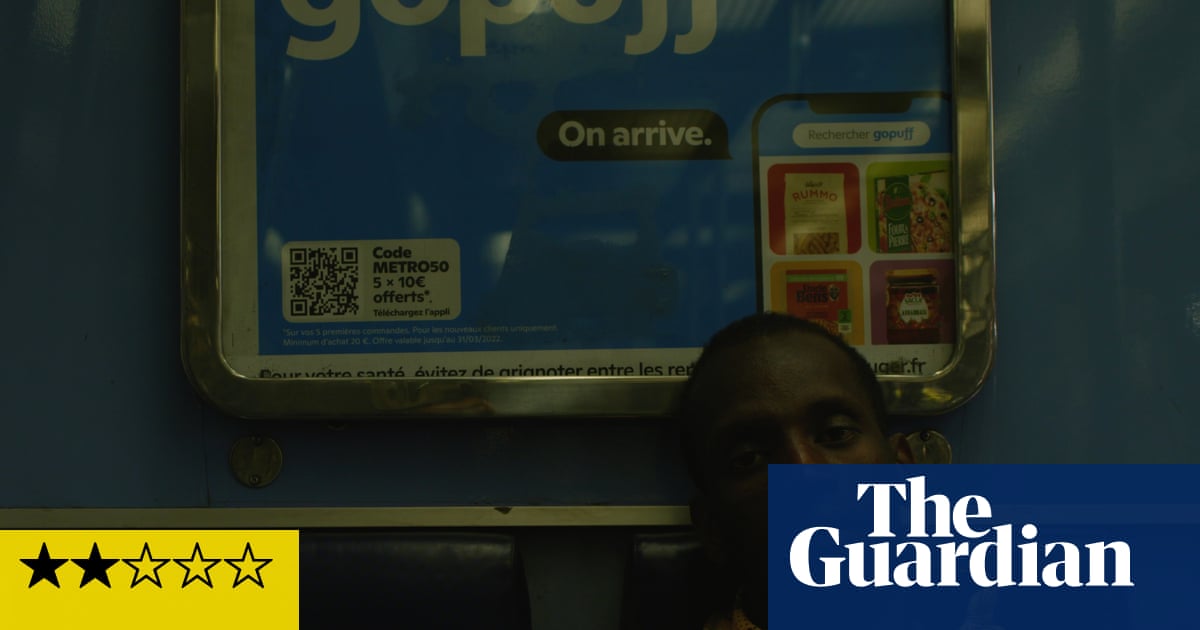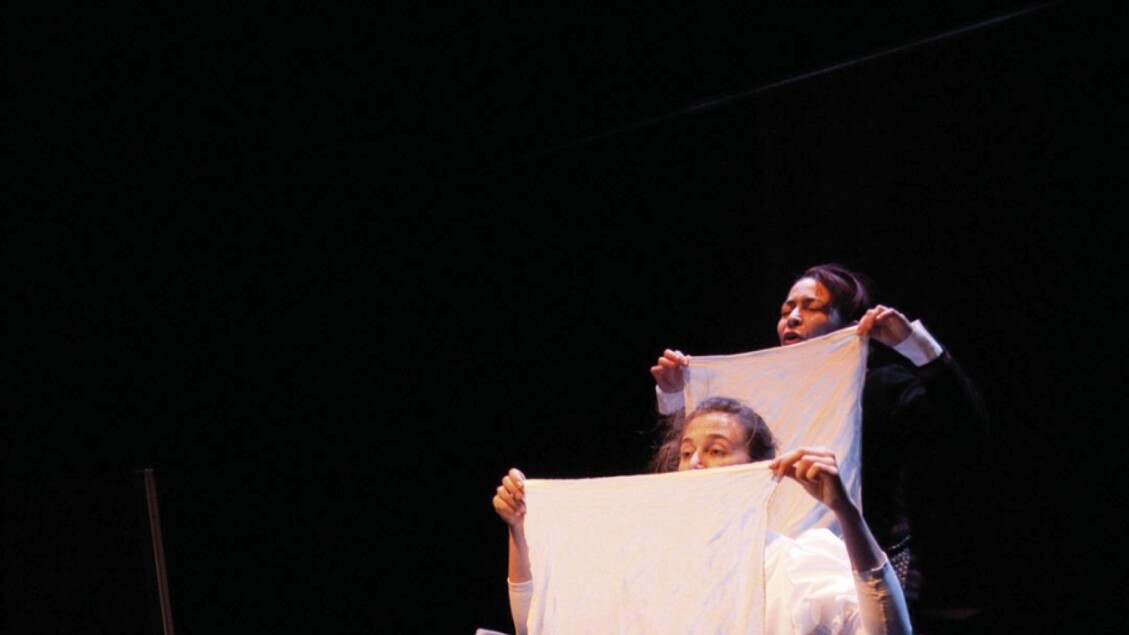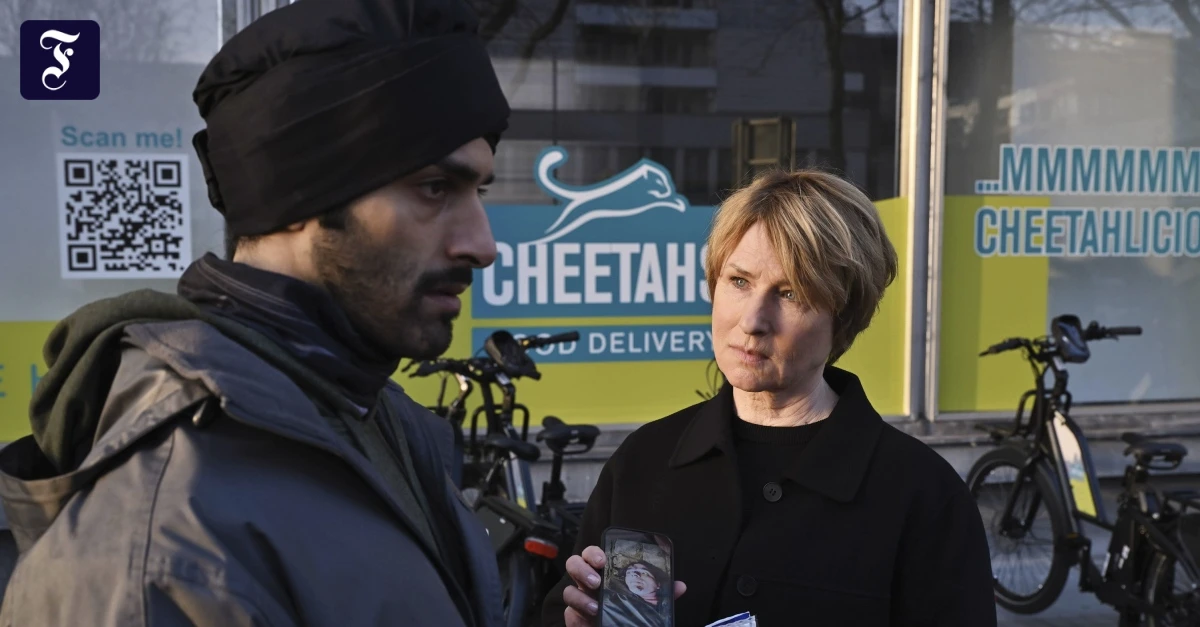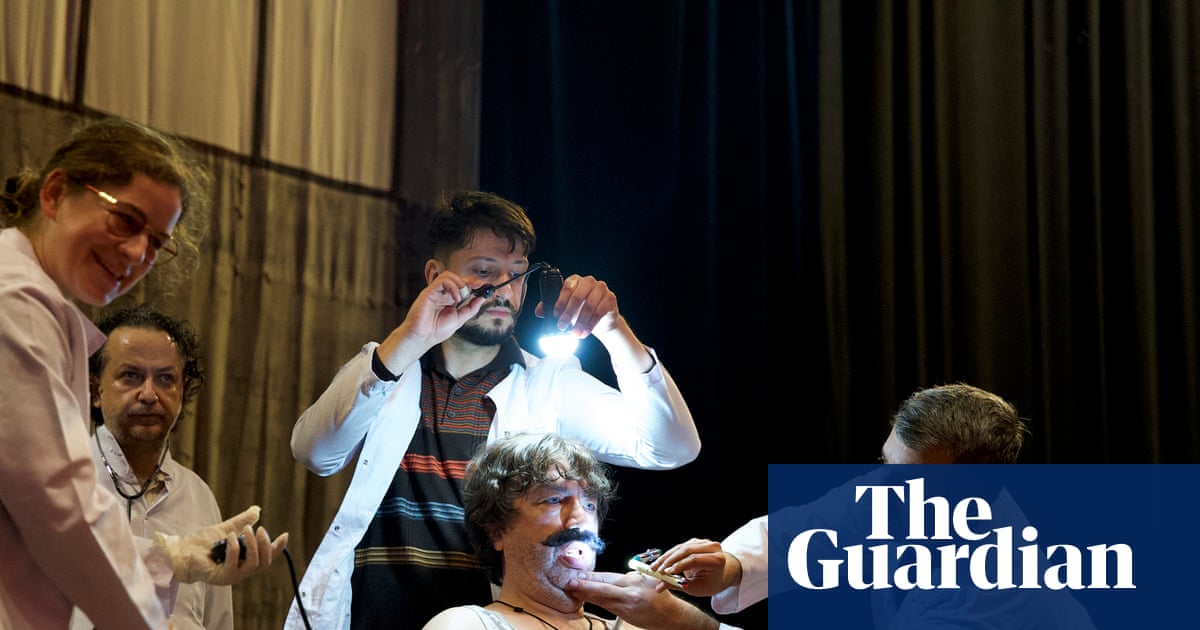
Docu-opera explores encounters and ethics of Günter Wallraff’s undercover work in 1980s, which he now describes as an existential necessity
F
ew people have done more to change the way postwar Germany looks at itself than Levent “Ali” Sigirlioğlu. A 1985 bestselling book detailing the inhumane working conditions and everyday racism that the 26-year-old Turkish migrant worker endured at Ruhr valley steel plants, asbestos-infested building sites and fast-food restaurants was the first to expose the dark underbelly of a booming postwar economic revival.
The only catch is that “Ali” was not a young Turk at all, but a then 43-year-old white German.
Günter Wallraff, a journalist famed for his deep-cover investigative journalism, had spent two years living as “guest worker” Ali, hiding his true identity at the workplace with a black wig and darkened contact lenses. “Of course I wasn’t a real Turk,” he wrote in a foreword to Ganz Unten (“Lowest of the Low”), “But sometimes you have to put on a mask to unmask a society.”