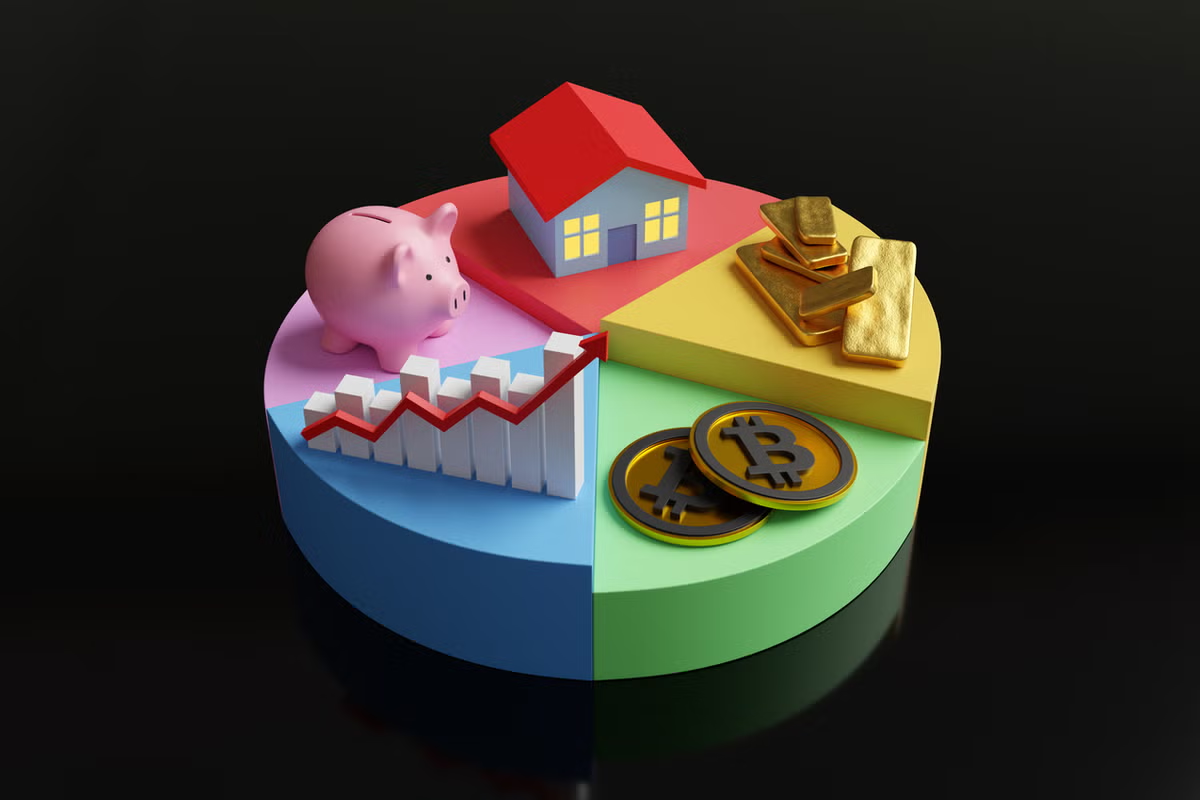
When you think about “investing,” the first things that probably come to mind are stocks, savings accounts or maybe even real estate.
But there’s a different financial mindset gaining traction, especially among Gen Zers, that focuses less on material assets and more on moments you’ll treasure for years to come. Behold: “memory investing.”
So what exactly does this approach entail and what should consumers know about it? Below, experts break down the benefits, downsides and best practices for implementing memory investing in your everyday life.
What is memory investing?
“Memory investing is about spending money on experiences that stick with you, like trips or family adventures, instead of always focusing on material things,” said Julie Guntrip, head of financial wellness at Jenius Bank. “It’s choosing to put your money toward moments that shape your life story and experiences you’ll remember years later, rather than material possessions that may lose their appeal over time.”