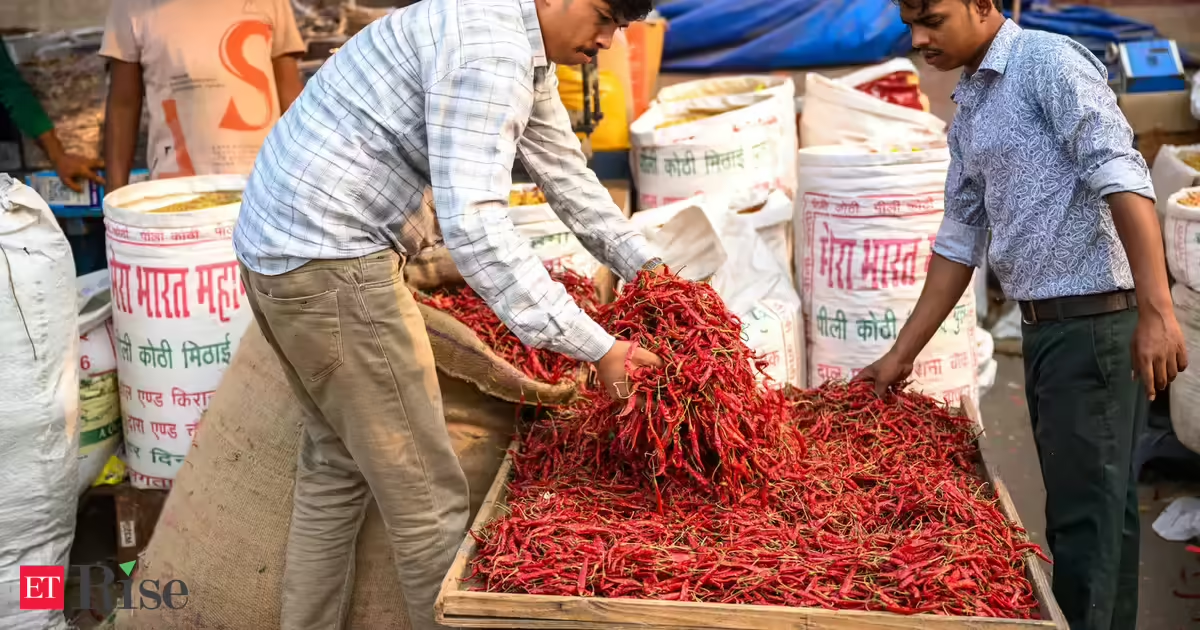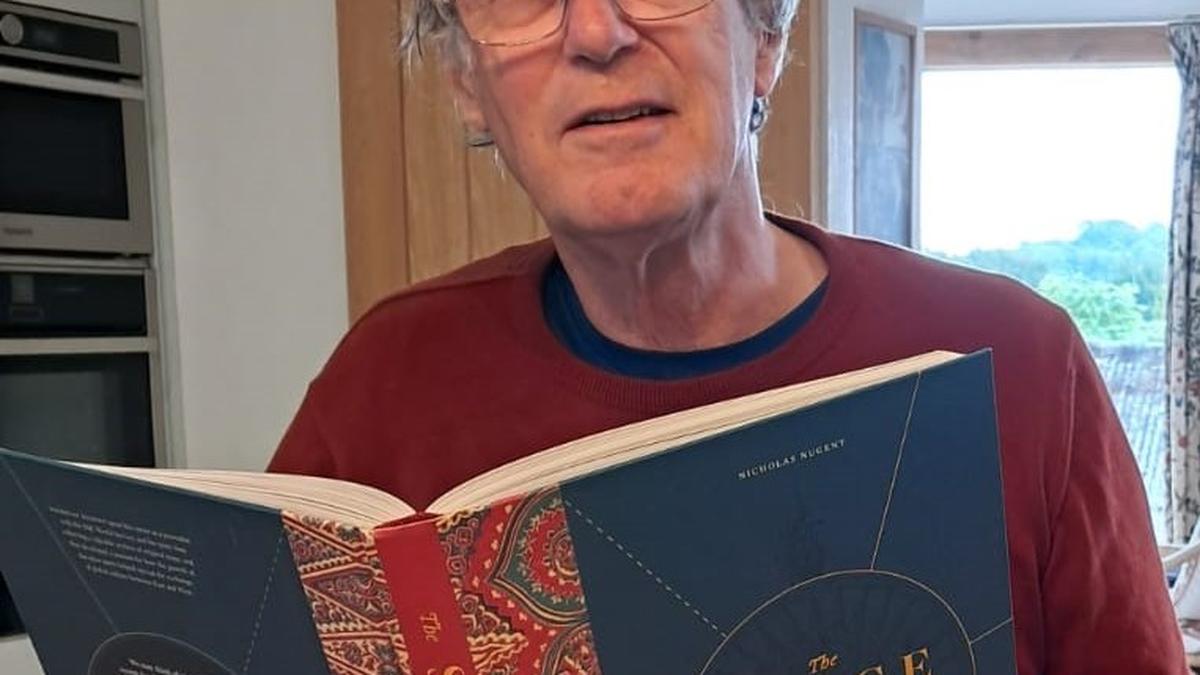
Journalists have an unending stream of stories to tell. Nicholas Nugent, who switched off his audio suite in the BBC as a broadcast journalist in 1999, continues to enthral listeners (in small conversations) and readers (of his seven books and the once-in-a-while newspaper column). Not with the “when-I-was-there” genre, however. In his elegant country house, overlooking farmlands and hills in Somerset, U.K., Mr. Nugent, author of The Spice Ports: Mapping the Origins of Global Spice Trade (2024), is at home with the world. As a foreign correspondent, he has reported from across Asia, is a regular visitor to India since the early days of Indira Gandhi’s premiership, and has authored Rajiv Gandhi: Son of a Dynasty (1990). And all along, he meticulously discerned the multiple impacts that arose from the spice age when the naval powers in Europe (where he hails from) were in competitive pursuit of these now ubiquitous flavouring agents in the Orient (where he worked as a foreign correspondent).
His 288-page book, with illustrations and ancient maps, published by the British Library in the U.K. and Brandeis University Press in the U.S., unravels the global impact of the spice trade. He also tells the stories of how this chase for zing gave to Mumbai and New York their present stature and provides a cameo featuring Madras. Two of his 10 chapters are on India’s west coast ports. The Malabar coast, he said, was one of the first places that the “Europeans latched onto as a source of oriental spices”. In an hour-long interview to The Hindu, Mr. Nugent connects the dots of how the several acts during the hunt for spices in the late-medieval period led up to the modern world. It all started with ancient mariners, the stars that guided them, map-making, and the monarchs who supported them. Excerpts: