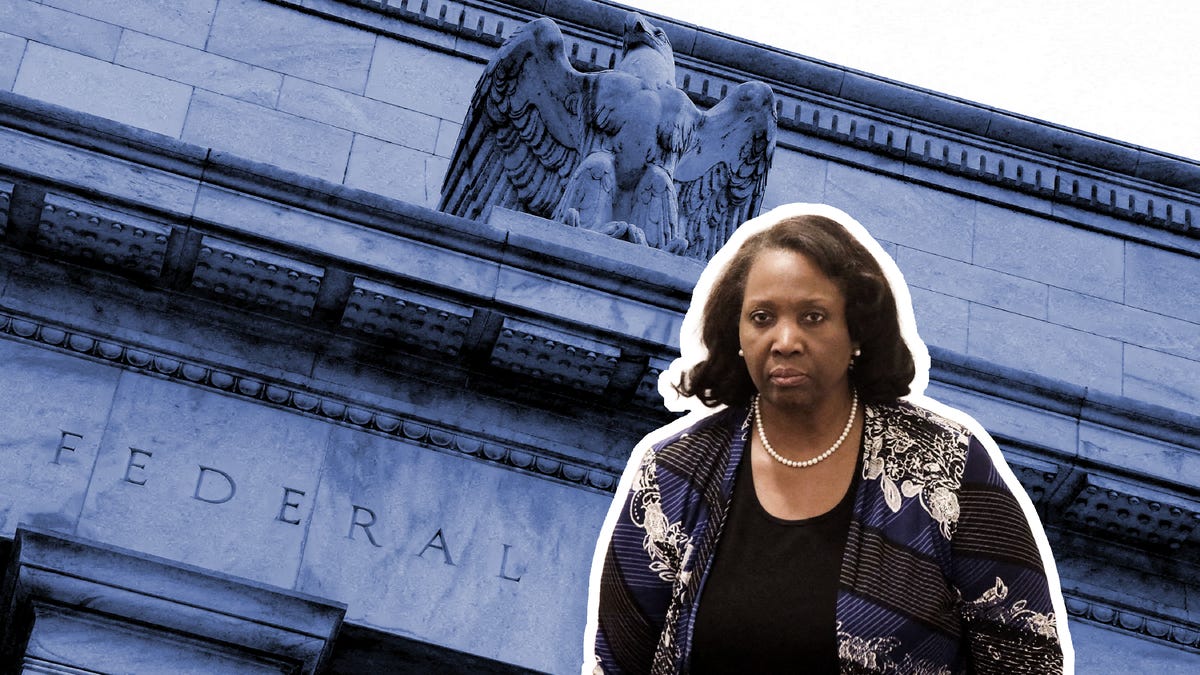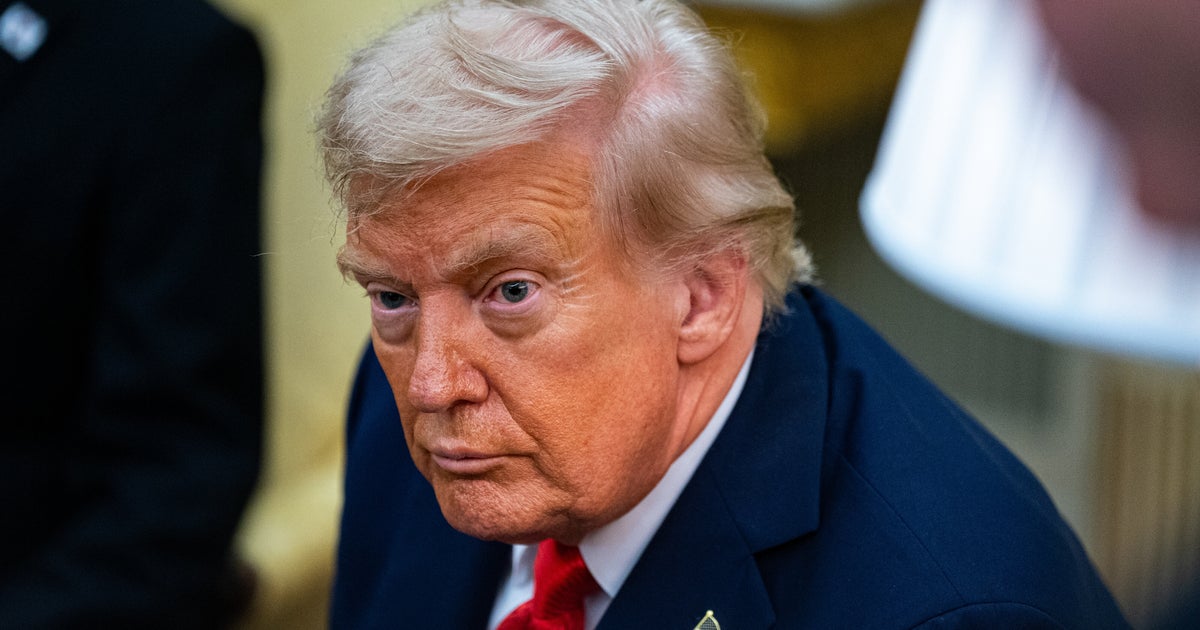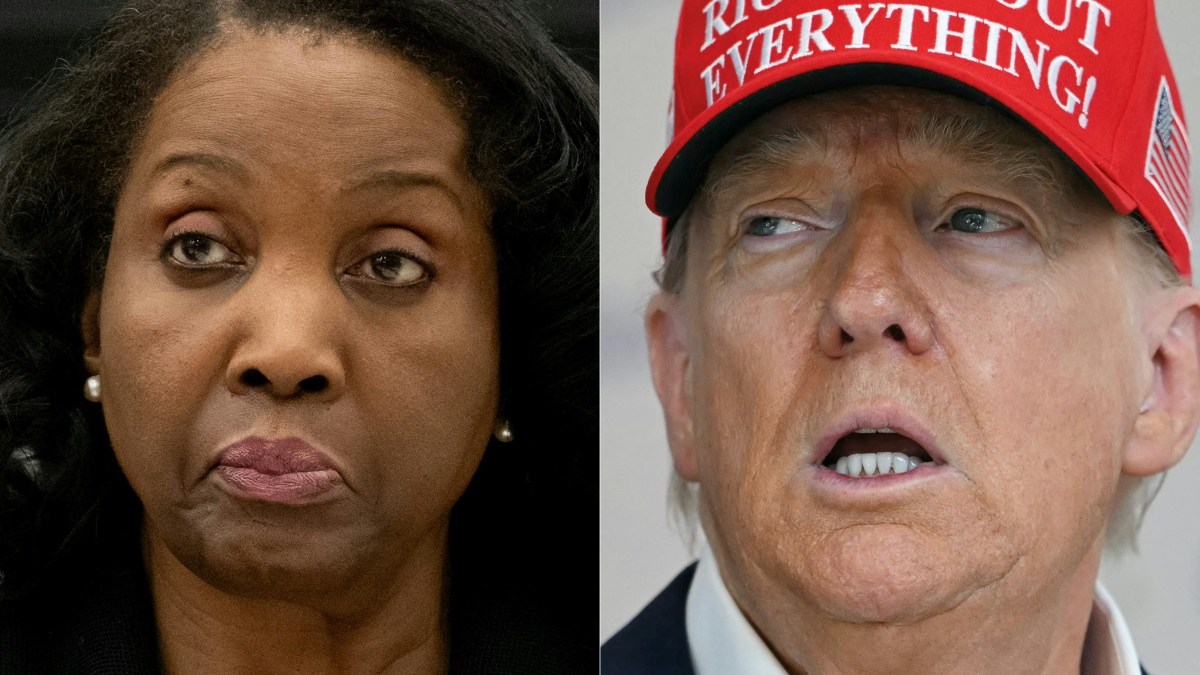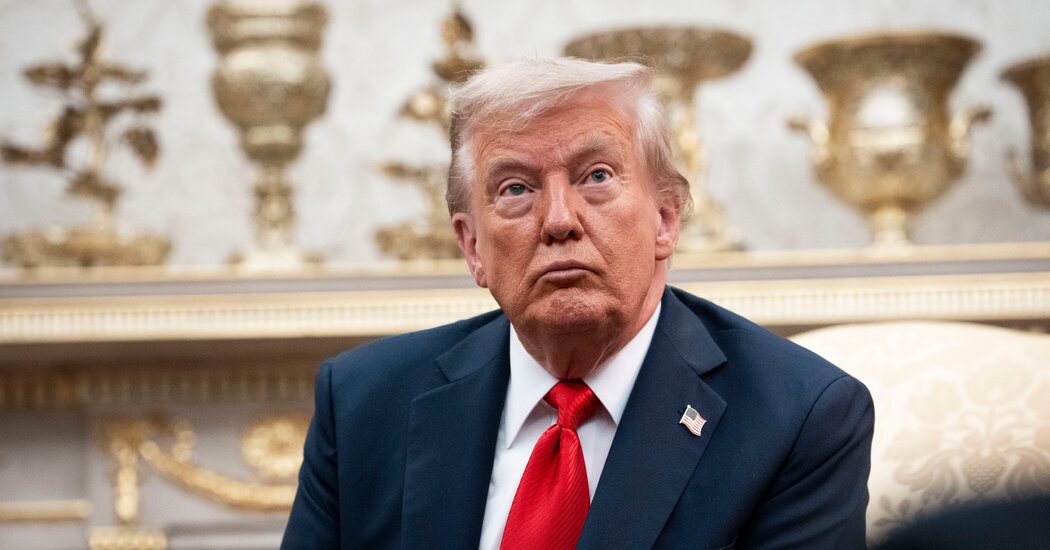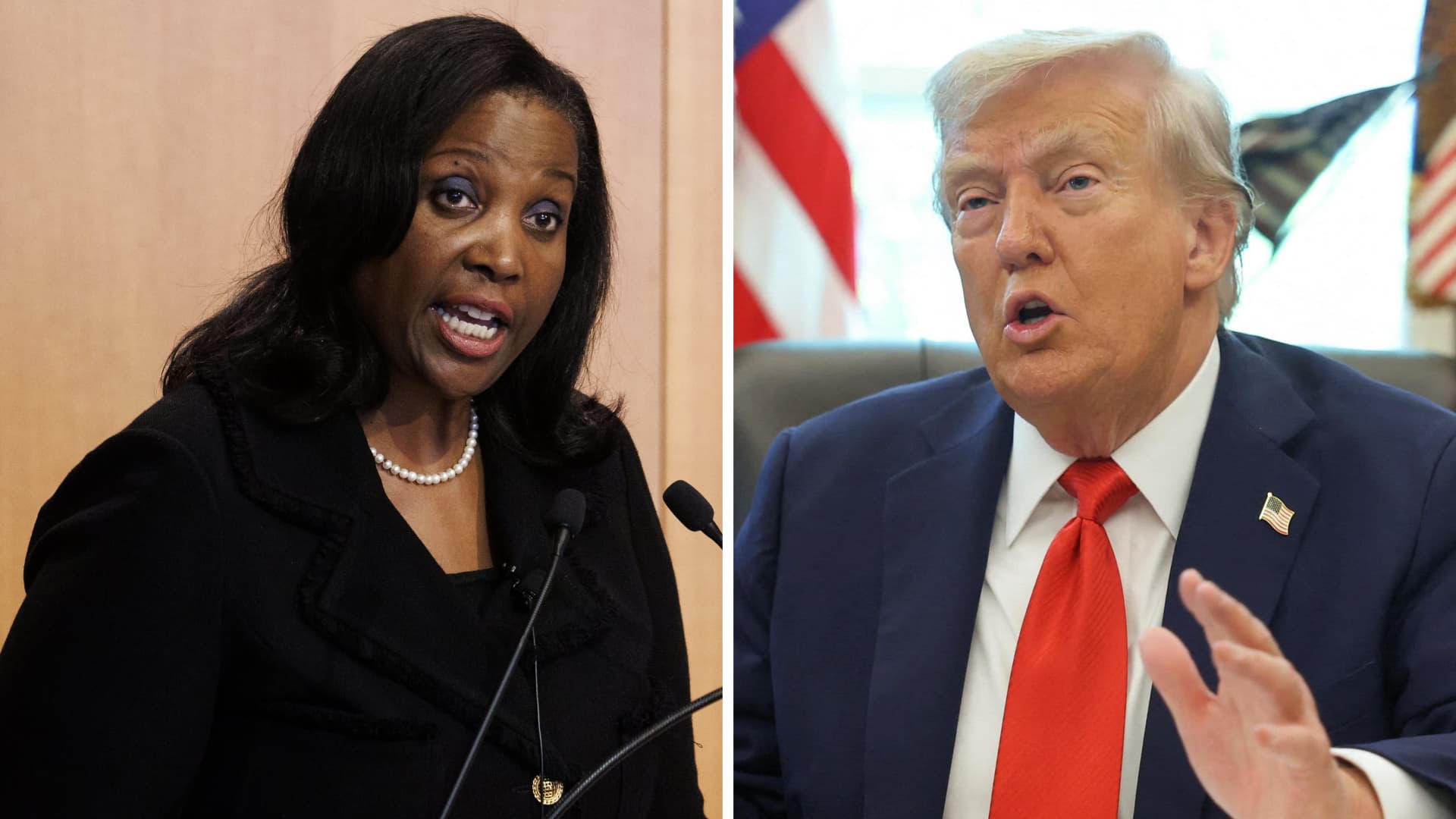
President Donald Trump sent shockwaves through global markets Monday night by saying he would fire Federal Reserve Board Governor Lisa Cook.
Trump’s decision not only put investors and economists on alert, but brought attention to the complicated innerworkings of the U.S. central bank. It also marks the latest escalation of Trump’s monthslong pressure campaign against the Fed, historically politically independent, to lower interest rates.
Here are the key facts to know:
The Federal Reserve manages monetary policy for the United States. Its dual mandate, set out in a 1977 act of Congress that amended the Federal Reserve Act, is to maximize full employment and ensure stable prices. Because the U.S. is home to the world’s largest economy, the 111-year-old central bank also helps set the economic tone for all other developed as well as emerging markets. The Fed also supervises and regulates banks and their financial activities through a series of examinations, stress testing and corrective actions, and attempts to identify and mitigate systemic risks.
A 12-person group within the Fed called the Federal Open Market Committee, or FOMC, sets the key overnight borrowing rate, currently set at 4.25% to 4.50%. The fed funds rate is the target interest rate that banks charge each other for overnight loans to meet their reserve requirements, and helps set the cost of home mortgages, car loans and credit card debt. The FOMC holds regularly scheduled meetings at least eight times a year.