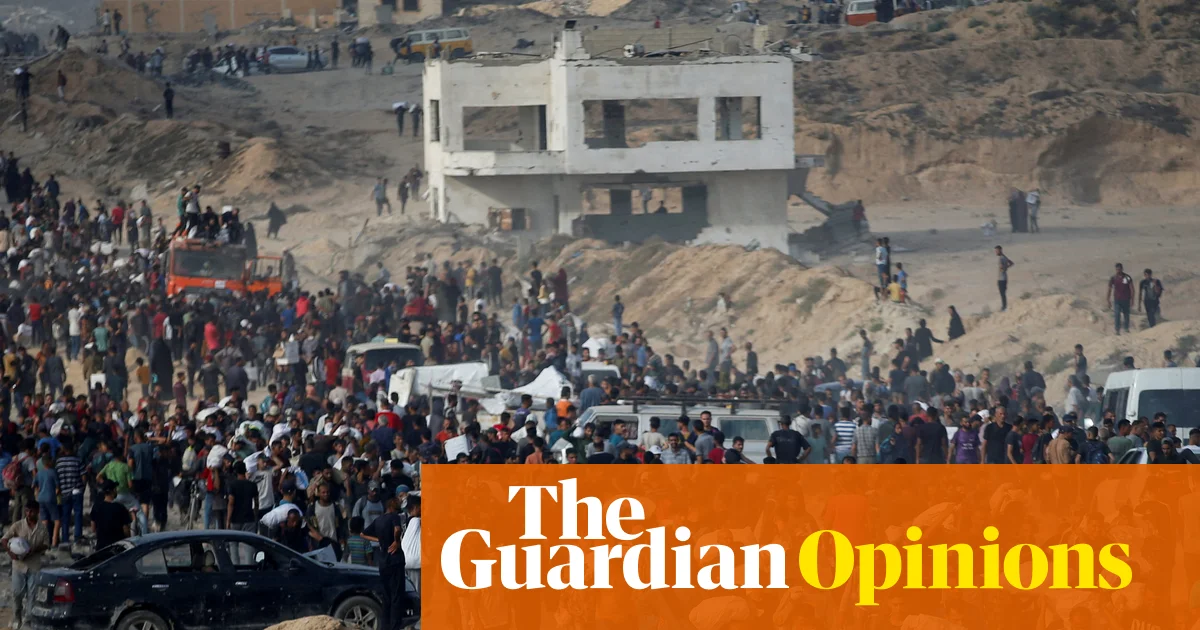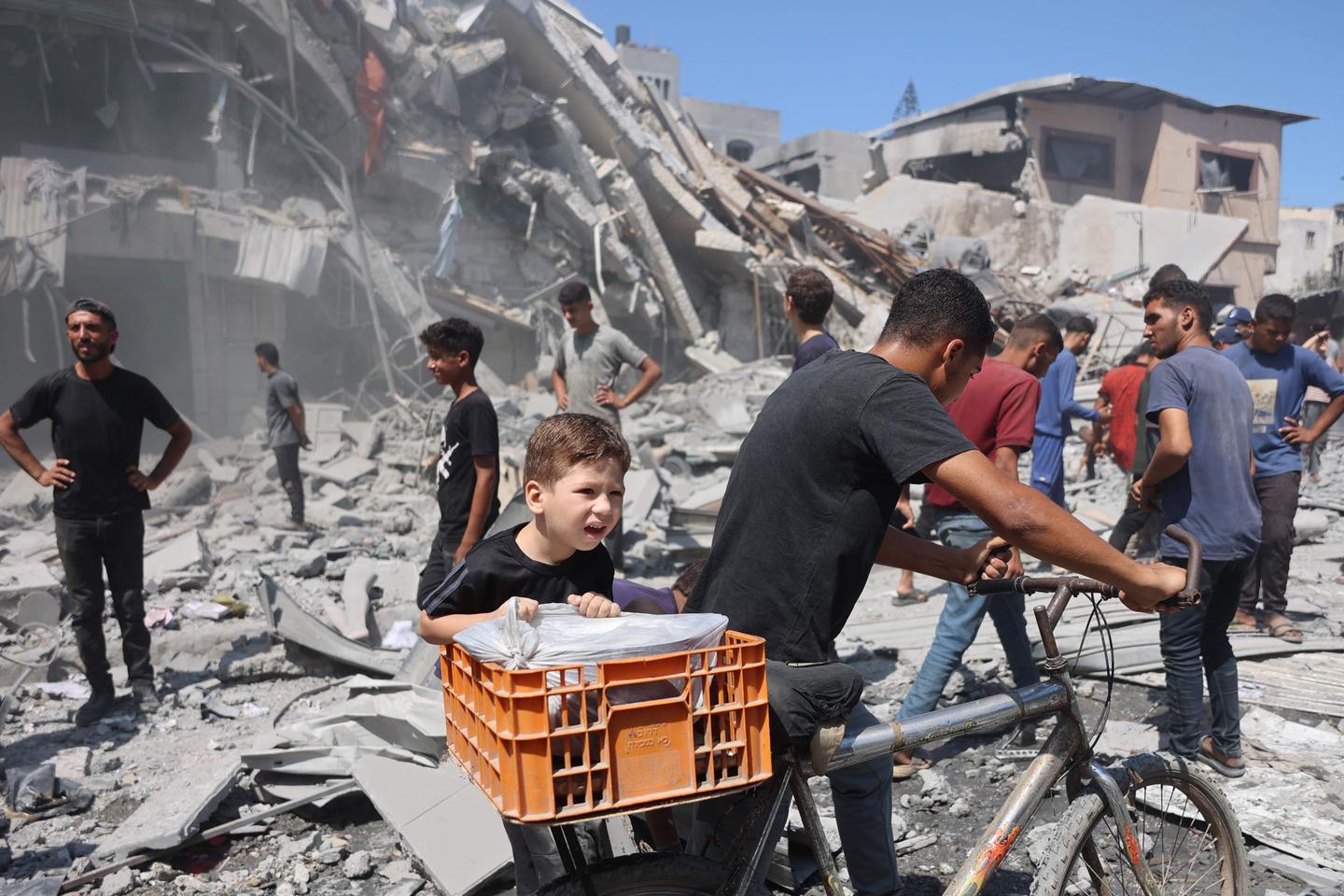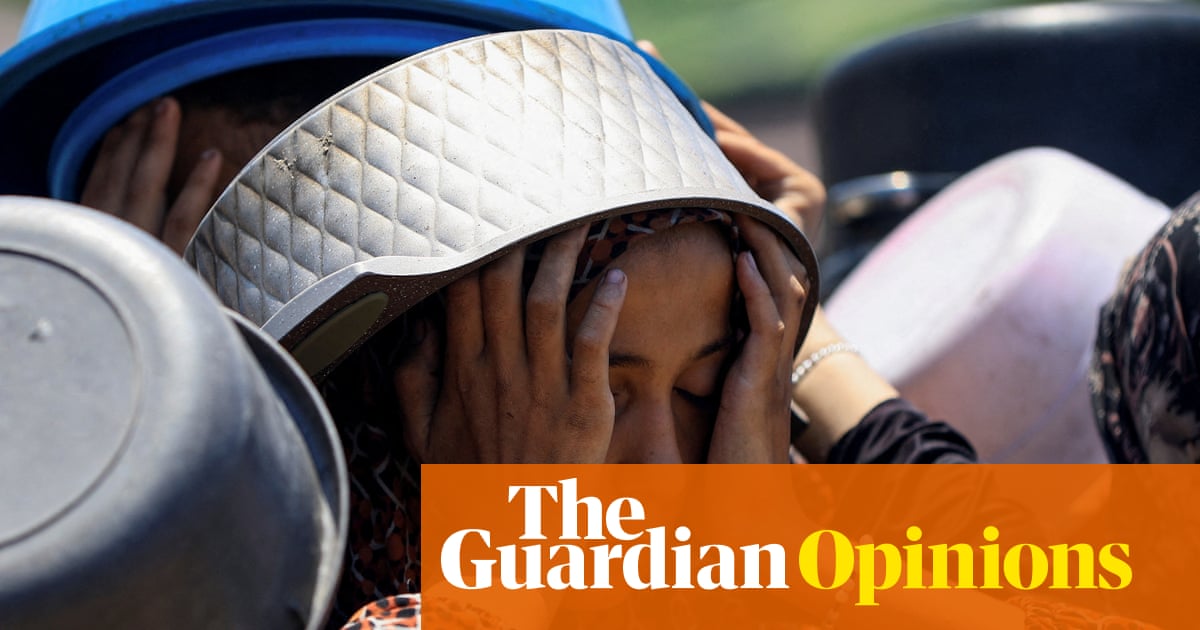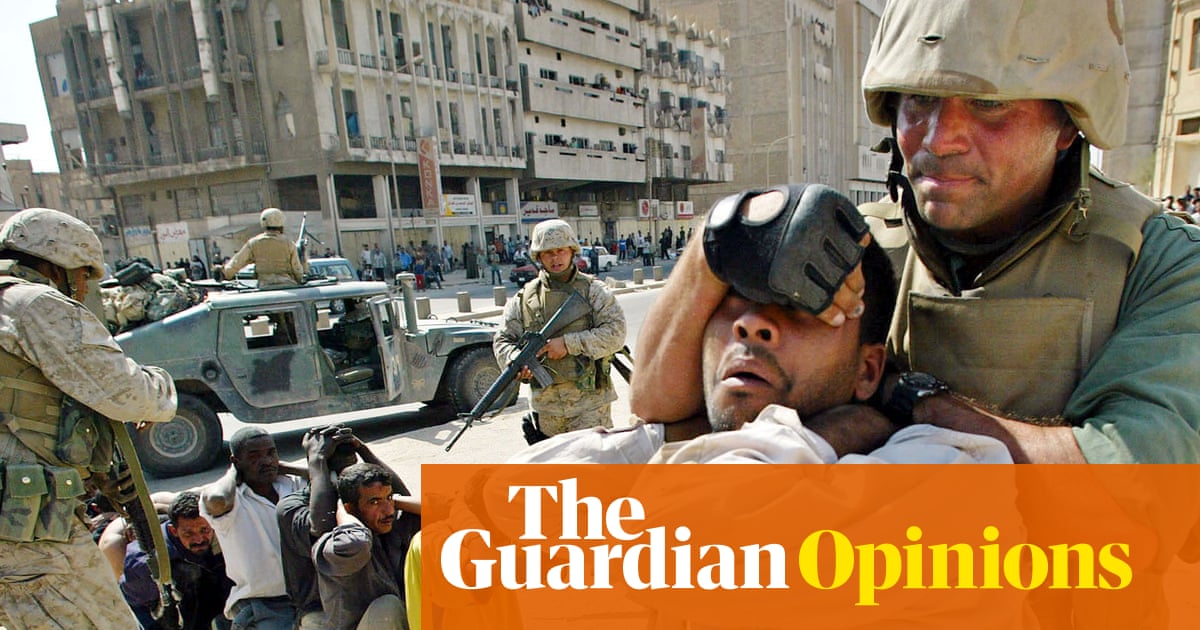
The west faced no reckoning for the death and destruction it wreaked in Iraq. That made the war crimes we’re now witnessing inevitable
“Y
ou destroyed Iraq.” I had to wait for my companion, the Iraqi journalist Ghaith Abdul-Ahad, to translate these words, but the thunderous look on this middle-aged man’s face already told its own story. We were standing on Haifa Street, one of Baghdad’s main thoroughfares, which runs along the west bank of the Tigris, and he had just been told I was British. “They promised that Iraq would be a heaven,” he said of the US-UK occupation. He then told a familiar tale: of being kidnapped by the sectarian militia, who flourished after the 2003 US-led invasion, and being tortured so badly that he could barely walk.
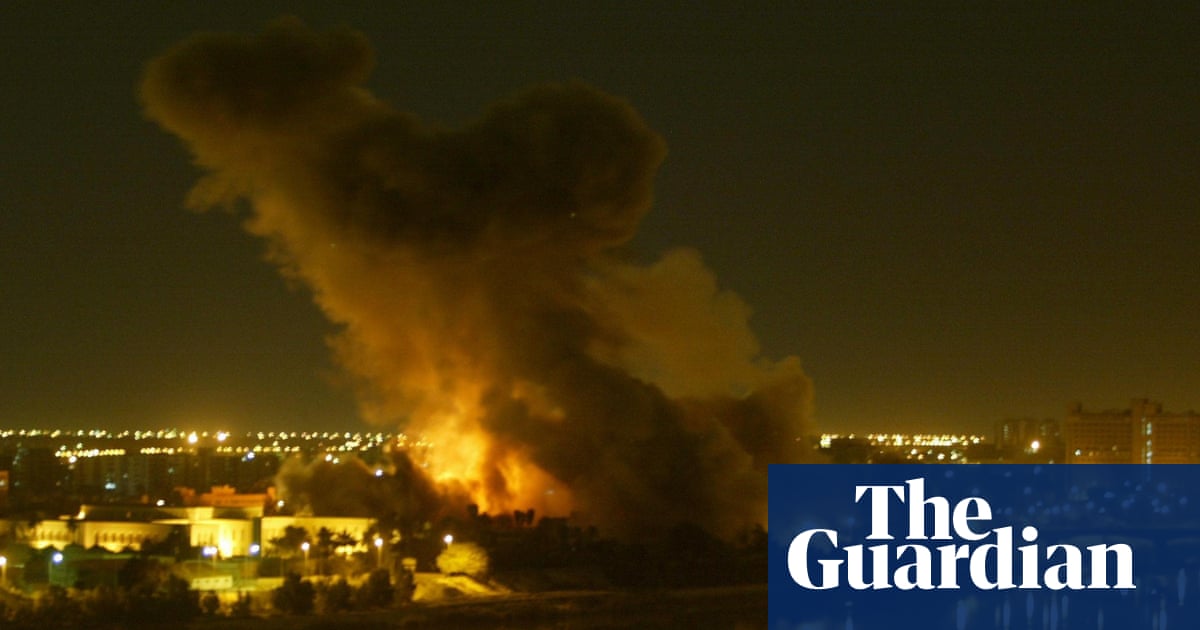
We had come to Haifa Street to retrace Abdul-Ahad’s steps on a gruesome day 21 years ago. With its alleyways and tall buildings, this two-mile-long road proved ideal for urban warfare and snipers, and soon became known as Death Street. Early on a Sunday morning in September 2004, Abdul-Ahad rushed from his hotel room after learning of an explosion. A crowd had gathered in the aftermath, civilians among them. Then two US helicopters fired missiles, scattering bodies and dismembered limbs. As he took photographs, men died before his eyes, while survivors begged him to “show the world the American democracy”.