(This article is part of the View From India newsletter curated by The Hindu’s foreign affairs experts. To get the newsletter in your inbox every Monday, subscribe here.)
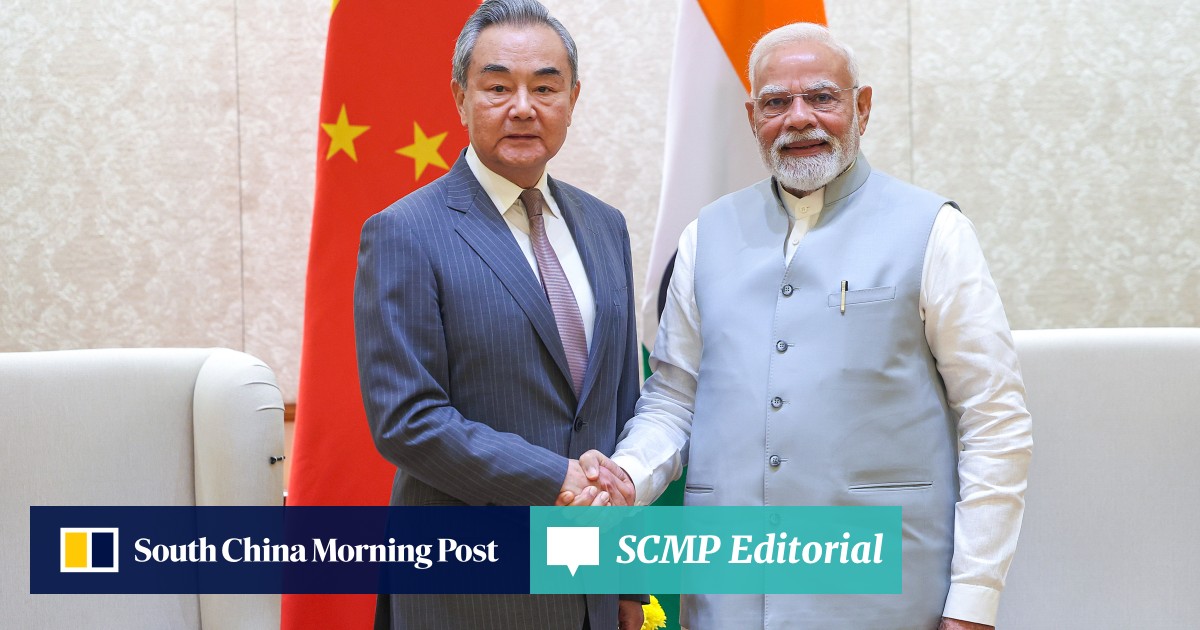
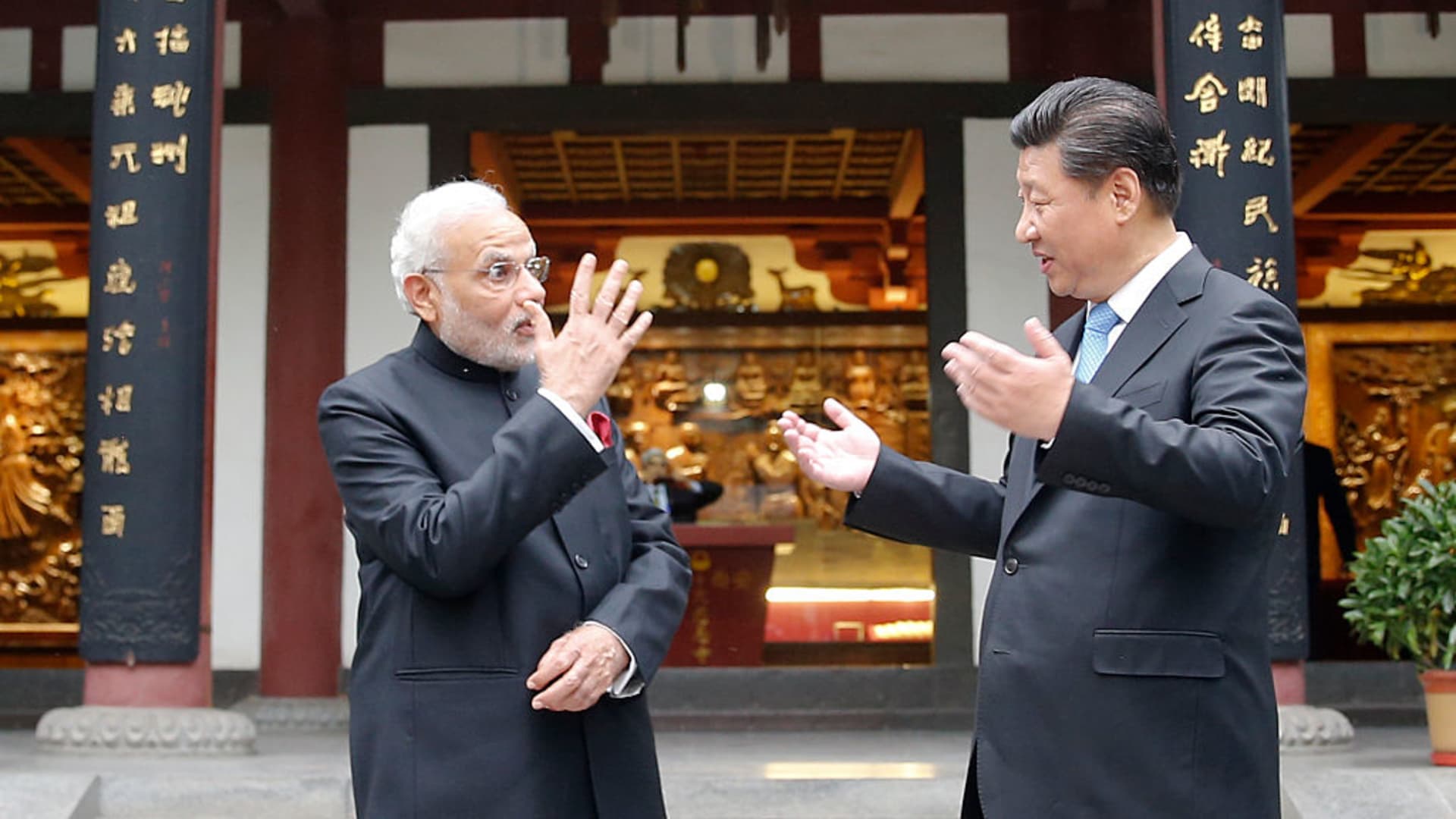
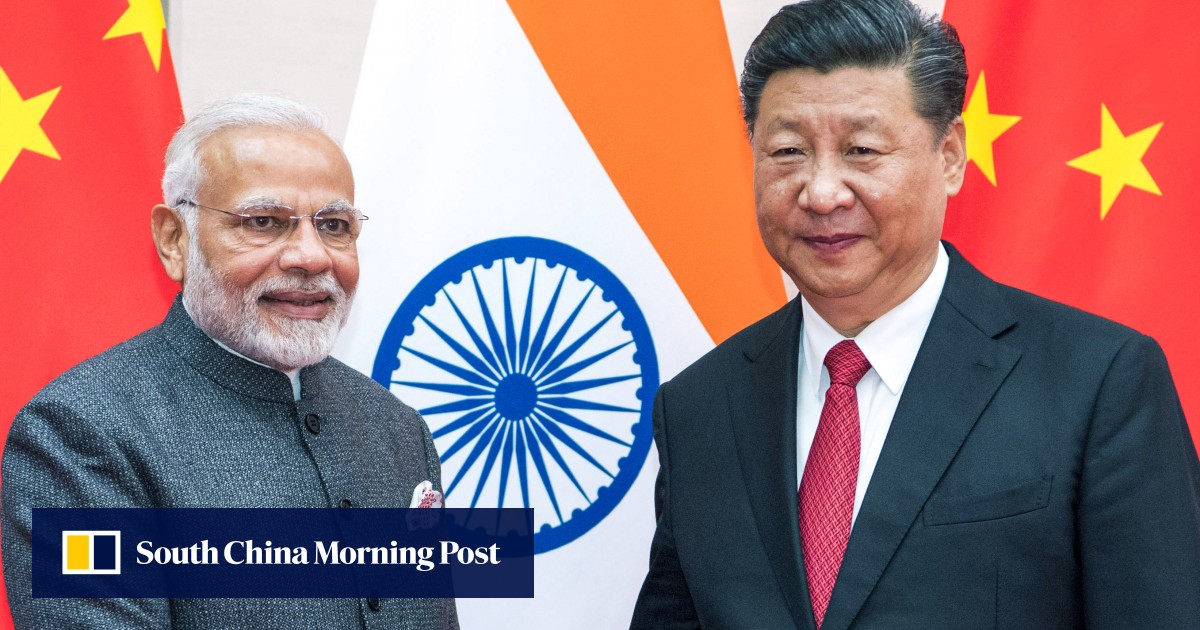
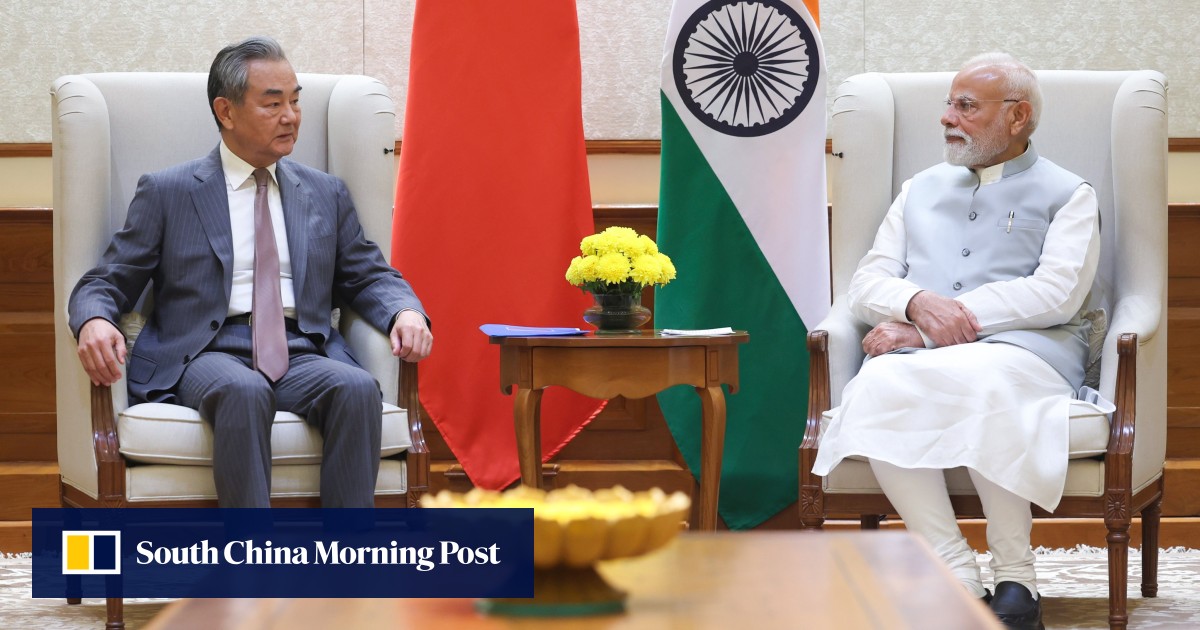
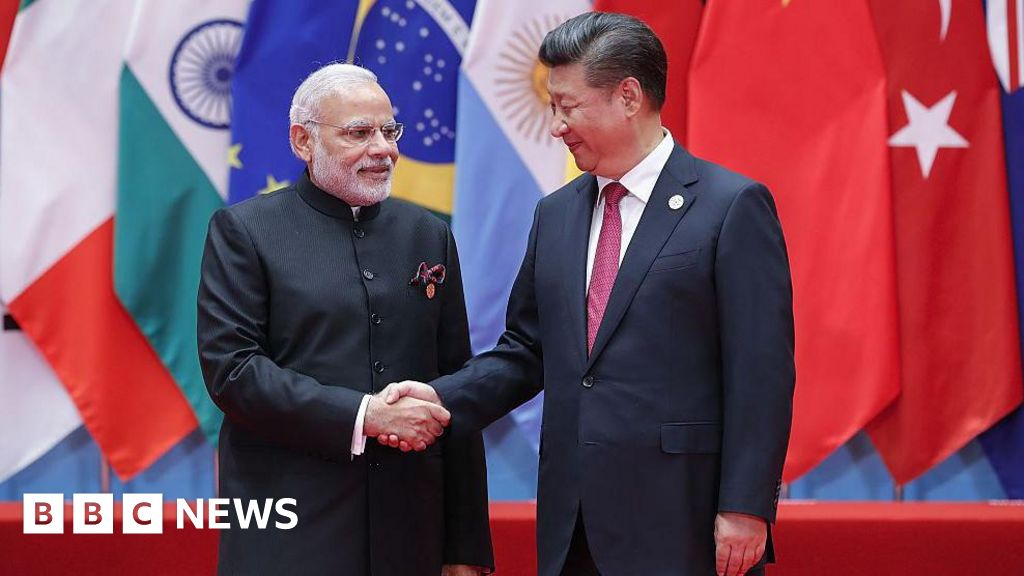
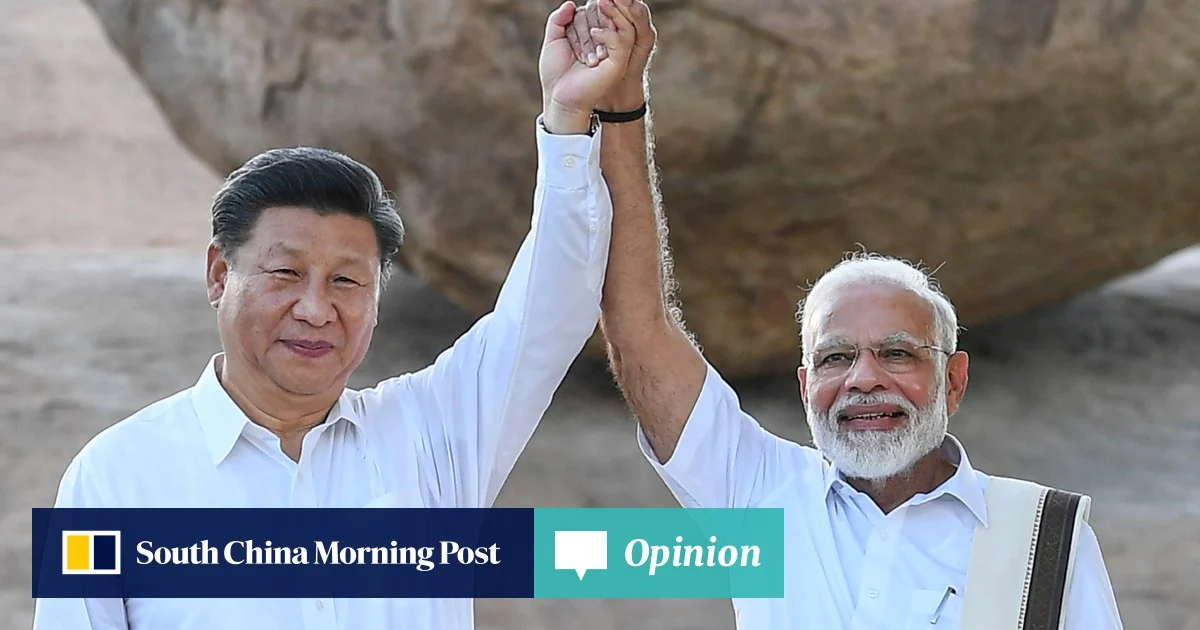
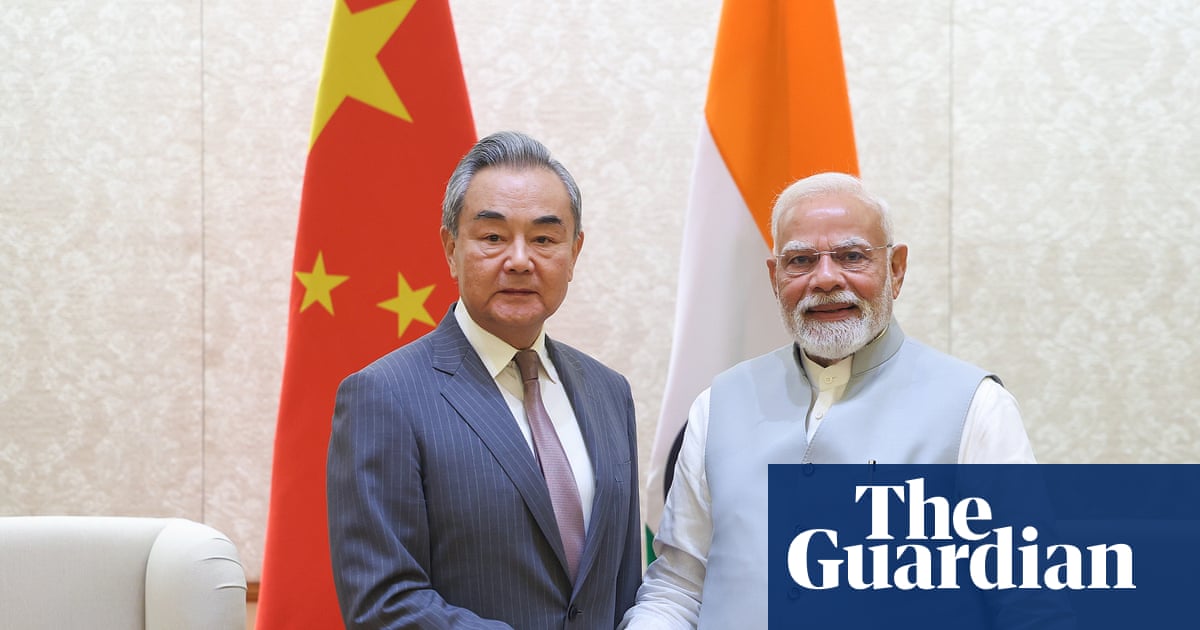
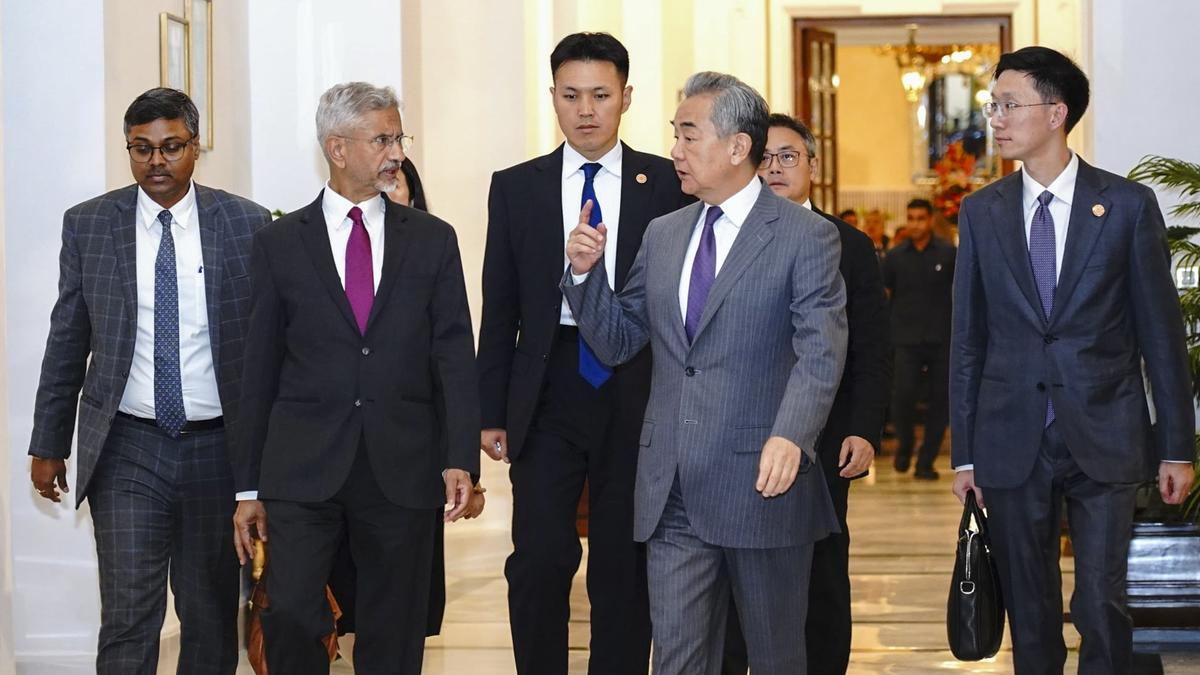
“The setbacks we experienced in the past few years were not in the interest of the people of our two countries,” said Wang Yi, China’s Foreign Minister, on August 19, after meeting Prime Minister Narendra Modi on August 19. “We are heartened to see the stability that is now restored in the borders,” Mr. Wang added, summing up the core message of his two-day visit. The visit was significant for several reasons. Both sides showed a willingness to downplay the boundary dispute and take steps towards strengthening overall bilateral relations, which hit the lowest point in decades following the 2020 Galwan clashes. India and China also announced a slew of tangible measures to improve ties, including resuming border trade at three points, restarting direct flights, expanding Kailash Manasarovar slots for pilgrims and relaxing visas. India wants China to ease export restrictions on rare earths, fertilizers and some machinery, while Beijing wants New Delhi to relax the scrutiny of Chinese investments—such discussions, along with the boundary question, will continue. Another significant development is Prime Minister Modi’s upcoming visit to Tianjin to attend the Shanghai Cooperation Organisation (SCO) meeting, where he would meet Chinese President Xi Jinping.