An authoritarian crackdown on mass demonstrations in an EU candidate country requires a stronger response from Brussels
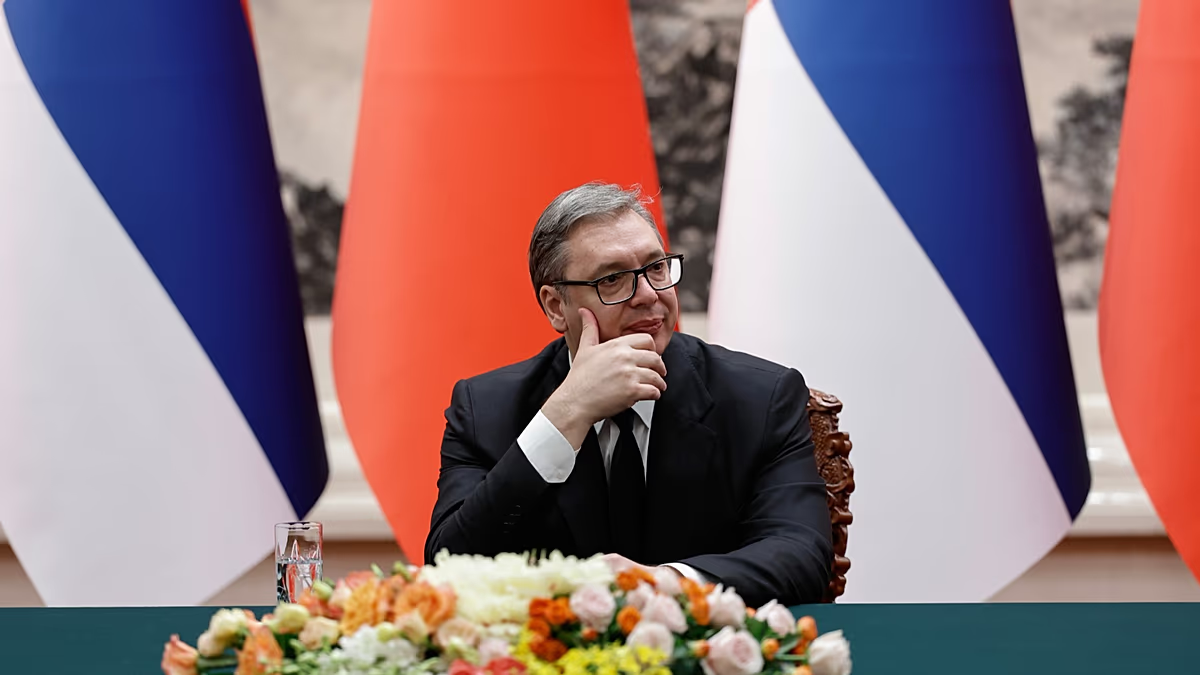
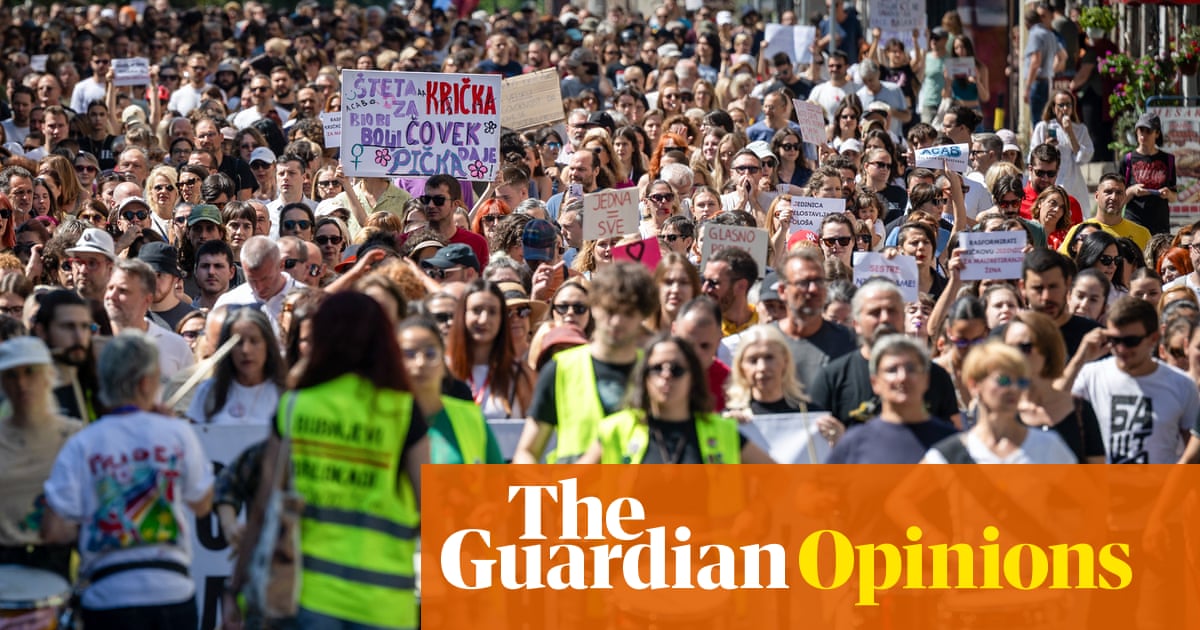
uring a summer in which European leaders have focused on shuttle diplomacy with Donald Trump over trade and Ukraine, they have maintained a discreet silence regarding another crisis in Europe’s east. For more than nine months, mass student-led protests in Serbia have been challenging the authoritarian rule of Aleksandar Vučić, who has been in office as prime minister and president for 11 years. Up to now, Brussels has largely opted to look away.
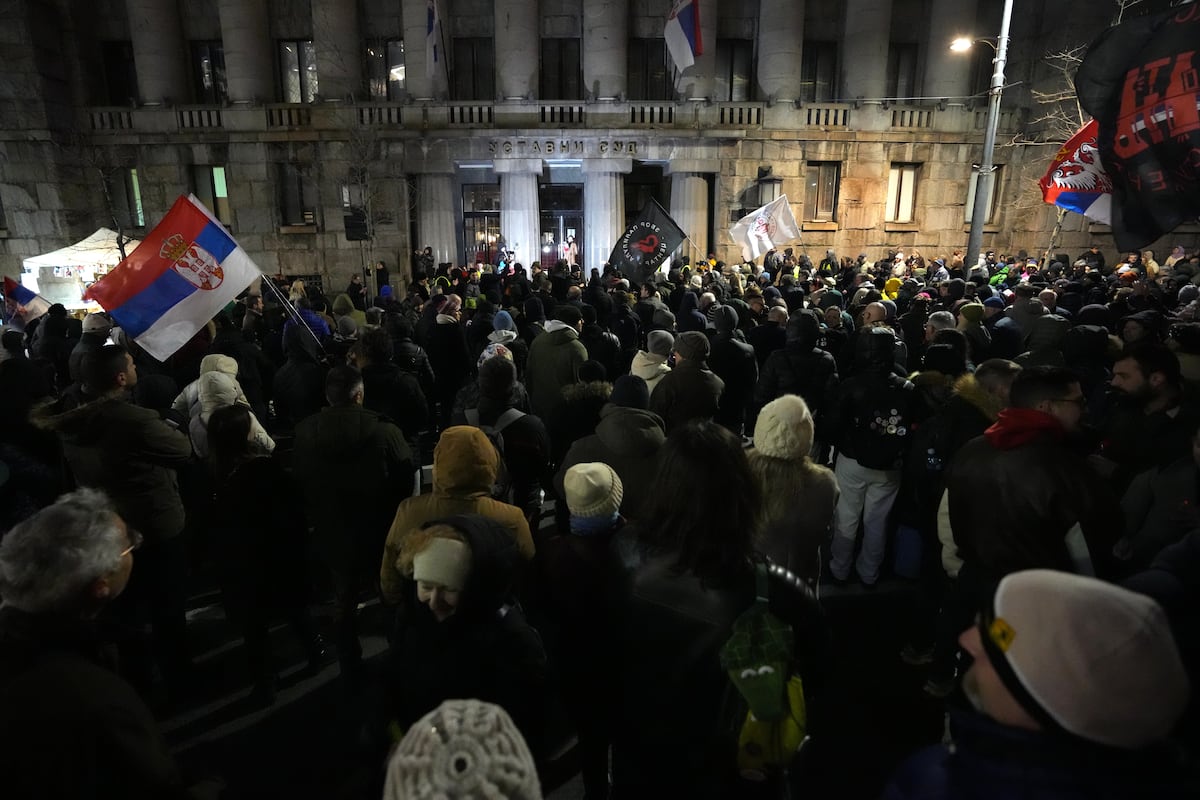
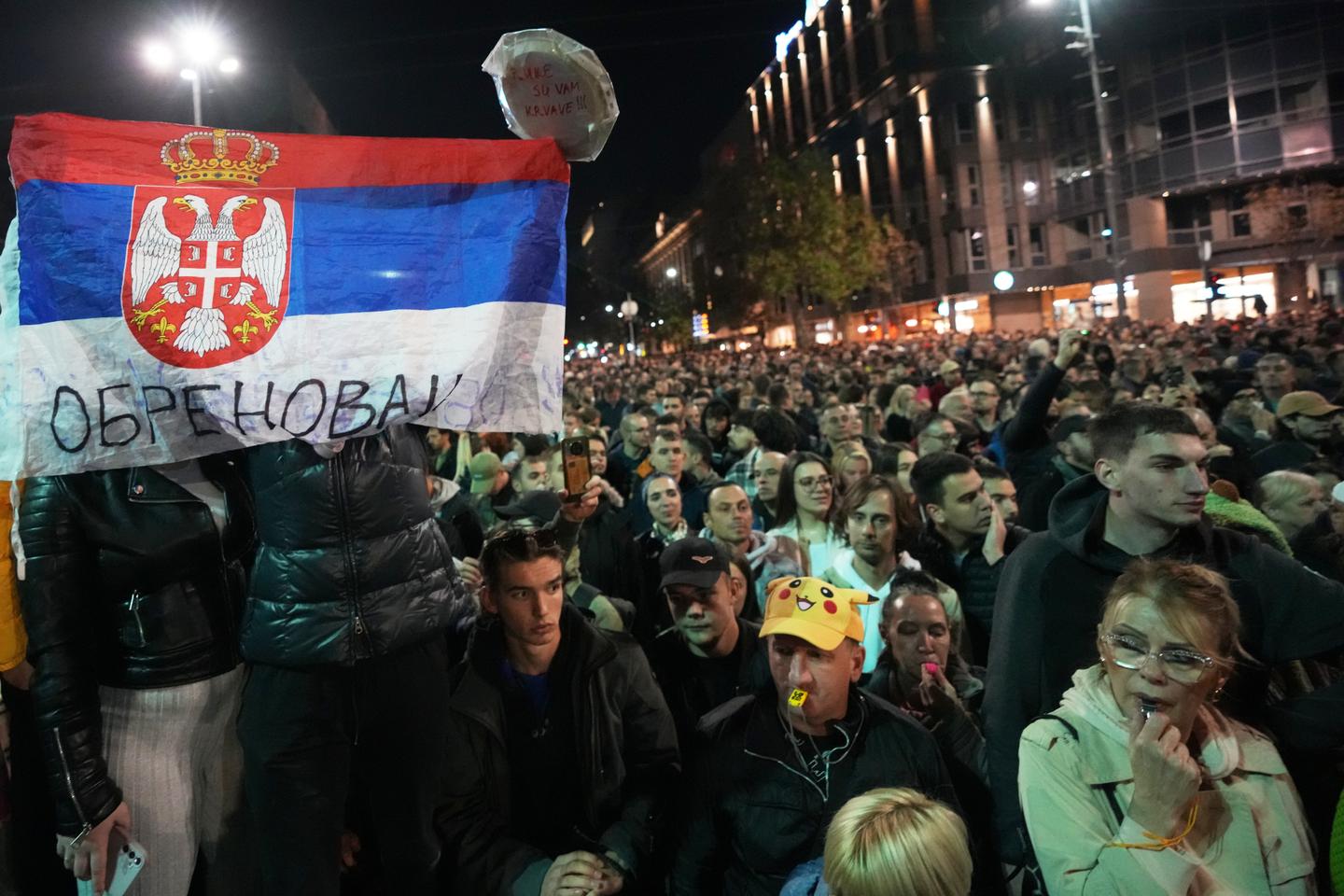
The catalyst for some of the largest demonstrations in Serbia’s history was the collapse of a newly renovated railway station roof in the country’s second city, Novi Sad, leading to the deaths of 16 people. The disaster was widely attributed to entrenched fraud and corruption presided over by Mr Vučić’s ruling Serbian Progressive party, and swiftly became the spark for a movement for democratic reform. The students are demanding early elections and a new era of transparency and accountability, in what remains an EU candidate country.
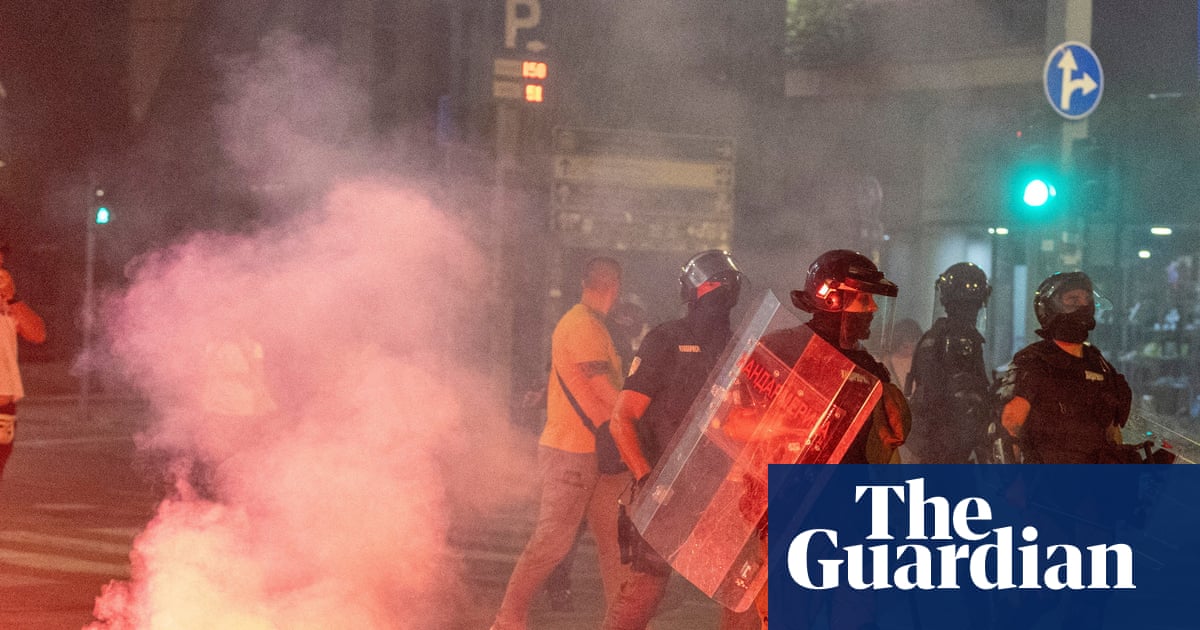
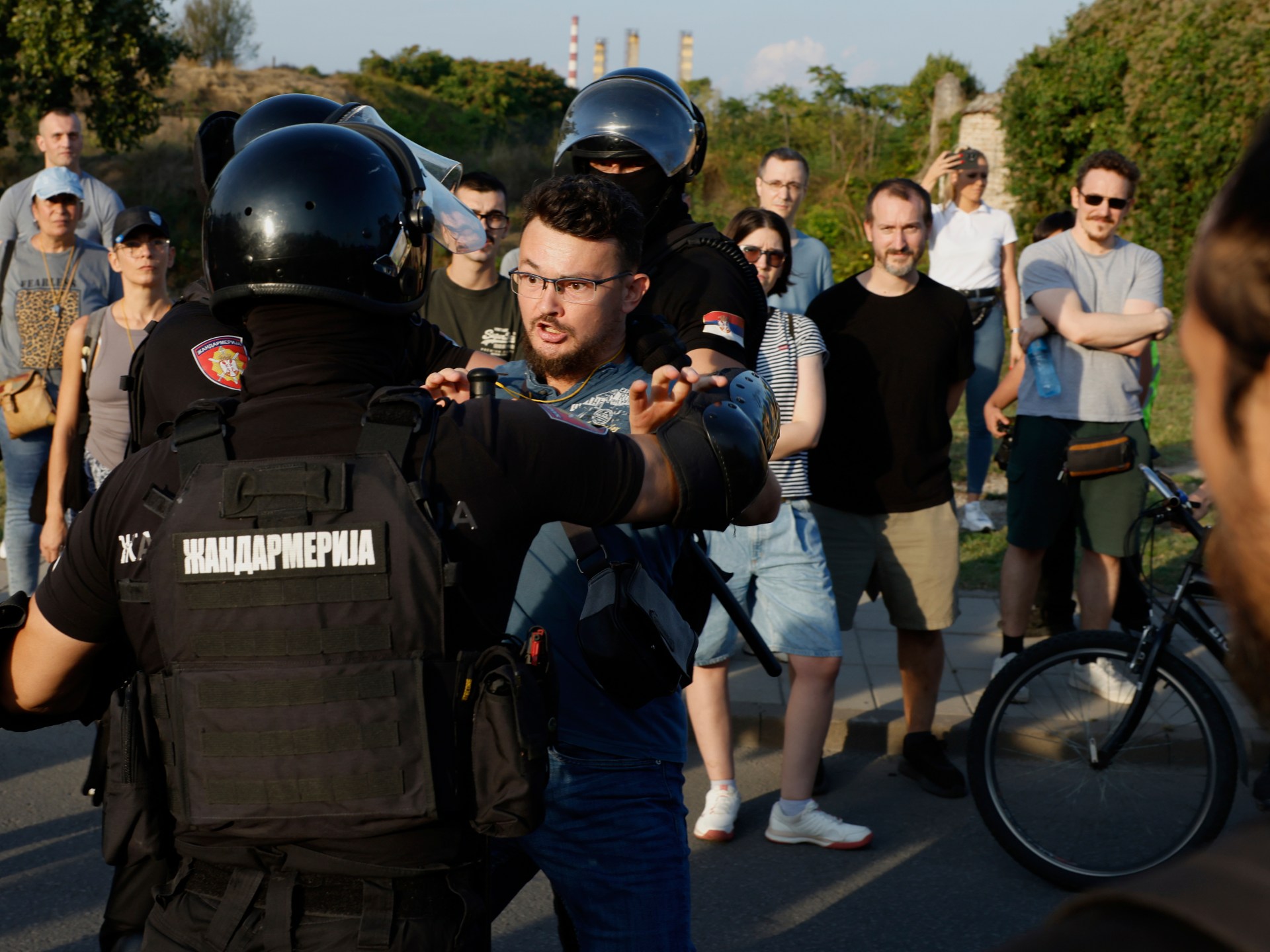
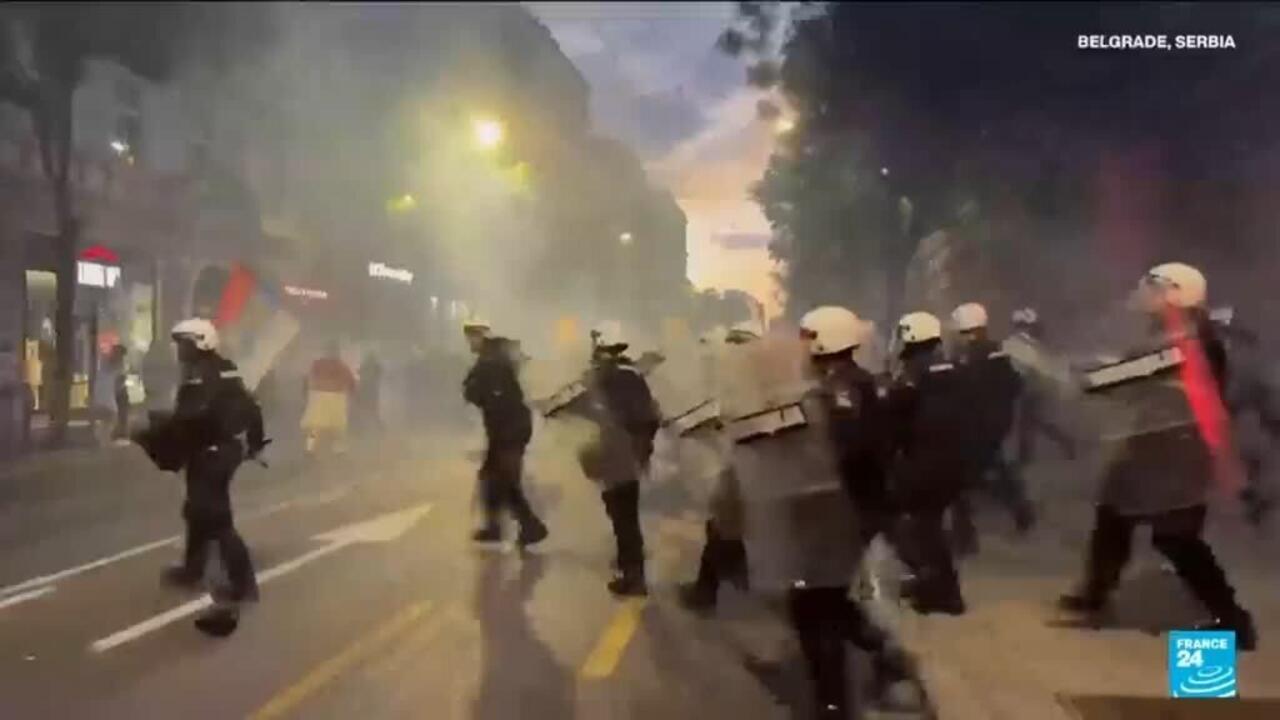
As anger and frustration in the streets has mounted, Mr Vučić’s response has become increasingly draconian. Groundlessly claiming that foreign agitators were seeking an “imported revolution”, the president launched a ruthless crackdown on civil society groups in receipt of foreign funds. On the streets, orchestrated mobs this month attacked protesters and reportedly looted businesses owned by opponents of Mr Vučić. There have been widespread reports of police brutality. Amid the spiral of violence, one recent anti-government demonstration in Belgrade took place under the slogan “Let’s show them we’re not a punchbag”.