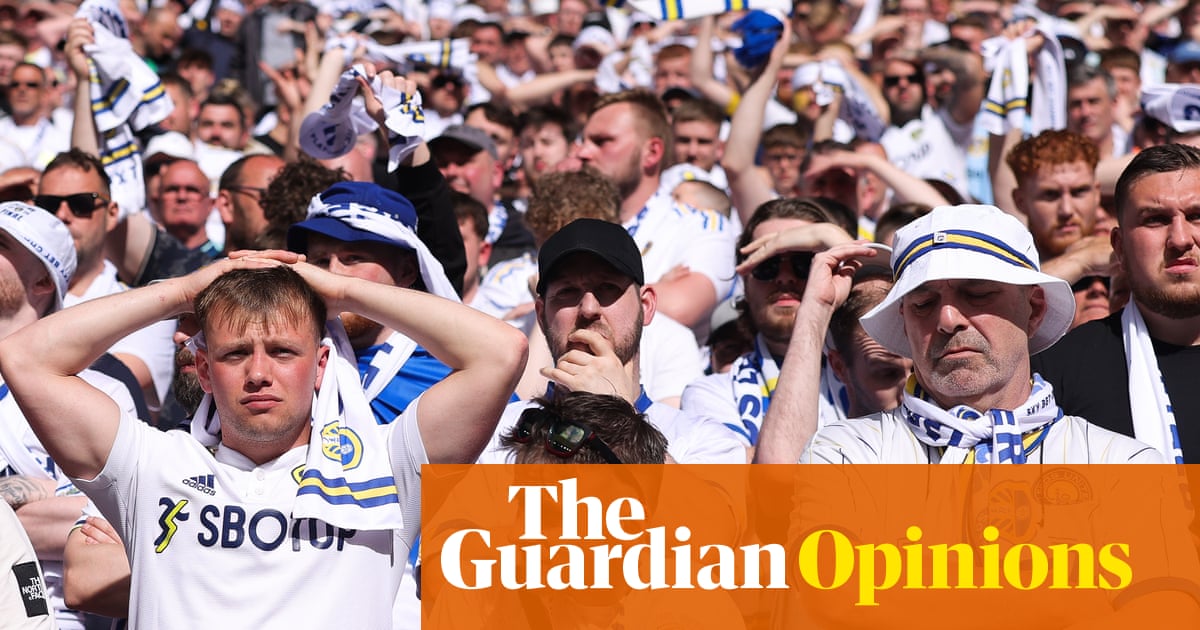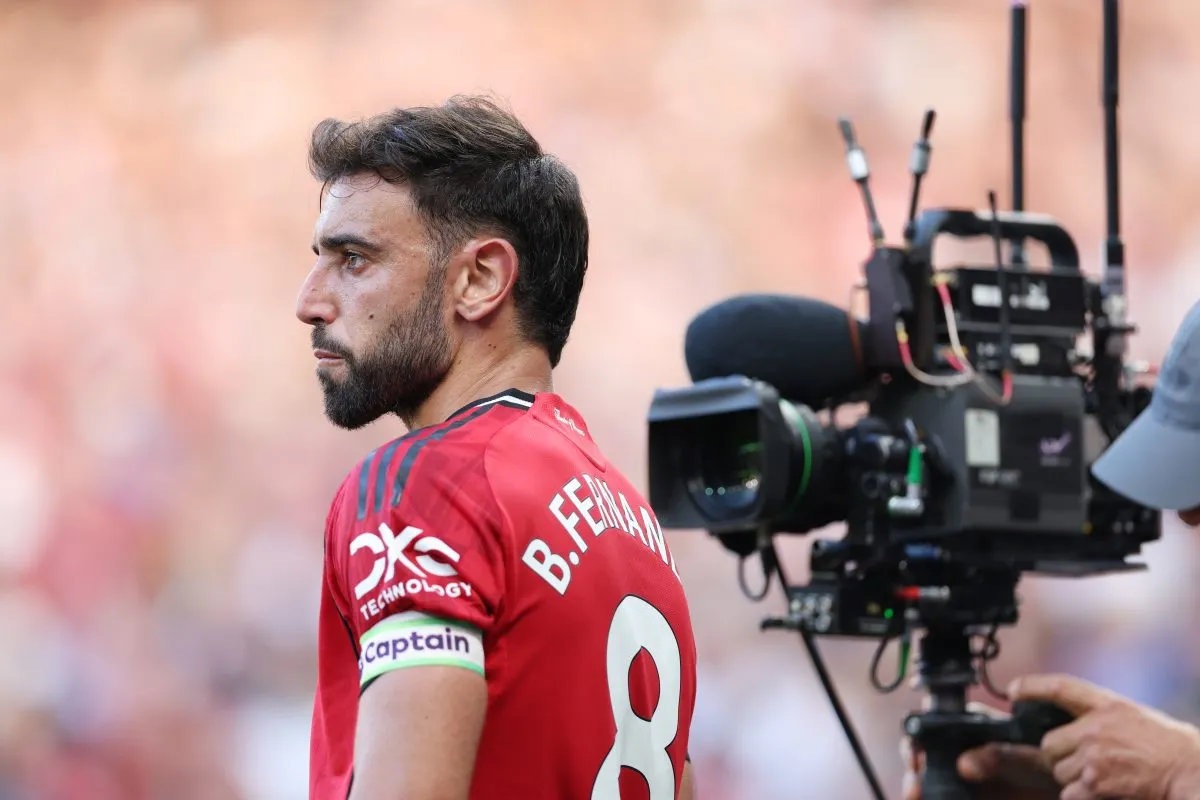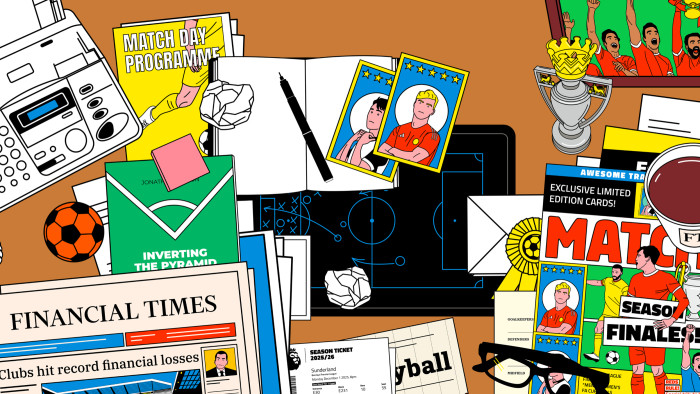
Owners and directors are fast becoming the stars in a sport increasingly obsessed by storylines other than actual football
Football has become the country’s soap opera. It’s a point David Goldblatt makes in his new book Injury Time: it seems absurd to think now that in 2001, the BBC persuaded Uefa to delay kick-off of a Champions League tie between Liverpool and Barcelona so viewers could first find out who shot Phil Mitchell. By 2020, EastEnders was being bumped from its slot in the schedules for an FA Cup fifth-round tie between Liverpool and Chelsea. As the big television soaps have declined, it is football that has become the great national obsession, not just in terms of what happens on the pitch but also the endless politicking off it.
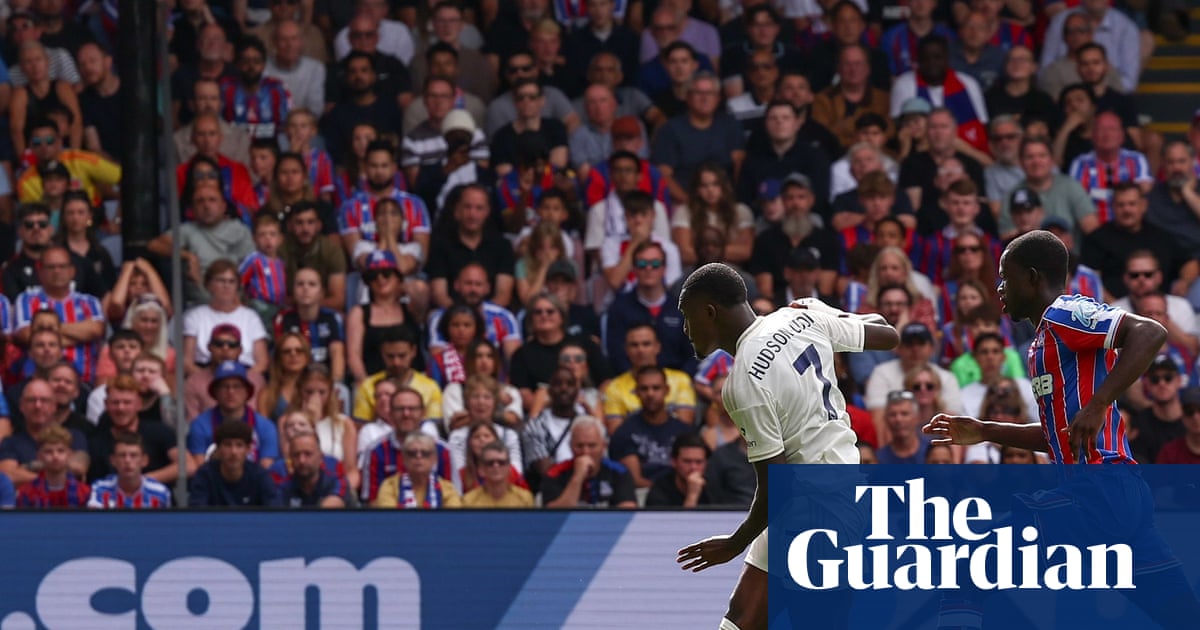
Nothing could exemplify that better than Sunday’s game at Selhurst Park, a curiously patchy and unsatisfactory draw played out in an atmosphere of fraught tetchiness. Crystal Palace and Nottingham Forest are two very respectable clubs with fine traditions, but there is no great history between them.
If a Palace v Forest fixture resonates at all in the collective memory it is only for the series of FA Cup third-round meetings in 1991: it was after the first replay that Brian Clough laid out Roy Keane with a punch after an under hit backpass gave up an equaliser, and in the second, with Forest 3-0 up, that Clough substituted Steve Hodge for nobody, apparently to make a point about the ineffectiveness of Palace’s direct style, although it also damaged his relationship with the midfielder.